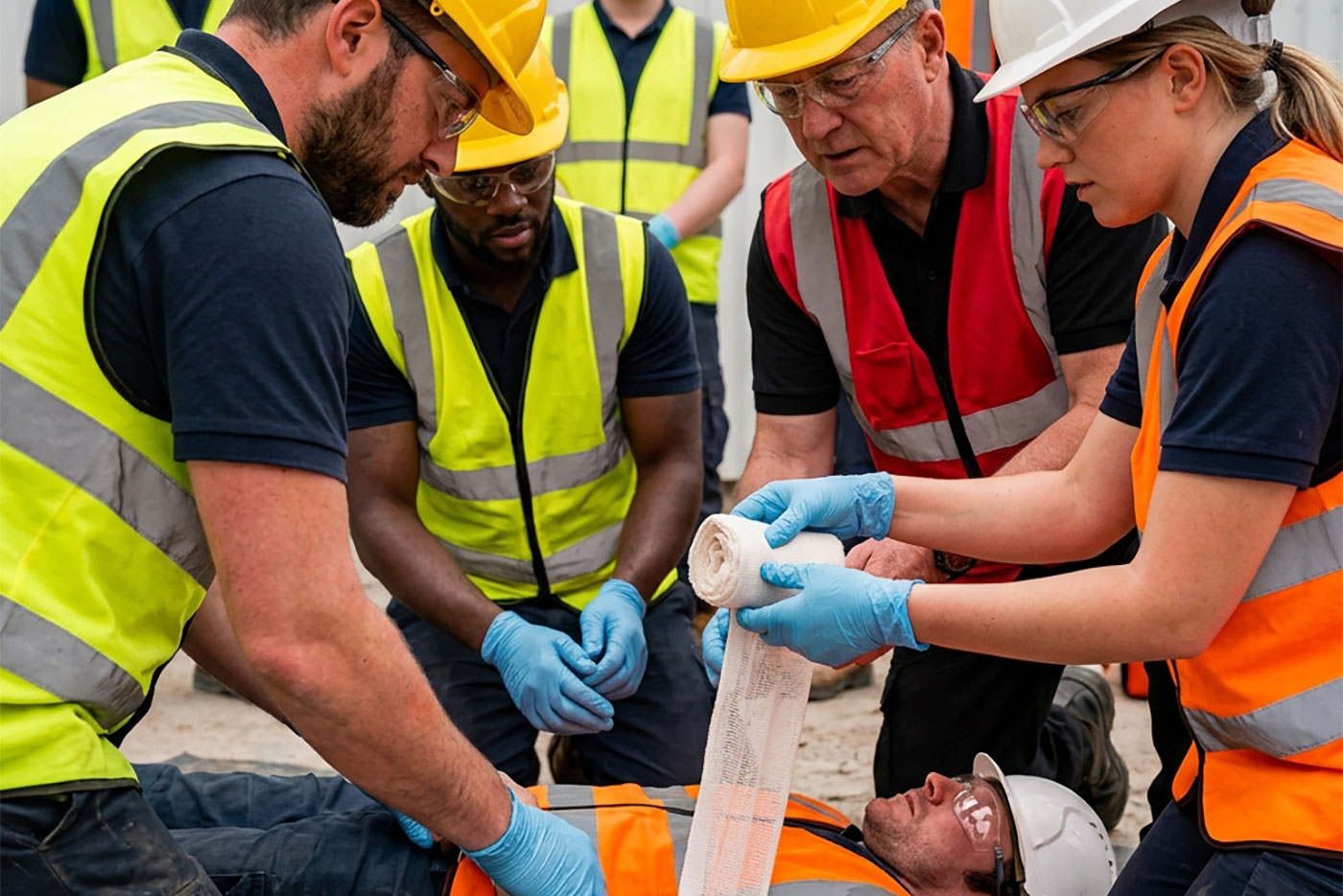

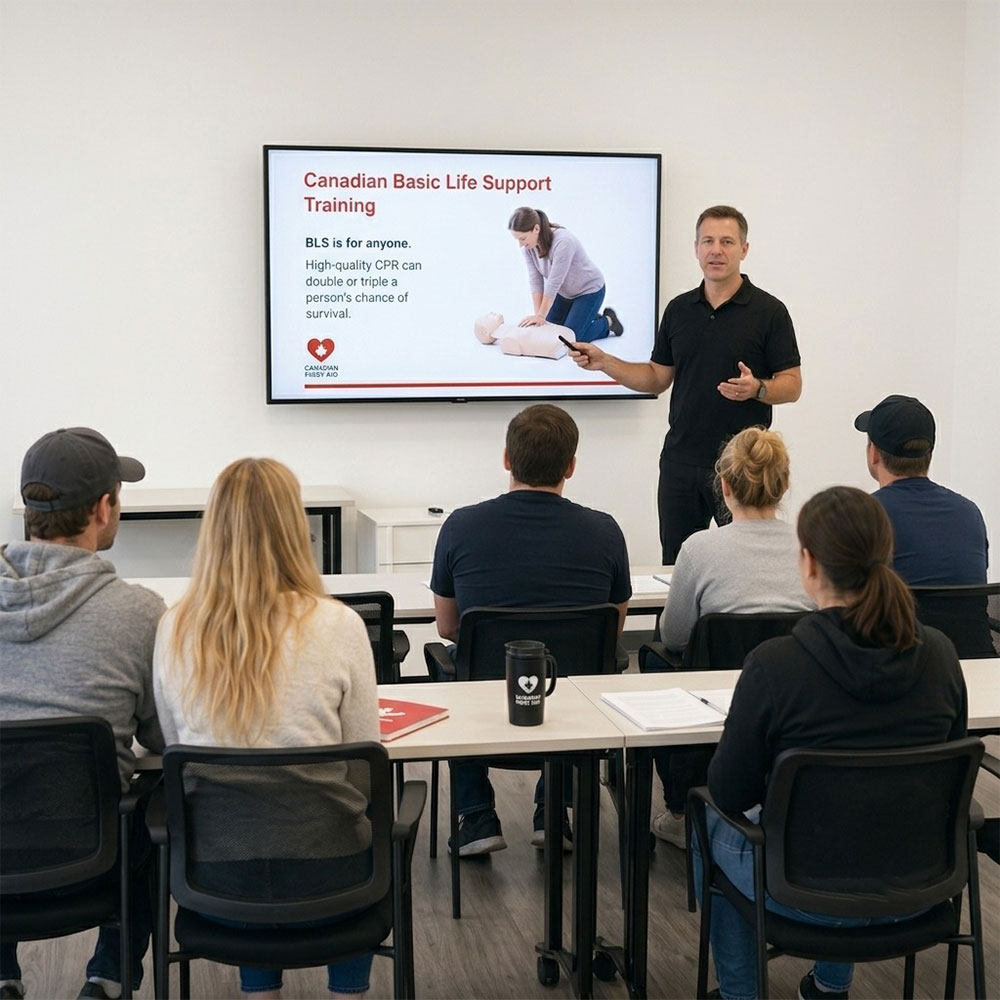
BLS certification teaches you how to respond to cardiac arrest, choking, and other life-threatening emergencies in the critical minutes before advanced help arrives. But is BLS training only for doctors and nurses, or should everyday people have it too? The honest answer is that BLS training is for a lot more people than most assume. Here is a complete breakdown of who requires this training, why it is essential, and where you can get certified in Ontario—including approved courses through Canadian Health & Safety Education (CHSE), a certified Red Cross training partner.
Who Needs BLS Certification? The Healthcare Side
For healthcare providers, BLS certification is rarely optional, it is a strict job and licensing requirement. This group includes:
- Physicians and Nurses: Often the very first responders on the scene of a clinical cardiac emergency.
- EMTs and Paramedics: Whose entire profession revolves around rapid, high-intensity emergency response?
- Dental Professionals: Since administering sedation and anesthesia carries inherent cardiovascular risks.
- Medical and Nursing Students: Who must secure valid certification before starting clinical rotations.
- Therapists and Pharmacists: Respiratory therapists, physical therapists, and pharmacists working directly with vulnerable patient populations.
- Long-Term Care Staff: Caregivers in nursing homes dealing with demographics at a higher risk of cardiac events.
For these professionals, BLS skills are directly tied to licensing, hospital privileges, and safety compliance. Most employers require renewal every two years to keep skills aligned with current resuscitation guidelines. CHSE offers a dedicated BLS training course for this audience, alongside a streamlined BLS Recertification course for fast renewals.
Who Needs BLS Training? The Non-Healthcare Side
BLS training is not locked behind a medical degree. A growing number of non-healthcare professions either mandate or highly encourage this certification, including:
- Teachers and School Staff: Who supervise active children and youth for hours every day?
- Fitness Instructors and Gym Staff: Given the physical exertion and cardiovascular stress common in fitness environments.
- Lifeguards and Pool Staff: Where aquatic emergencies demand immediate, decisive action.
- Flight Attendants: Who are often the sole trained responders available mid-flight.
- Security Guards and Law Enforcement: Frequently acting as the first physical presence on an emergency scene.
- Daycare Workers and Youth Coaches: Responsible for the safety of children and infants.
Beyond employment rules, everyday people, parents, caregivers, and volunteers, choose to get trained because emergencies don’t check job titles. For non-healthcare workers, CHSE offers Standard First Aid & CPR-C/AED and Basic First Aid courses, covering core life-saving skills in an accessible format.
Comparing BLS Training Requirements
Feature | Healthcare BLS | Non-Healthcare First Aid & CPR |
|---|---|---|
Primary Focus | Team-based multi-rescuer CPR, advanced airway management, and clinical scenarios. | Single-rescuer CPR, choking relief, and public AED use. |
Mandate | Required for professional licensing and hospital employment. | Often required for workplace safety (WSIB) or public-facing roles. |
Renewal Cycle | Every 2 years. | Every 2 to 3 years its depend on the local regulations. |
Why BLS Certification Matters for Everyone
The core truth of BLS is simple: the first few minutes after cardiac arrest determine survival. CPR performed immediately can double or triple a person’s chance of survival compared to waiting passively for paramedics.
For medical professionals, BLS training reinforces clinical muscle memory and team dynamics. For non-medical individuals, it builds the mental confidence to step forward and act rather than freeze in fear. Both pathways lead to the same critical outcome: keeping someone alive until advanced medical help arrives.
Finding the Right BLS Course for You
If you are based in Ontario, CHSE provides a highly accessible route to certification. As an experienced Red Cross training partner with over two decades of medical field expertise, CHSE runs WSIB-approved courses led by certified instructors.
Getting certified is straightforward:
- Select Your Course: Choose the path that matches your professional or personal needs.
- Attend Hands-On Training: Learn and practice muscle-memory skills with up-to-date Red Cross equipment.
- Get Your Certificate: Receive a valid credential for workplace compliance and future renewals.
In 2026, knowing how to save a life remains one of the most practical skills you can possess. Browse available sessions today to secure your BLS certification and gain the confidence to make a difference when it matters most