
If you’ve got a tween who’s suddenly obsessed with earning their own money, or you’re a parent trying to figure out when your child is actually ready to watch other kids, you’ve probably typed some version of babysitting course age requirement Canada into Google. It’s one of the most common questions we hear at Canadian HSE, and honestly, it’s a good one to ask before signing up for anything. Here’s the short answer: most babysitting courses in Canada, including the ones modeled after the well-known Canadian Red Cross program, are designed for kids around 11 to 15 years old. But the full picture is a little more nuanced than a single number, so let’s break it down.
Why 11 Is the Magic Starting Point
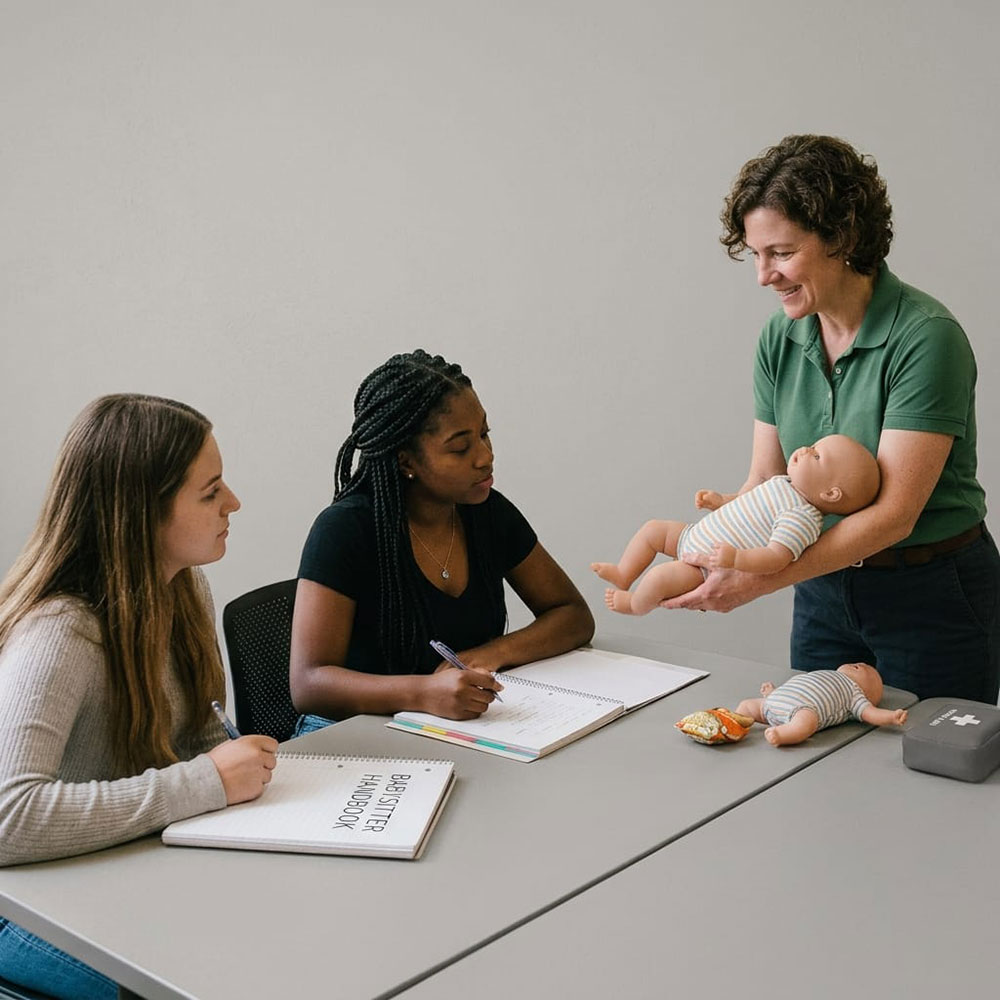
There’s nothing arbitrary about the age 11 cutoff. By that age, most kids have developed enough independence, reading comprehension, and basic problem-solving ability to actually absorb what’s being taught. A babysitting course isn’t just “here’s how to change a diaper” it covers things like:
- Basic first aid and choking response
- How to handle emergencies and when to call 911
- Safe sleep practices for infants
- Age-appropriate play and discipline strategies
- Communicating with parents and setting boundaries
That’s a lot of real-world responsibility packed into a short course, and 11-year-olds are typically the youngest group who can engage with this material meaningfully not just memorize it, but actually apply it when something goes sideways.
Is There a Hard Minimum Age?
Technically, no single governing body enforces one strict national age law for babysitting courses in Canada. Age guidelines come from the course providers themselves, based on what content is being taught and how it’s delivered. That’s why you’ll see slight variation between programs. Some accept kids as young as 10 if they’re mature for their age, while others hold firm at 11 or 12.What’s consistent across most reputable Canadian programs, including Red Cross-style courses, is that 11 is the standard recommended starting age, with the practical age range for participants stretching up to around 15 or 16. After that, teens usually move on to more advanced options like a Home Alone course or a standard First Aid/CPR certification, which layer on more responsibility.
What about “Too Old” for a Babysitting Course?
There isn’t really a maximum age. Plenty of teens take these courses at 14 or 15 because they’re finally ready to start babysitting seriously, whether that’s for neighbor’s, family friends, or as a summer job. Some older teens even take it as a refresher before applying for their first nanny or camp counselor gig. So if your teenager missed the “typical” window, there’s no need to worry the course is just as valuable a little later.
So What’s the Best Age to Start?
This is where it gets personal, because maturity varies a lot from kid to kid. A few things worth considering before enrolling your child:
- Emotional readiness. Can they stay calm under pressure? Babysitting courses simulate stressful situations on purpose, and some 11-year-olds handle that better than others.
- Reading and comprehension level. Materials are usually written for a pre-teen to early-teen reading level, so kids need to be comfortable following written instructions and multi-step processes.
- Interest, not pressure. Kids who actually want to babysit retain the training far better than kids who were signed up because a parent thought it’d be a good idea. If your child is asking about it, that’s usually a strong signal they’re ready.
Most instructors will tell you the “right age” is less about a birthday and more about whether the child can sit through a few hours of structured learning and take it seriously. That said, 11 remains the sensible floor, both developmentally and practically.
What to Expect After the Course
Once your child completes a certified babysitting course, they’ll typically walk away with a certificate they can show to prospective clients, plus a genuine skill set that goes well beyond “watching TV with the kids.” Parents hiring a babysitter increasingly ask whether the sitter has taken formal training, so this certification can be the difference between landing that first babysitting job and getting passed over.
Ready for Independence? Here’s the Next Step
If you’re trying to time this right, aim for age 11 as the earliest sensible starting point, and don’t stress if your child takes it a little later; the material holds up whether they’re 11 or 15. The real question isn’t just “how old is old enough,” but whether your child is ready to take on the responsibility that comes with the certificate.
If you’re ready to get started, Canadian HSE offers a Red Cross-style babysitting course designed specifically for this age group, covering everything from first aid basics to real-world scenarios kids will actually encounter. It’s a solid first step toward independence — and maybe their first real paycheck.