
There’s a moment in almost every emergency when time seems to slow down. People freeze. Someone shouts for help. And in the middle of all that chaos, one trained person steps forward, calm, focused, and ready.
That person doesn’t need to be a doctor. They don’t need special equipment or years of medical school. They just need to know first aid. It sounds simple. And in many ways, it is. But the impact of that knowledge in the right moment — can be the difference between a full recovery and a tragedy. This is why first aid works, and why understanding its importance is something every person, in every walk of life, genuinely deserves.
What Does “First Aid Works” Actually Mean?
When we say first aid works, we mean something very specific: that prompt, basic care given in the minutes immediately after an injury or medical emergency measurably improves outcomes.
It doesn’t mean first aid replaces professional medical treatment. It means first aid buys time. It stabilizes. It prevents a manageable situation from becoming a fatal one.
Consider some of the most common emergencies where first aid makes a documented difference:
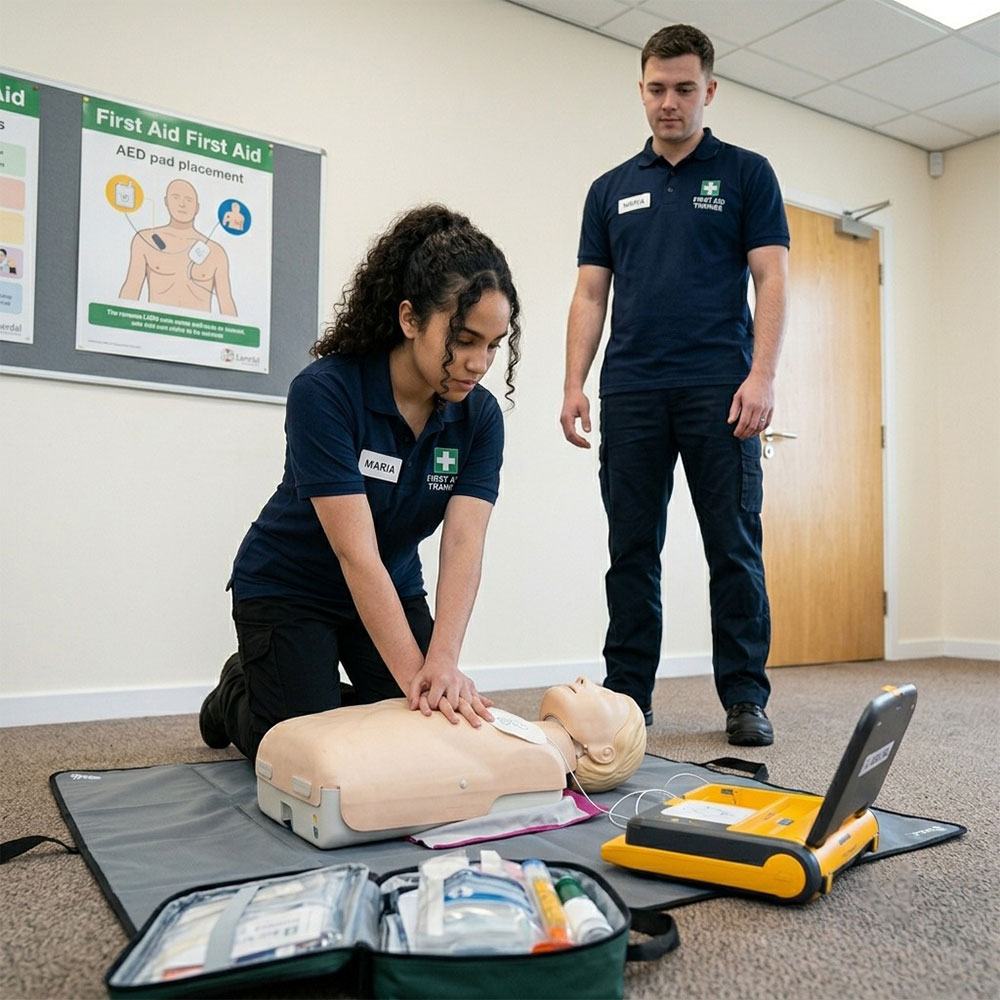
- Cardiac arrest: CPR and AED use within the first 3–5 minutes can more than double survival rates
- Choking: A correctly applied abdominal thrust can clear an airway obstruction in seconds
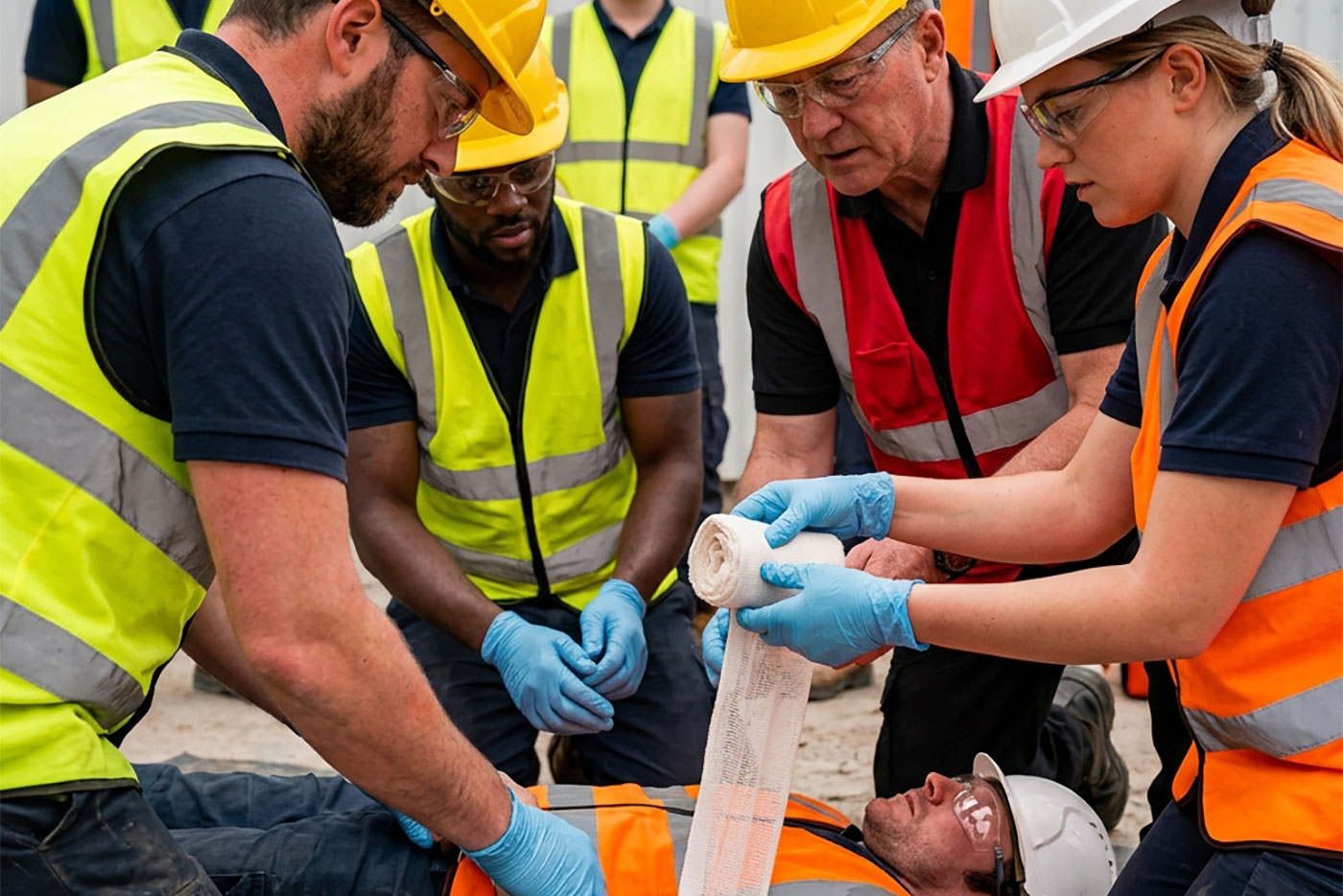
- Severe bleeding: direct pressure and wound packing can prevent fatal blood loss before an ambulance arrives
- Anaphylaxis: recognizing the signs and administering an EpiPen can prevent a reaction from turning fatal
- Stroke: knowing the FAST signs (Face drooping, Arm weakness, Speech difficulty, Time to call 911) means faster hospital intervention and better recovery outcomes
In every one of these scenarios, the presence of someone with life-saving skills in first aid changes what happens next. That’s not an opinion. That’s documented evidence, repeated across decades of emergency medicine research.
The Real Importance of First Aid: It Fills the Gap
Here’s the uncomfortable truth about emergencies: professional help takes time to arrive.
Across Canada, average emergency response times range from 6 to 12 minutes, depending on location, time of day, and call volume. In rural areas, that number can be significantly higher. Meanwhile, a person in cardiac arrest begins suffering irreversible brain damage within 4 to 6 minutes of their heart stopping. That gap between when something goes wrong and when the ambulance arrives is where the importance of first aid becomes impossible to ignore.
First aid fills that gap. A trained bystander who starts CPR immediately keeps oxygenated blood moving through the body. Someone who knows how to control bleeding keeps a patient stable. A person who recognizes stroke symptoms and calls 911 immediately rather than waiting to “see if it gets better” gives a stranger a fighting chance at a full recovery.
No app, no 911 dispatcher, and no amount of good intentions replaces the value of someone who has been trained and knows exactly what to do.
Benefits of First Aid Training That Go Beyond Emergencies
Most people think about first aid training purely in terms of crises. But the benefits of first aid training extend well beyond those worst-case moments.
- It Makes Everyday Environments Safer
When people are trained in first aid, they naturally become more aware of hazards. They notice spill risks, unsecured cords, or a colleague who looks pale and unwell. This heightened awareness reduces the frequency of incidents, not just the severity of outcomes when they occur.
- It Reduces Workplace Accidents and Their Consequences
Across Ontario, workplace health and safety legislation requires trained first aid personnel to be present on job sites. But compliance aside, workplaces with trained staff respond more quickly and effectively to incidents, resulting in less time lost, fewer serious injuries, and lower liability. That’s a measurable benefit every employer understands.
- It Builds Confidence and Reduces Panic
Fear in an emergency is completely natural. But panic, the kind that causes people to freeze or make poor decisions, is largely a product of not knowing what to do. First aid training removes that uncertainty. People who have practiced their response in a controlled setting don’t panic when the real thing happens.
- It Creates Stronger, More Resilient Communities
When a significant portion of any community a neighborhood, a school, a workplace is first aid trained, that community is objectively safer. More people can act. More people know when to call for help. More lives are saved, and more recoveries are complete rather than partial.
This is what health and safety professionals call “community resilience.” And it starts with individual training decisions, like the one you’re considering right now.
Why First Aid Is Crucial: The Numbers Tell the Story
Let’s talk about numbers for a moment, because they make the case more clearly than anything else.
Studies across Canada and internationally have shown:
- Bystander CPR more than doubles survival rates for out-of-hospital cardiac arrest
- Early defibrillation within 3–5 minutes increases survival rates to over 70% in some studies compared to below 10% without it
- Proper wound care in the first minutes after injury significantly reduces the risk of infection and complications
- Recognition of stroke symptoms by trained bystanders leads to faster hospital treatment, and faster treatment directly correlates with better recovery outcomes
These aren’t edge cases. These are scenarios that happen in homes, offices, gyms, schools, and shopping centres across Canada every single day. The reason why first aid is crucial isn’t abstract — it’s backed by decades of real-world data.
Life-Saving Skills First Aid: What You Actually Learn
People often overestimate how complex first aid training is — and in doing so, they put it off indefinitely. The reality? Life-saving skills first aid courses are designed for regular people, not medical professionals.
A standard first aid course typically covers:
- CPR and AED use: the foundation of cardiac emergency response
- Choking response: including techniques for adults, children, and infants
- Bleeding control: direct pressure, wound packing, and tourniquet application
- Shock recognition and management: keeping victims stable while help is on the way
- Burns and fractures: basic assessment and appropriate first response
- Allergic reactions and anaphylaxis: recognizing severity and responding correctly
- Stroke and heart attack recognition: knowing the signs and acting fast
- Head, neck, and spinal injury management: when to move someone and when not to
None of this requires a medical degree. It requires a few hours of focused, hands-on training and a willingness to be the person who acts when others don’t know what to do.
Who Needs First Aid Training?
The honest answer is: everyone benefits. But certain groups have a particularly strong case for getting certified:
Parents and caregivers: children are wonderfully unpredictable, and accidents happen in even the most careful households. Choking, falls, burns, and allergic reactions are all more manageable with training.
Teachers and school staff, responsible for dozens of children at a time, are in regular contact with situations that demand first aid knowledge.
Workplace employees and managers: Ontario regulations require first-aid-trained staff in most workplaces. Beyond compliance, trained employees create safer environments for everyone.
Healthcare support staff: PSWs, dental assistants, therapy aides, and others in adjacent healthcare roles often need first aid as a baseline credential.
Coaches, fitness professionals, and recreation staff: high-exertion environments carry elevated cardiac risk. Knowing how to respond to a cardiac event is essential.
Anyone who drives: road traffic accidents remain a leading cause of injury in Canada. Knowing what to do in the moments after a collision — before paramedics arrive — can prevent deaths.
First Aid Works — Because You Do
Here’s the thing that first aid training ultimately gives you: agency.
In a world where so much is outside our control, knowing how to respond in an emergency is one of the most empowering things a person can carry with them. It doesn’t take years. It doesn’t require a clinical background. It requires a decision — to show up, learn the skills, and be the person who acts.
First aid works because trained people work. They recognize emergencies faster. They respond more calmly. They take the right actions in the right order, and those actions save lives.
The next time someone near you needs help, will you be ready?
Canadianshse have to find a first aid course near you and take the step that could one day make all the difference.