
If you’ve ever watched your dog choke on a treat or your cat suddenly go limp after eating something it shouldn’t have, you know that panicked, helpless feeling. Your mind goes blank right when you need it most. This is exactly the gap that pet first aid training is meant to fill, and it’s why more everyday pet owners across the country are looking into pet first aid certification in Canada not just dog walkers, groomers, and vet techs.
But is it actually worth the time and money for someone who just has one dog at home? Let’s break it down.
What Pet First Aid Certification Actually Covers
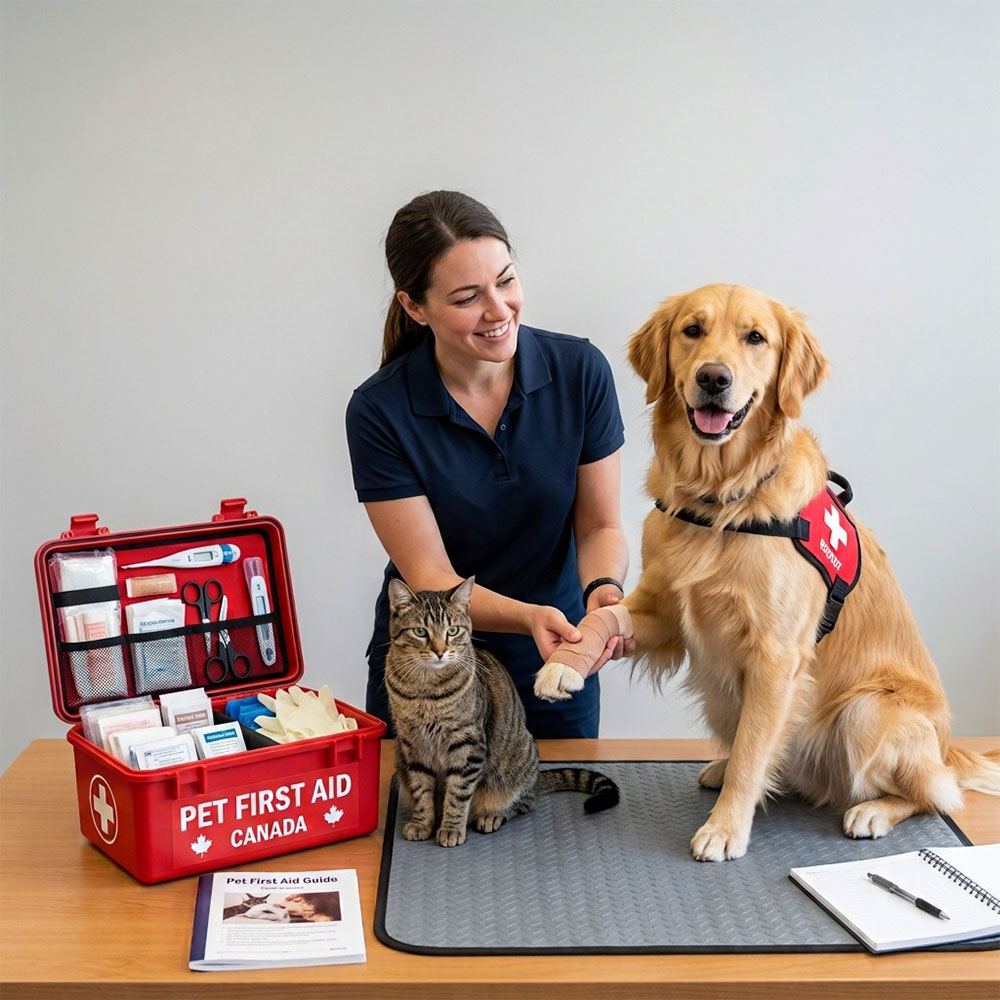
A typical certification program walks you through the basics of recognizing an emergency, stabilizing your pet, and getting them safely to a vet. That usually includes CPR, how to handle bleeding or wounds, what to do if your pet is choking, how to recognize signs of poisoning or heatstroke, and how to safely move an injured animal without making things worse. Courses are offered by organizations like the Canadian Red Cross, St. John Ambulance, and various veterinary-affiliated training groups, both in person and online. Providers like CHSE: Workplace Safety Training & Certification a Certified Red Cross training partner, have also added a dedicated Pet First Aid course to their lineup, which shows just how mainstream this kind of training has become outside of strictly professional circles.
The certification itself typically takes a few hours to complete and results in a card or digital certificate valid for two to three years, depending on the provider.
Pet First Aid Certification Benefits Owners More Than You’d Think
It’s easy to assume this kind of training is only useful for professionals who work with animals all day. But the truth is, the pet first aid certification Canada benefits owners just as much, if not more, because most emergencies happen at home, not at a kennel or clinic.
Think about it: professionals usually have quick access to a vet on-site or nearby. A regular pet owner, especially one living rurally or far from a 24-hour animal hospital, might have twenty or thirty minutes of drive time before help arrives. What you do in those minutes can genuinely determine the outcome.
Beyond the practical skills, there’s a confidence factor. Owners who’ve taken a course report feeling calmer and more capable during stressful situations, simply because they’re not improvising. They know the steps. That mental clarity alone can prevent a bad situation from becoming worse.
The Real Value of Pet CPR Training
Let’s talk specifically about pet CPR training value for pet parents. Cardiopulmonary resuscitation for animals isn’t identical to human CPR the technique, hand placement, and compression rate differ depending on the size and species of the animal. Without training, most people wouldn’t know where to even begin. Pet CPR training teaches you to recognize the signs that your pet has stopped breathing or their heart has stopped, and how to respond immediately while someone else calls the vet. While CPR success rates for pets are modest, just like in humans, doing something correctly is far better than doing nothing or doing it wrong. For many owners, this single skill is reason enough to enroll.
What Pet First Aid Course Online Reviews Say
If you search for pet first aid course online reviews, a pattern quickly shows up. Most reviewers say the content is more practical than they expected, and many are surprised at how much they didn’t know beforehand, things like the fact that inducing vomiting can be dangerous depending on what your pet ingested, or that muzzling an injured, frightened animal (even a friendly one) is often a necessary safety step.Some reviewers do note that hands-on practice, like proper compression technique, is harder to fully grasp without in-person guidance, so pairing an online course with a practice session using a stuffed animal or pet CPR mannequin is a helpful workaround several instructors recommend.
Why the Importance of Pet First Aid Knowledge Goes Beyond Certification
Here’s the bigger picture: the importance of pet first aid knowledge isn’t really about having a certificate to show off. It’s about being ready. Pets can’t tell you what’s wrong; they can’t call for help, and they often hide pain until it’s severe. Owners who understand basic first aid are simply better equipped to notice something is wrong earlier, which can mean catching a problem before it becomes an emergency at all. This knowledge also helps in smaller, everyday ways, such as safely trimming nails without causing excessive bleeding, recognizing the early signs of bloat in dogs, or knowing when a limp needs a vet visit versus a day of rest.
Empowering Yourself to Be Your Pet’s First Responder
For most pet owners, yes. The cost is usually modest, often under $100 for online courses, and the time investment is a few hours. Compared to the emotional and financial cost of a preventable emergency going wrong, it’s a small price for real peace of mind.
You don’t need to be a professional to benefit from this training. You just need to be someone who loves their pet and wants to be ready if something goes wrong. And really, isn’t that most of us?
If you’re ready to get certified, it’s worth looking into a recognized provider near you. CanadiansHSE training Certification offers a dedicated Pet First Aid course alongside its other Red Cross–backed first aid and CPR programs, making it a straightforward option for Canadian pet owners who want reliable, structured training rather than piecing information together on their own.