
Ontario has no shortage of training providers promising to certify you in first aid or Basic Life Support. A quick search turns up dozens of options: community centers, private companies, hospital-affiliated programs, online-only courses, and everything in between. The abundance of choice sounds helpful until you realize that not all certifications carry the same weight, not all instructors deliver the same quality, and picking the wrong provider can mean your certificate isn’t accepted by your employer or doesn’t satisfy provincial requirements.
Whether you’re an individual looking to be better prepared for emergencies or an employer trying to meet regulatory obligations, choosing a medical training provider in Ontario deserves more thought than most people give it.
Start With Ontario First Aid Course Requirements
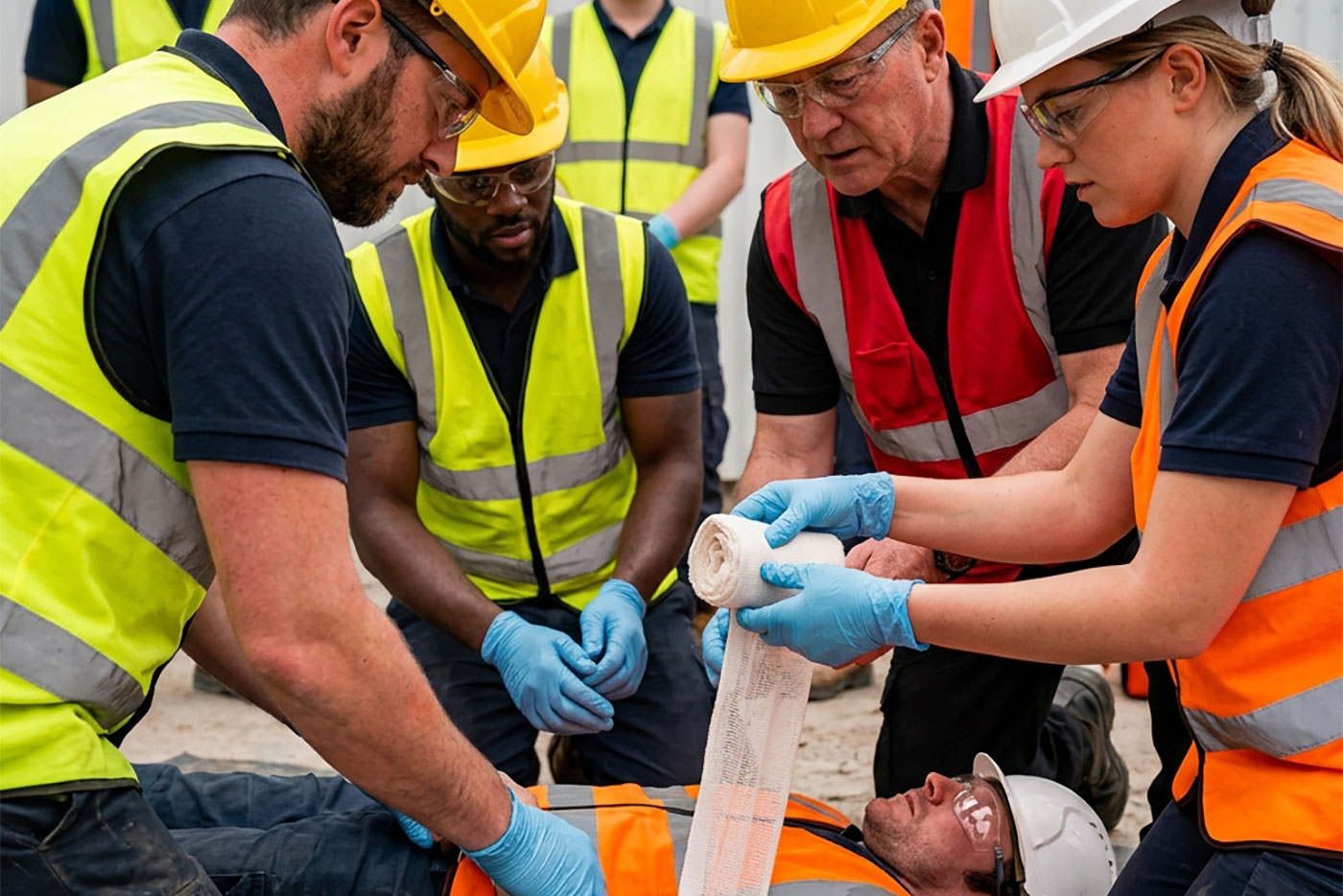
Before you compare providers, you need to know what you’re actually required to have. Ontario first aid course requirements are governed by the Occupational Health and Safety Act (OHSA) and the accompanying Workplace Safety and Insurance Board (WSIB) guidelines, which specify minimum first aid training standards based on the number of workers and the nature of the workplace. Ontario workplaces are required to ensure:
- A minimum number of employees hold valid first aid certification
- The level of training matches the workplace hazard category
- At least one certified first aider is present whenever workers are on site
- Higher-risk environments construction, manufacturing, industrial settings) meet more comprehensive training standards
Understanding these thresholds before you register means you can match the course level to the actual requirement rather than over- or under-training. If you’re unsure where your workplace falls, a reputable provider should be able to help you identify the right course based on your industry and team size.
Look for Recognized Accreditation
This is the single most important factor when choosing a first aid training Ontario provider. Certification from an unaccredited provider may look legitimate but won’t hold up when an employer, licensing body, or WSIB auditor checks it against approved standards.
In Ontario, recognized providers typically deliver training aligned with standards from:
- Canadian Red Cross
- St. John Ambulance
- Lifesaving Society
- Heart and Stroke Foundation
For BLS certification in Ontario specifically, healthcare employers and academic programs expect certification that aligns with current resuscitation guidelines, usually those published by the Heart and Stroke Foundation or the American Heart Association — and they will check.
Evaluate the Course Format and Hands-On Component
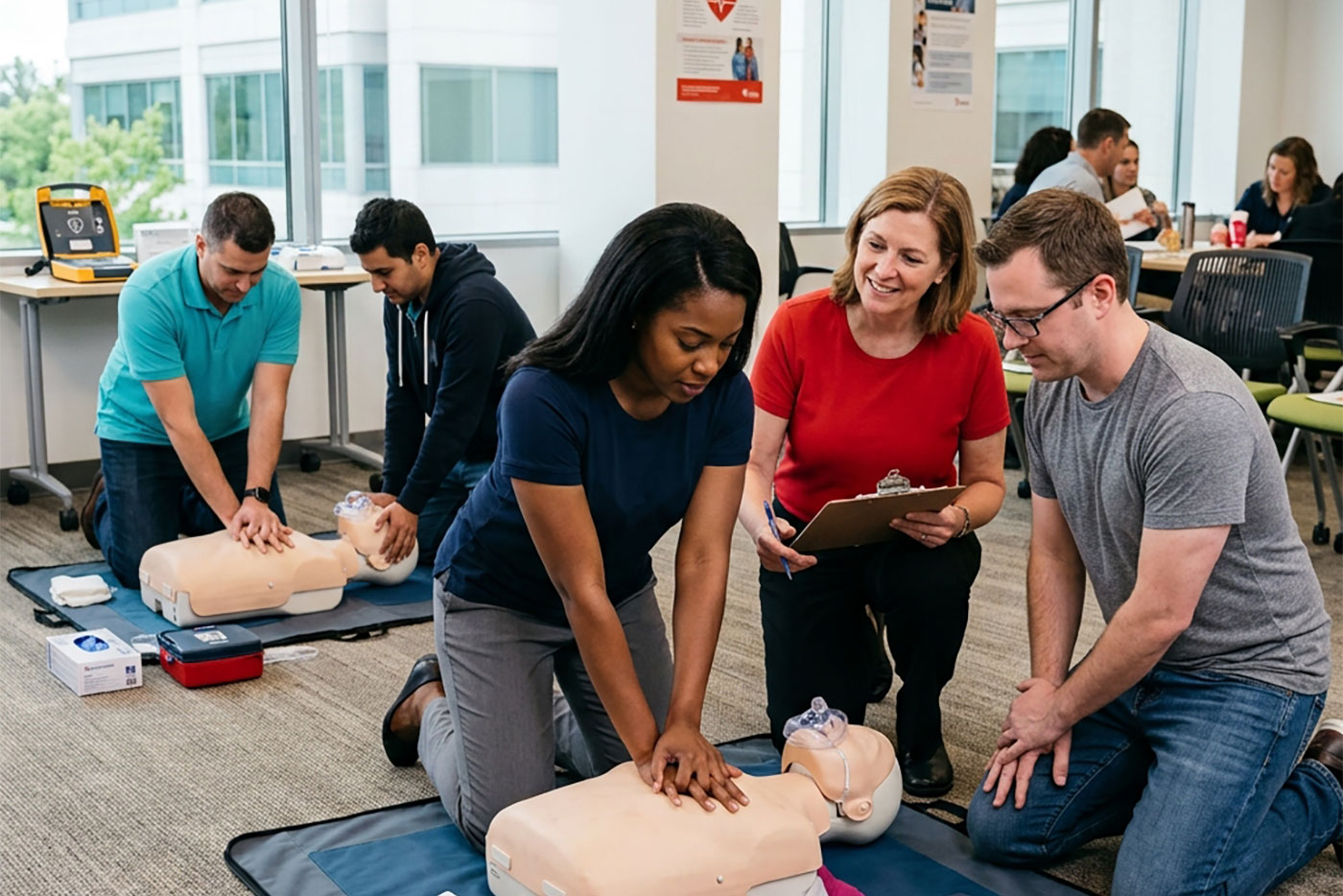
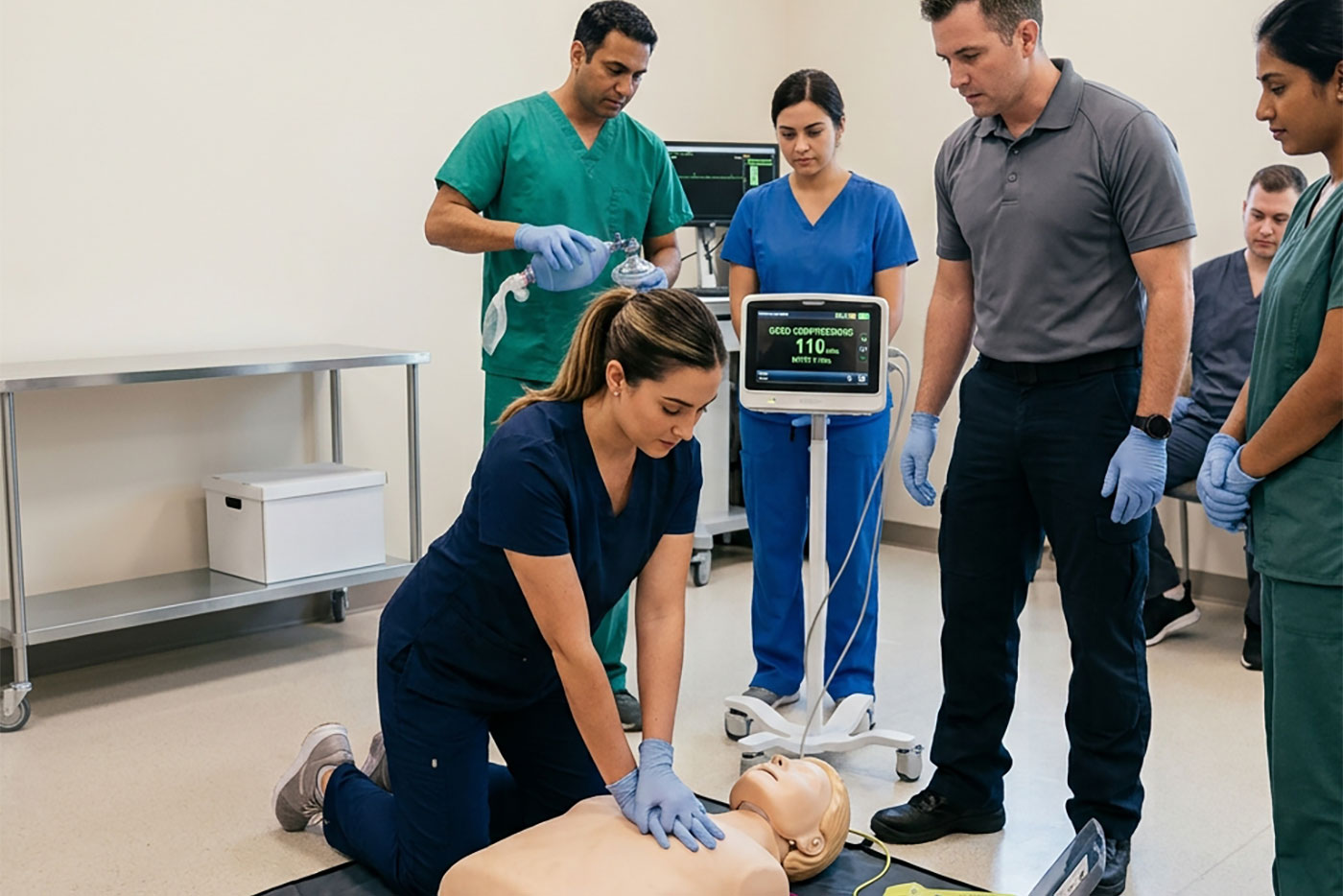
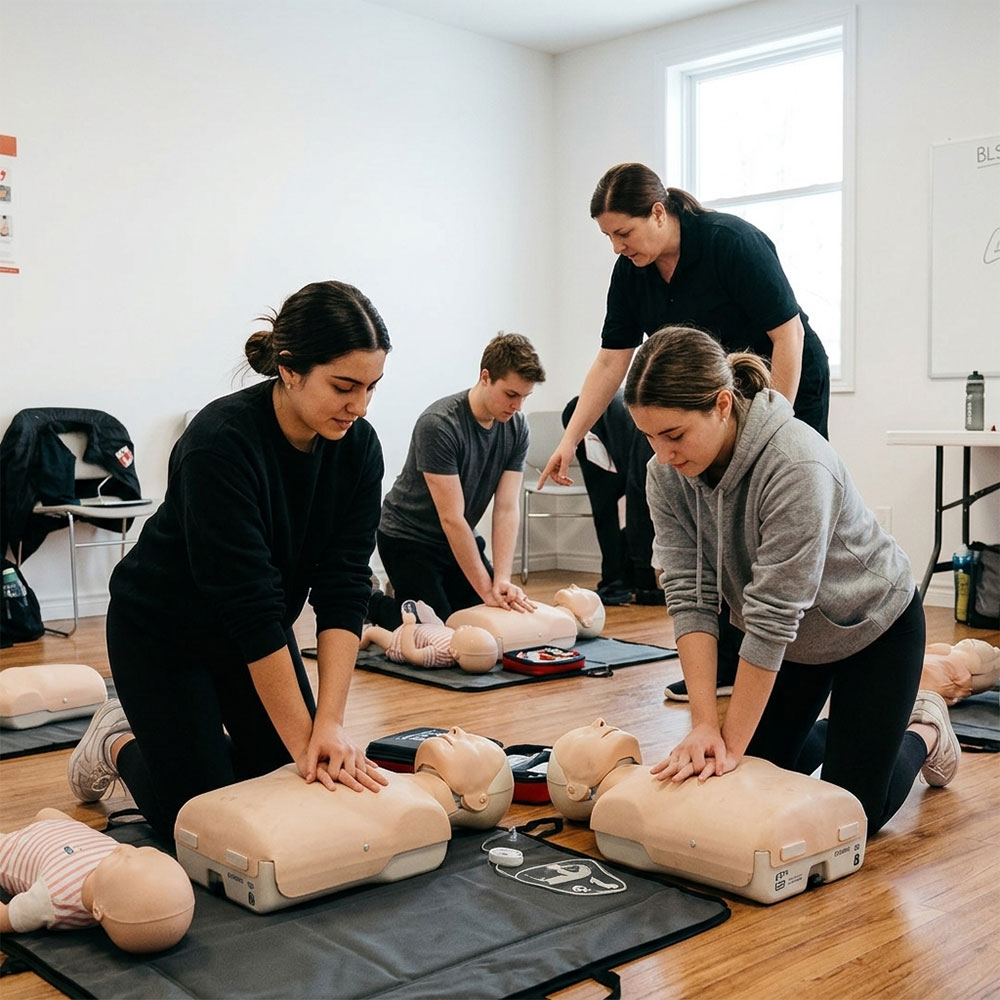
One of the clearest differences between a strong training provider and a weak one is how much time is spent with hands-on a manikin versus eyes on a screen. For both first aid and BLS certification, physical skill practice is not optional it’s the entire point.
- Courses that are 100% online with no in-person component
- Providers that issue certificates without a practical skills evaluation
- No mention of manikin practice, AED simulation, or scenario-based training
The best providers in Ontario use a blended format:
- Online pre-learning covers foundational knowledge efficiently at your own pace
- In-person skills sessions qualified instructors observe, correct, and evaluate technique directly
- Scenario-based practice simulates real emergencies so decision-making becomes instinctive
This format respects your time while ensuring the training actually builds competency rather than just issuing a card.
Check Instructor Qualifications and Class Size
The quality of your training depends enormously on the person delivering it. When choosing a medical training provider in Ontario, look for instructors who:
- Hold current instructor-level certification from a recognized training organization
- Have relevant professional or clinical experience in emergency response or healthcare
- Can demonstrate skills physically not just describe them from the front of a room
- Provide individual feedback during hands-on practice sessions
Class size matters just as much. Larger groups mean:
- Less time on the manikin per participant
- Fewer opportunities for instructors to catch and correct errors
- Less confidence walking out the door
Ask prospective providers about their participant-to-instructor ratio. For skills-heavy courses, anything above 10:1 is worth questioning.
Consider Scheduling Flexibility and Group Training Options
Life in Ontario is busy, and training schedules need to reflect that. A strong provider will offer:
- Weekday, evening, and weekend sessions to accommodate different work schedules
- Frequent course dates so you’re not waiting months for the next available slot
- On-site group training for employers, which saves travel time and keeps scenarios relevant to your actual workplace
- Corporate packages with group rates for teams booking multiple participants
If you’re managing compliance for a team, it’s also worth asking whether the provider can tailor scenario content to your specific industry. A construction site emergency looks very different from a medical clinic, and training that reflects your environment is more effective. A good training provider doesn’t disappear after you pass your course. Look for providers who:
- Send renewal reminders before your certificate expires
- Offer refresher courses at a reduced rate for returning participants
- Maintain clear certification records you can access when needed
- Make rebooking simple without requiring you to repeat full-length courses unnecessarily
For healthcare professionals juggling BLS renewal alongside continuing education requirements, a provider with a streamlined recertification process is genuinely worth the investment.
The Bottom Line
Choosing the right first aid or BLS training provider in Ontario isn’t about finding the cheapest option or the fastest course. It’s about finding a provider whose credentials, instructors, format, and standards ensure that you walk out genuinely prepared not just certified on paper.
Providers like Canadian HSE offer accredited first aid and BLS courses across Ontario built to current provincial requirements, with qualified instructors, flexible scheduling, and both individual and group training options. When the moment comes to use what you’ve learned, the quality of the training you chose will matter more than anything else.