
Life is beautifully unpredictable, but it can also present sudden, critical challenges when we least expect them. A sudden cardiac arrest at an office desk, a choking incident at a family dinner, or a severe injury on a busy highway emergencies do not send warnings. In these frantic moments, the presence of an ordinary individual equipped with First Aid Training and Basic Life Support (BLS) can completely alter the outcome. These are not merely certificates to add to a professional resume; they are fundamental, life-saving skills that stand as the ultimate barrier between life and death.
First Aid Training and BLS: The Daily Life-Saving Impact
When a medical crisis occurs, the clock starts ticking instantly. While emergency medical services and ambulances are dispatched immediately, traffic, distance, and location logistics mean it often takes several crucial minutes for paramedics to arrive on the scene. Clinical studies confirm that when a person’s breathing or heartbeat stops, permanent brain damage can begin in as little as four to six minutes due to oxygen deprivation.
This narrow window is where the daily life-saving impact of First Aid and BLS training becomes undeniably real. A bystander trained in a comprehensive First Aid and BLS course knows exactly how to step in without panic. By performing immediate cardiopulmonary resuscitation (CPR) or opening a blocked airway, they maintain the flow of oxygenated blood to the brain, effectively bridging the gap between the onset of the emergency and the arrival of professional medical help. Across the globe, thousands of individuals survive critical events every single day simply because someone nearby knew how to act.
The Importance of BLS Certification and First Aid Skills in Emergencies
In any high-stress medical emergency, panic is a natural human reaction. However, panic often leads to hesitation or, worse, incorrect actions that can make an injury significantly worse. This is why the importance of BLS certification and first aid skills in emergencies cannot be overstated. Professional certification does more than teach technical steps it builds psychological readiness and genuine situational confidence.
A certified individual understands the systematic approach to emergencies: assessing the scene for safety, checking for responsiveness, activating emergency medical services, and delivering targeted interventions.
Through structured First Aid and BLS training, individuals learn to:
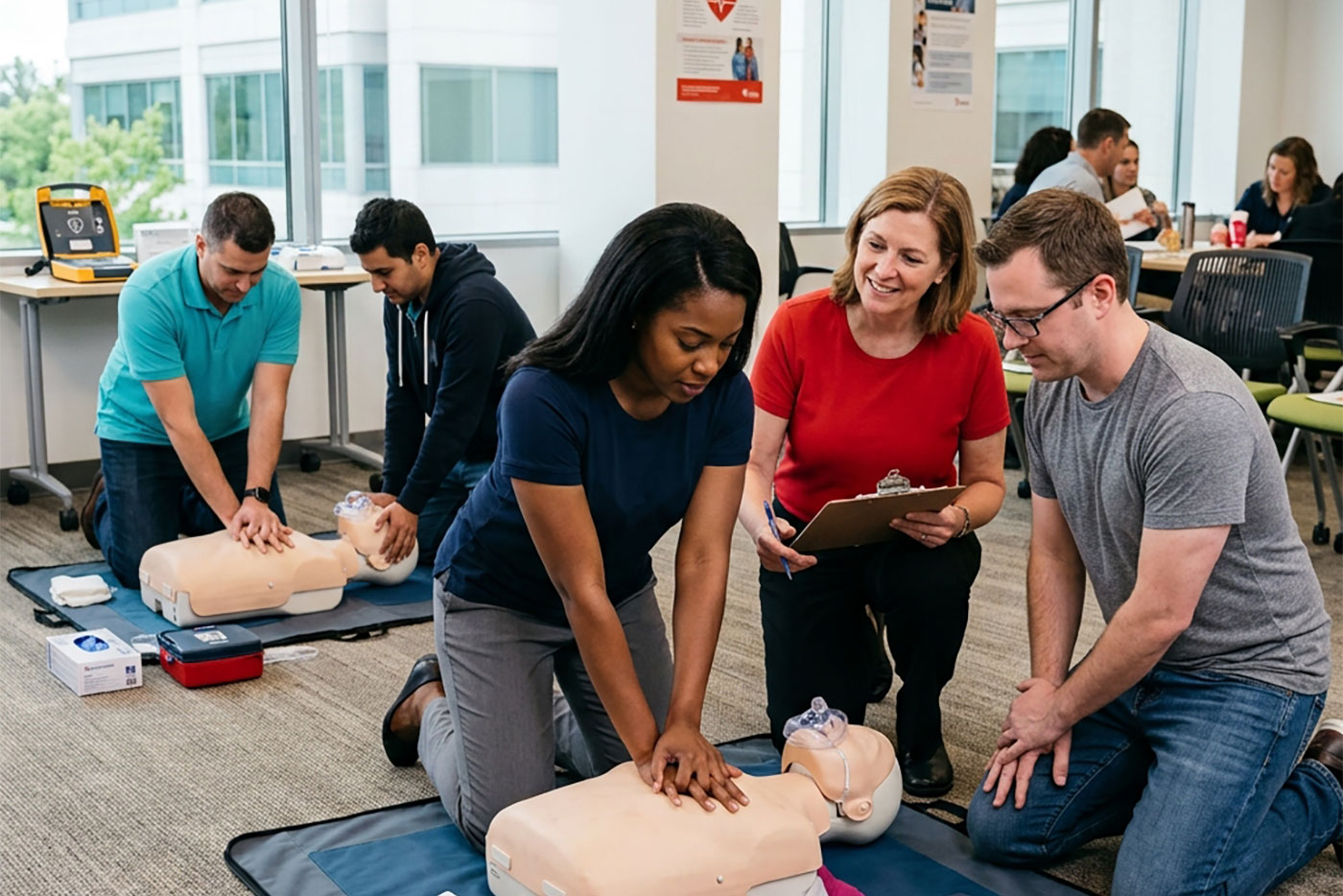
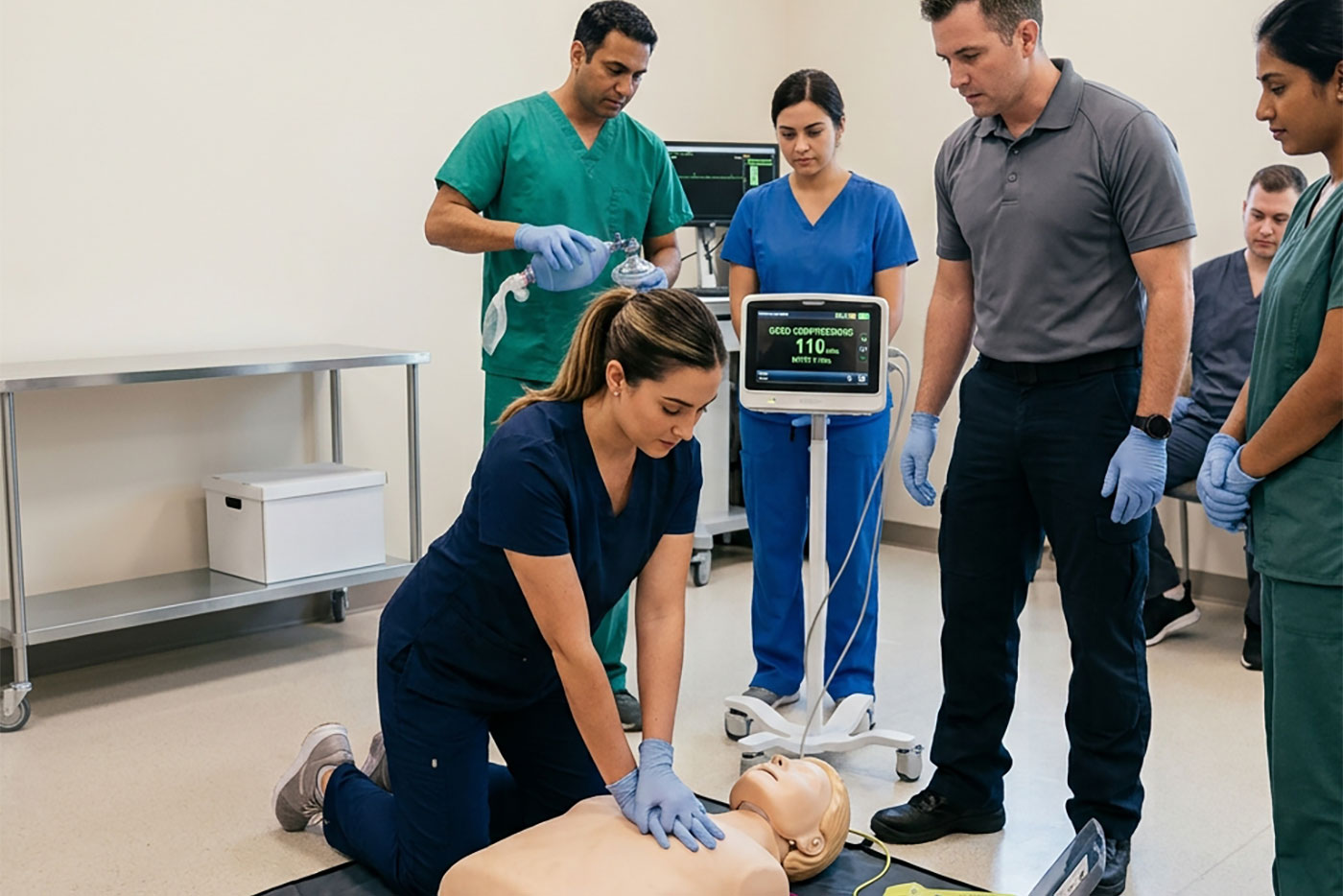
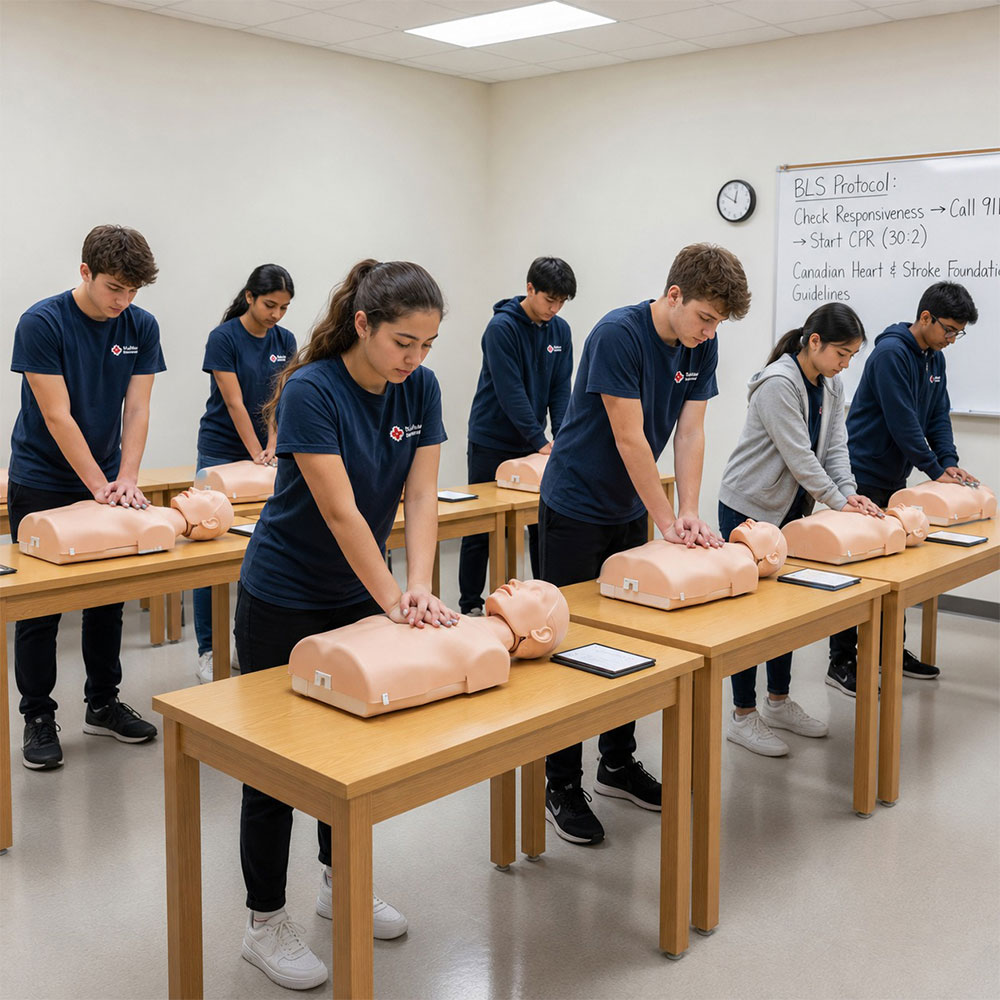
- Administer high-quality chest compressions and rescue breaths with correct rate, depth, and technique
- Operate an Automated External Defibrillator (AED) seamlessly as part of a resuscitation sequence
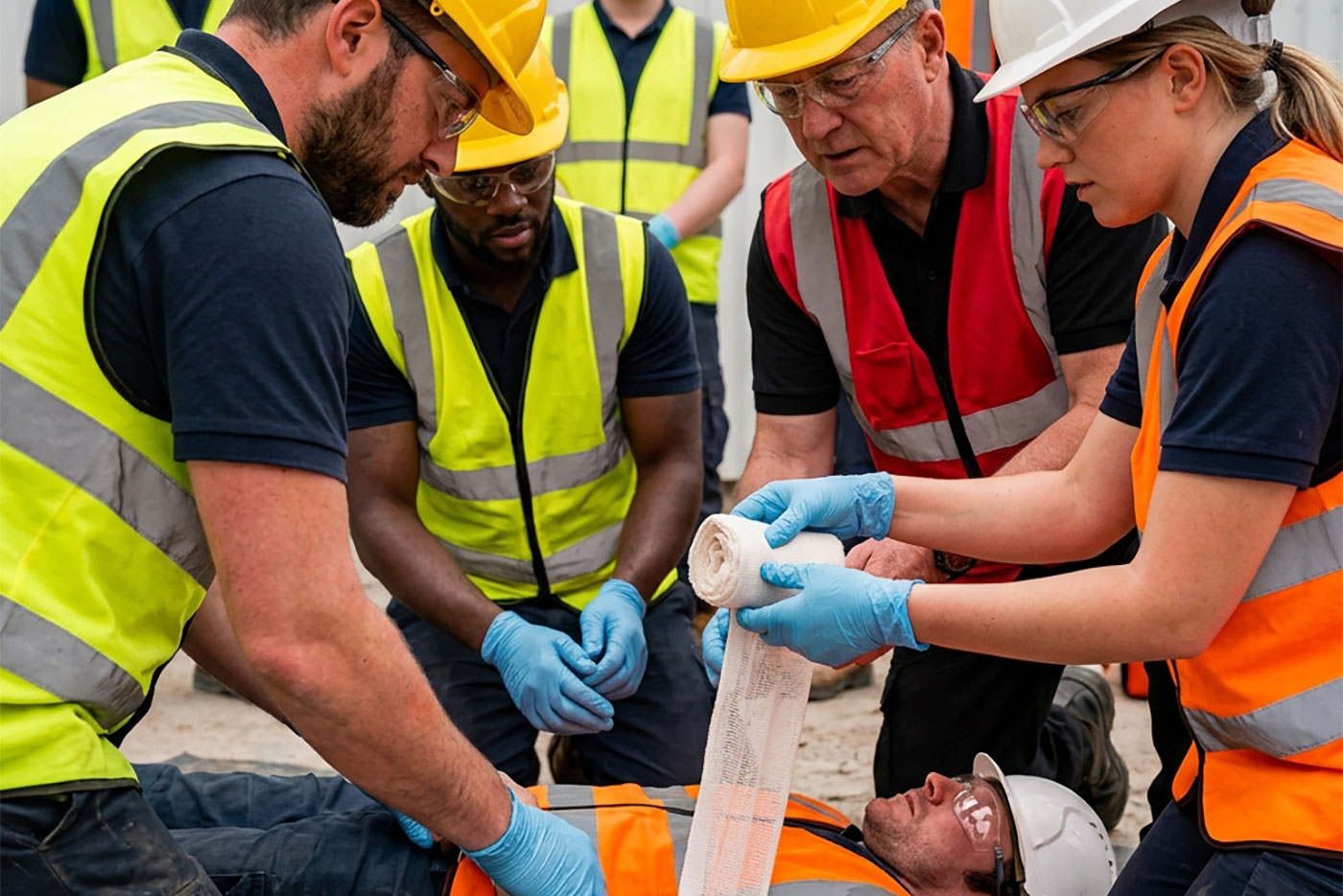
- Control severe, life-threatening hemorrhages using pressure techniques and wound dressings
- Execute the Heimlich maneuver correctly for conscious and unconscious choking victims of all ages
- Recognize early warning signs of stroke, heart attack, diabetic crisis, and severe allergic reactions
These precise skills ensure that the help rendered is effective minimizing secondary injuries and drastically reducing the likelihood of long-term disability or organ failure.
Life-Saving Statistics: Benefits of Comprehensive First Aid and BLS Training in 2026
The advantages of being prepared extend far beyond individual confidence, translating directly into measurable health outcomes at a community level. Looking at the data heading into 2026, immediate intervention drastically alters survival rates:
Emergency Metric | Without Immediate Bystander CPR | With Immediate First Aid / BLS Response |
|---|---|---|
Survival Rate (Cardiac Arrest) | Less than 10% | 60% to 70% |
Survival Rate (Within First 3 Minutes) | Critically low | Dramatically improved |
Pre-Hospital Mortality | Standard baseline risk | Reduced by up to 45% |
Workplace Accident Severity | Higher risk of long-term disability | Significantly minimized recovery time |
Beyond the numbers, comprehensive First Aid and BLS training fosters a profound sense of community safety and shared responsibility. When workplaces, schools, and public spaces have a high density of certified individuals, they become inherently safer environments for everyone in them — not just those who are trained.
Real-Life Examples: First Aid and BLS Preventing Fatalities Every Day
The true impact of these skills is best understood not through statistics but through the moments they create in real communities every day.
- The School Cafeteria: A primary school teacher noticed a student choking on a piece of food during lunchtime. Having recently completed a First Aid and BLS course, she did not hesitate. She immediately recognized the signs of complete airway obstruction and performed the Heimlich maneuver. Within seconds, the object was dislodged, and the child was breathing normally before the school nurse even reached the cafeteria. No ambulance was needed. Training worked exactly as intended.
- The Soccer Field: A recreational soccer player suddenly collapsed mid-game due to cardiac arrest. A teammate holding a valid BLS certification immediately assessed the situation, called for the field’s AED, and began chest compressions without delay. By maintaining steady CPR and delivering a timely shock from the defibrillator, the teammate successfully restored a shock able rhythm keeping the player alive until paramedics arrived. Without that certified teammate on the field, the outcome would almost certainly have been very different.
These are not extraordinary stories reserved for heroes. They are the quiet, daily work of trained people doing what they prepared to do in ordinary places, on ordinary days.
Protecting the People Who Matter Most
While First Aid and BLS certification enhances a professional profile especially in corporate environments where workplace safety compliance is valued and legally required the most compelling reason to get trained is deeply personal.
Statistical data consistently shows that more than 80% of sudden cardiac arrests and severe accidents occur within the home environment. This means that if you are ever called upon to use your training, the life you save is most likely to be someone you love a parent, a spouse, a sibling, or your own child. Getting certified is not just a professional decision. It is an act of preparation, responsibility, and care for the people around you.
Take the Step Before the Emergency Does
First Aid Training and Basic Life Support are no longer optional skills reserved solely for healthcare professionals. They represent a fundamental responsibility for every adult who wants to be genuinely prepared for what life can bring without warning.
Emergencies happen without notice but your readiness can change how they end. Canadian HSE offers accredited First Aid and BLS courses built to current 2026 standards, with experienced instructors, hands-on skills training, and flexible scheduling for individuals and workplace teams across Canada. Enroll today. Your hands, guided by the right knowledge, hold the extraordinary power to give someone a second chance at life.