
You’ve decided to get certified. Good. That decision alone puts you ahead of most people. But now comes the question nearly everyone faces at some point: should you take a First Aid course or a Basic Life Support (BLS) course? They sound similar; they both involve CPR, and they’re often mentioned in the same breath, but they serve different purposes, different audiences, and different emergency scenarios.
Understanding the distinction before you register saves time, money, and the frustration of completing a course that doesn’t actually meet your needs. Here’s what you need to know.
What Is First Aid and BLS Training?
Before comparing the two, it helps to understand what each one actually covers.
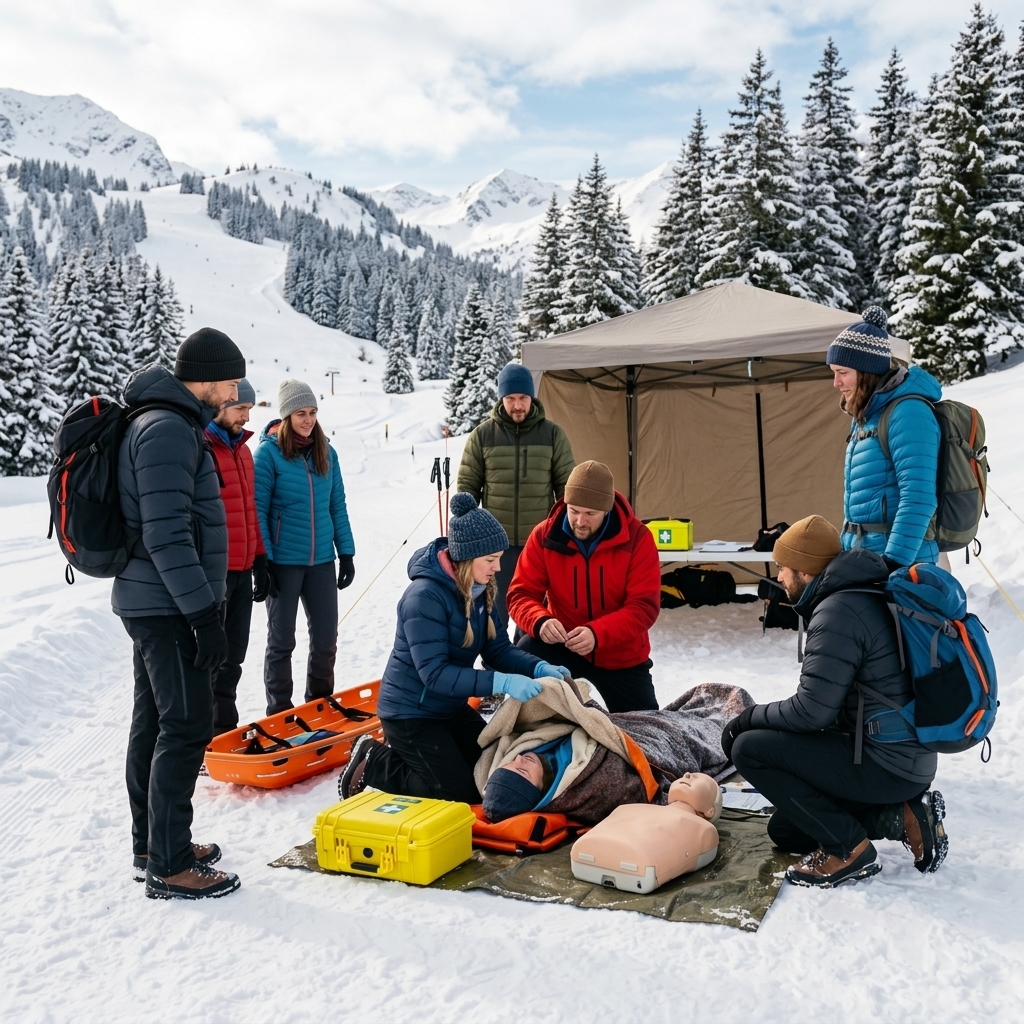
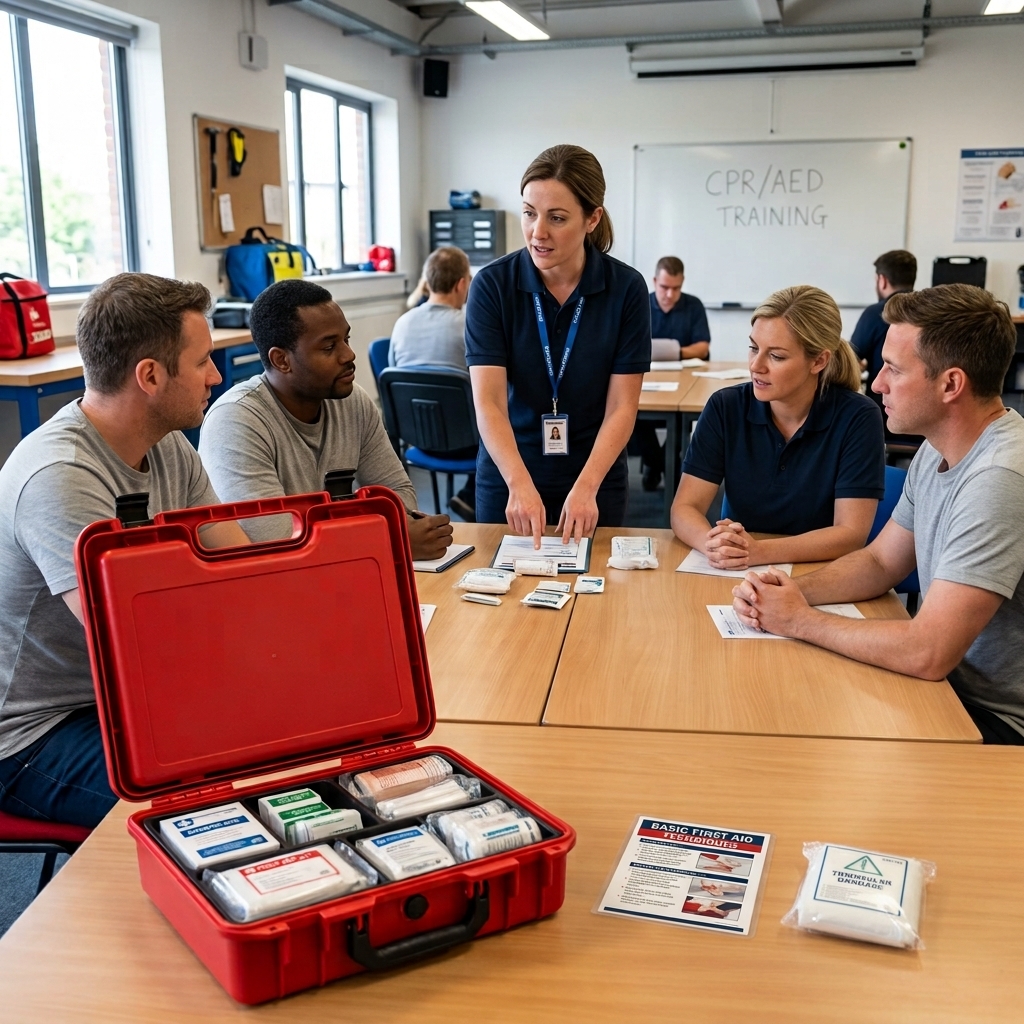
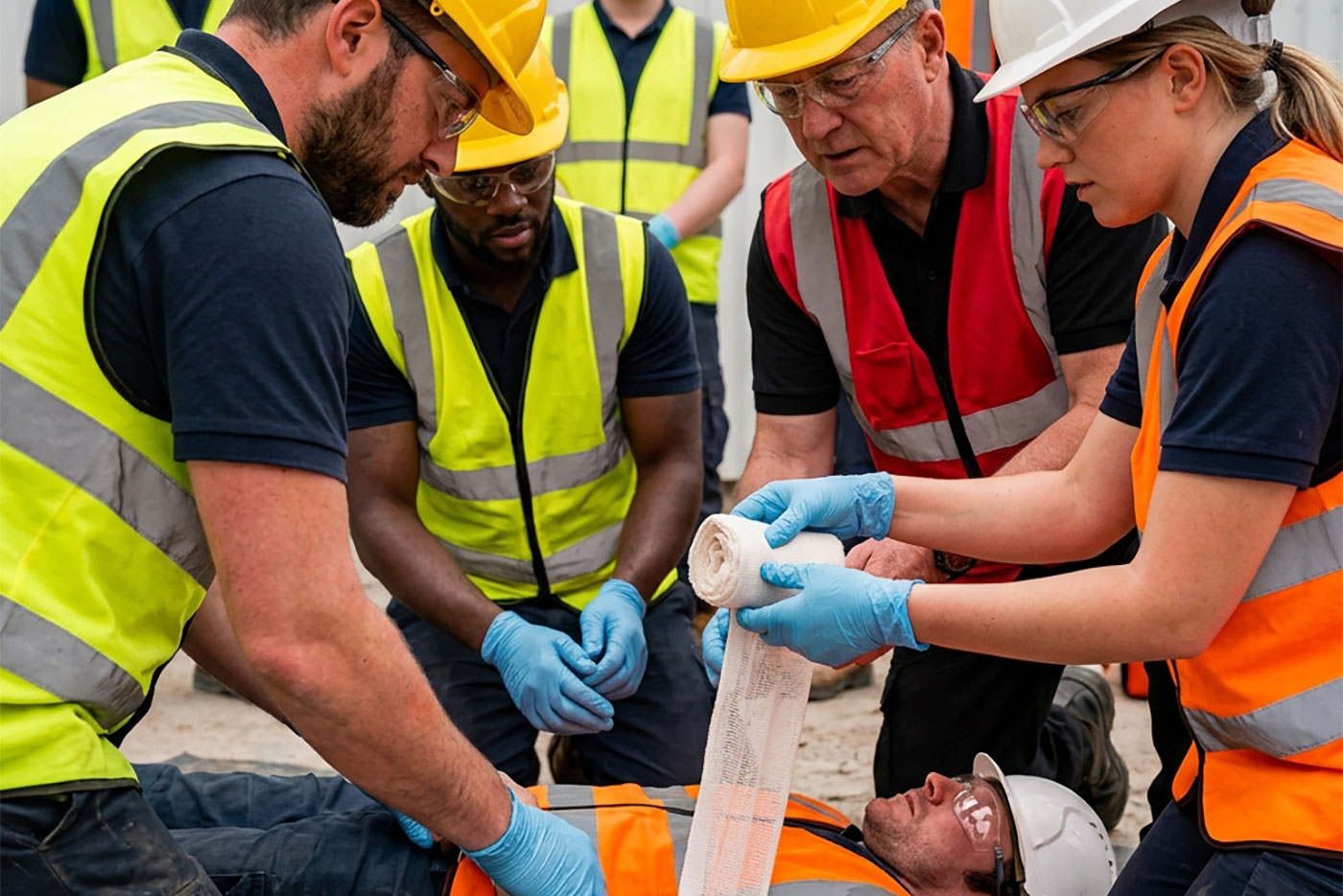
First Aid training is designed for the general public. It’s broad by intent, preparing everyday people to respond to a wide range of emergencies: cuts and bleeding, burns, fractures, choking, allergic reactions, seizures, and yes, cardiac events, including CPR and AED use. The goal is to stabilize a person and prevent their condition from worsening until professional help arrives. It’s practical, accessible, and doesn’t assume any medical background.
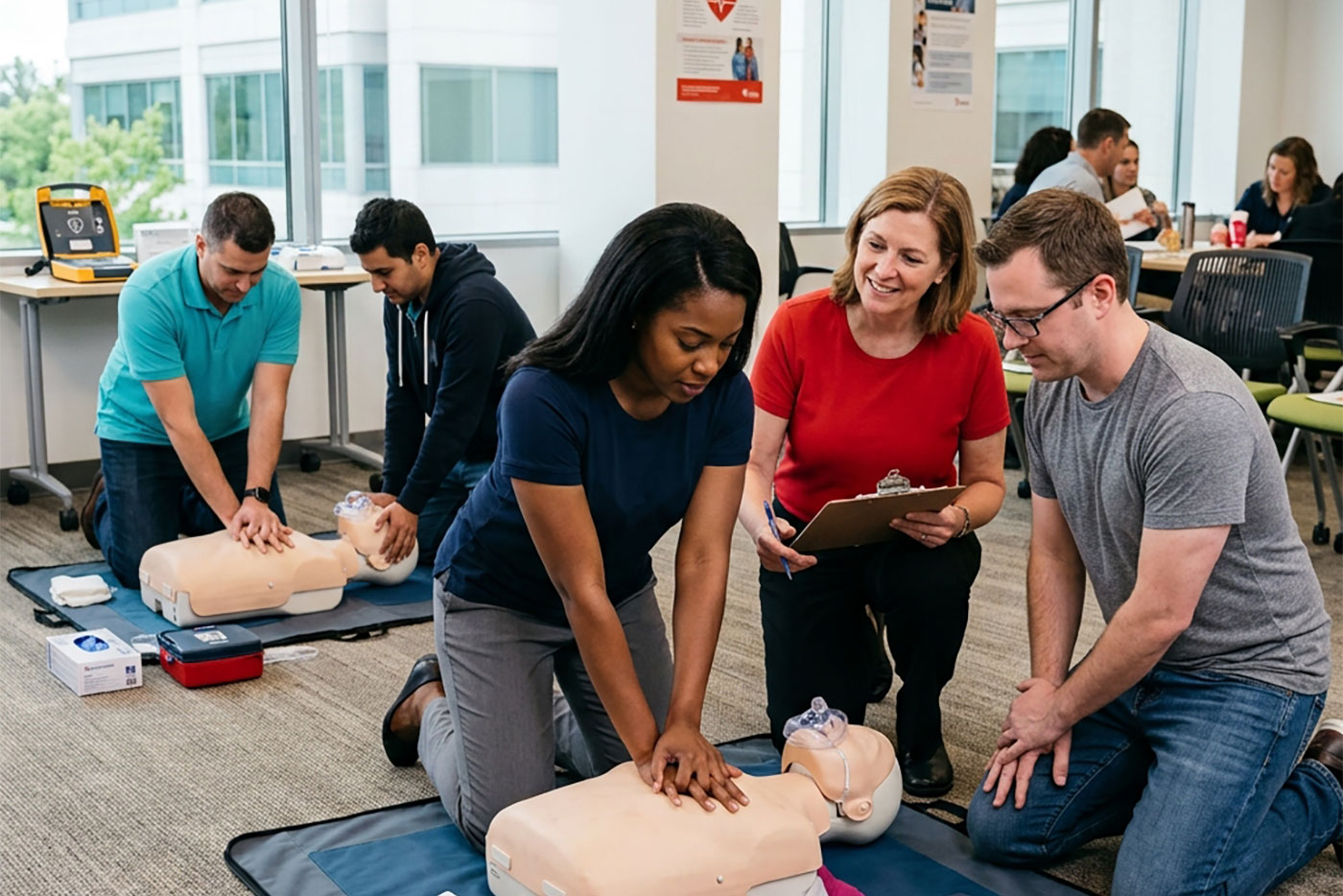
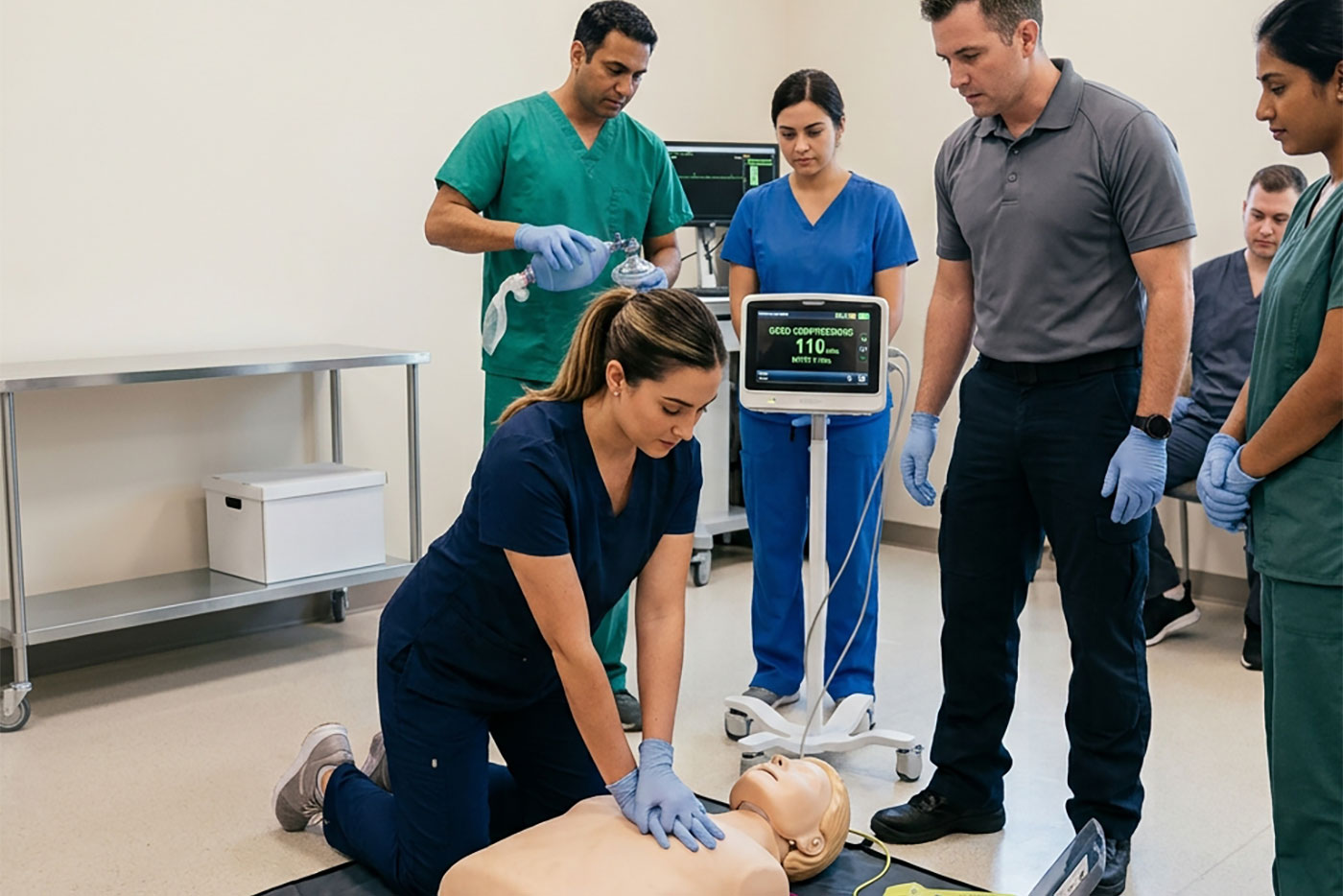
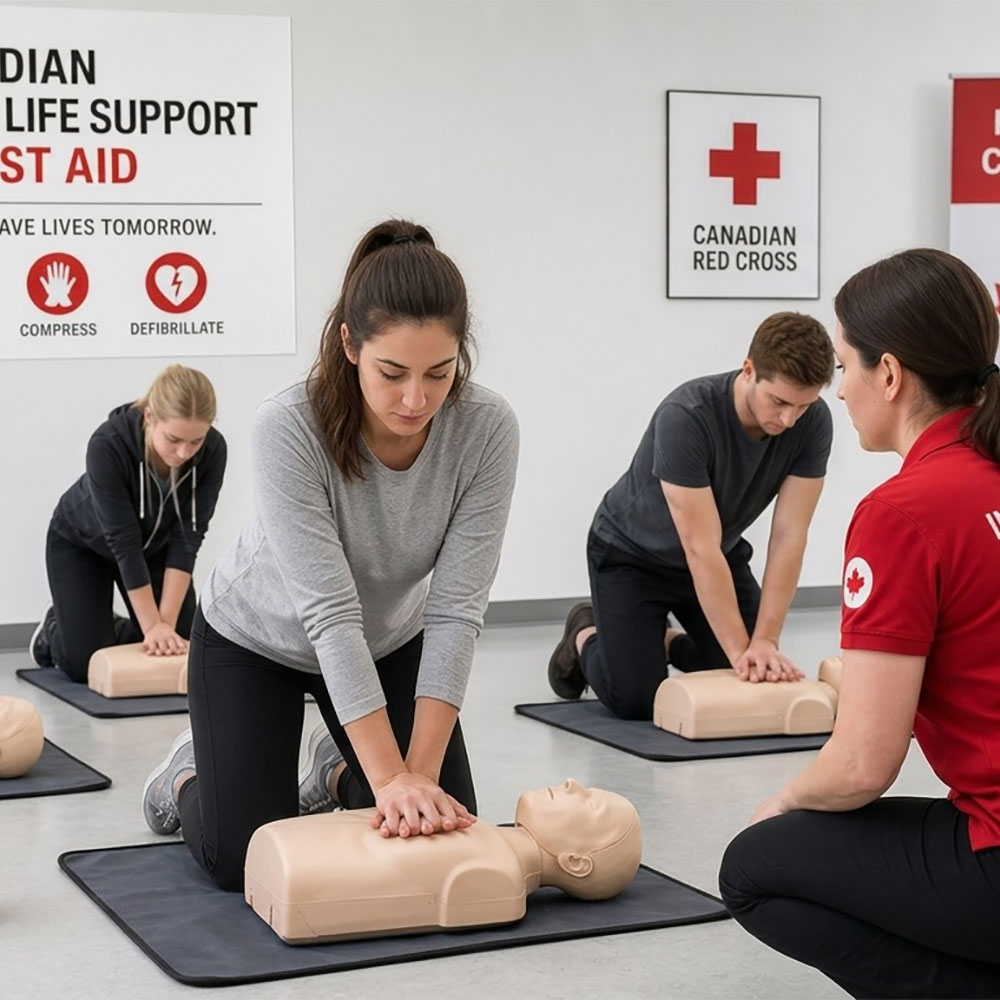
Basic Life Support (BLS) training, on the other hand, is narrower in focus but deeper in technique. It zeroes in specifically on cardiac and respiratory emergencies, teaching high-quality CPR for adults, children, and infants, proper AED use, relief of airway obstructions, and coordinated multi-rescuer response. BLS is built around clinical precision; it’s the standard used in hospitals, clinics, and professional emergency response environments.
Both First Aid and BLS certification include CPR. But the depth of that CPR training, and the context it’s taught in, is where things begin to diverge meaningfully.
First Aid Training vs. Basic Life Support BLS Course Comparison 2026
Looking at the two side by side makes the differences far clearer.
- Audience: First Aid courses are built for the general public, teachers, parents, construction workers, office staff, coaches, and anyone who wants to be prepared. BLS courses are primarily designed for healthcare providers and those working in clinical or emergency response settings.
- Scope: First Aid covers a broad spectrum of medical emergencies with moderate depth across each topic. BLS focuses tightly on cardiac and respiratory arrest, with greater technical precision and a higher expectation of skill execution.
- Scenario setting: First Aid training emphasizes community and workplace response, often involving solo responders handling situations before help arrives. BLS training regularly incorporates team-based scenarios, simulating hospital or clinic environments where multiple responders coordinate their efforts.
- Recertification cycle: First Aid certification is typically valid for three years. BLS certification is generally renewed every one to two years, reflecting the higher-acuity environment where providers operate and the need to stay current with evolving resuscitation guidelines.
- Time investment: First Aid courses tend to run longer because of the wider range of topics covered. BLS courses are often more compact but more intensive in the specific skills they evaluate.
Differences between First Aid and BLS Certification Requirements
Here is the clear breakdown of the certification differences between First Aid and BLS based on the information provided:
Feature | First Aid Certification | BLS Certification |
|---|---|---|
Core Context | Non-professional / General workplace and community readiness. | Professional standard for healthcare and medical environments. |
Target Audience | General employees, community members, and workers in standard industries. | Healthcare professionals (doctors, nurses, paramedics, dentists) and health sciences students. |
Regulatory Driver | Provincial occupational health and safety regulations (based on industry, workforce size, and hazard level). | Institutional human resources policies and academic program baseline requirements for patient-facing roles. |
Typical Requirement | A standard or emergency First Aid course that includes CPR. | A specific, professional-grade Basic Life Support credential. |
If you are working in or studying toward a healthcare-specific role, BLS is the professional expectation. If you are seeking general workplace compliance or community preparedness, First Aid is the right path
Which CPR Certification Is Best: First Aid or BLS for Healthcare Providers?
This is the question most people ultimately arrive at, and the answer is fairly straightforward: if you’re a healthcare provider or training to become one, BLS is the appropriate certification.
The reason goes beyond technicality. BLS teaches compression depth, rate, and recoil standards aligned with current resuscitation science. It trains providers to manage airways, deliver rescue breaths with a bag-valve mask, and perform seamless team-based resuscitation. These are skills that have to be second nature in a clinical setting, and BLS is specifically structured to build and maintain that level of competency.
First Aid CPR training, while genuinely valuable and life-saving in community settings, is not typically accepted as a substitute for BLS in healthcare employment. If you’re a nurse, physician, dental hygienist, or paramedic, BLS is the certification your employer and licensing body expects.
The Right Choice Is the One That Fits Your Role
Neither certification is better in an absolute sense; they’re designed for different people and different situations. What matters is matching your certification to your actual responsibilities. Providers like Canadian HSE offer both First Aid and BLS training built to current 2026 standards, making it straightforward to find exactly the training your role demands. Get the right certification, build the right skills, and be genuinely ready when it counts.