
Medical emergencies can strike anyone, anywhere, and at any time. In those critical moments where the line between life and death is measured in mere seconds, taking the right action immediately is paramount. This is exactly where Basic Life Support (BLS) training proves to be a game-changer. When a person’s heart stops beating, or they stop breathing, the time it takes for professional medical help (like an ambulance) to arrive is incredibly hazardous for the patient. If someone equipped with BLS knowledge is present on the scene, they can sustain a fading life. Let us dive deep into understanding the importance of Basic Life Support BLS training, the benefits of saving lives, and how it serves as a shield for our communities and loved ones.
What is BLS and why is it Essential?
Basic Life Support (BLS) is a combination of medical procedures and skills administered to a victim of a life-threatening illness or injury until they can receive full medical care at a hospital. The primary objective of this training is to maintain blood circulation and oxygen supply to the brain and heart, preventing permanent organ damage or brain death.
When someone suffers from sudden cardiac arrest, their chances of survival drop by 7% to 10% with every passing minute without intervention. However, if a certified bystander is present, the narrative changes entirely. This is why Canadian HSE remains a trusted name in safety and lifesaving courses.
How BLS Certification Impacts Survival Rates in Emergencies
How BLS certification impacts survival rates in emergency response
Research and global health statistics consistently demonstrate that communities with higher rates of BLS-certified individuals experience significantly better patient survival rates during medical crises.
- Immediate and Confident Action: Bystanders often panic during emergencies because they do not know what to do. A trained individual eliminates wasted time, immediately activates the Emergency Response system, and begins initial care.
- Early Initiation of CPR: When bystander CPR is initiated immediately after out-of-hospital cardiac arrest, it can double or even triple a victim’s chance of survival.
- Protection against Brain Death: The human brain can only survive 4 to 6 minutes without oxygen. Through artificial respirations and chest compressions, BLS training teaches you how to keep the brain viable until advanced medical teams arrive.
The Curriculum: The Crucial Contribution of CPR and AED Knowledge
BLS training courses curriculum CPR AED knowledge contribution
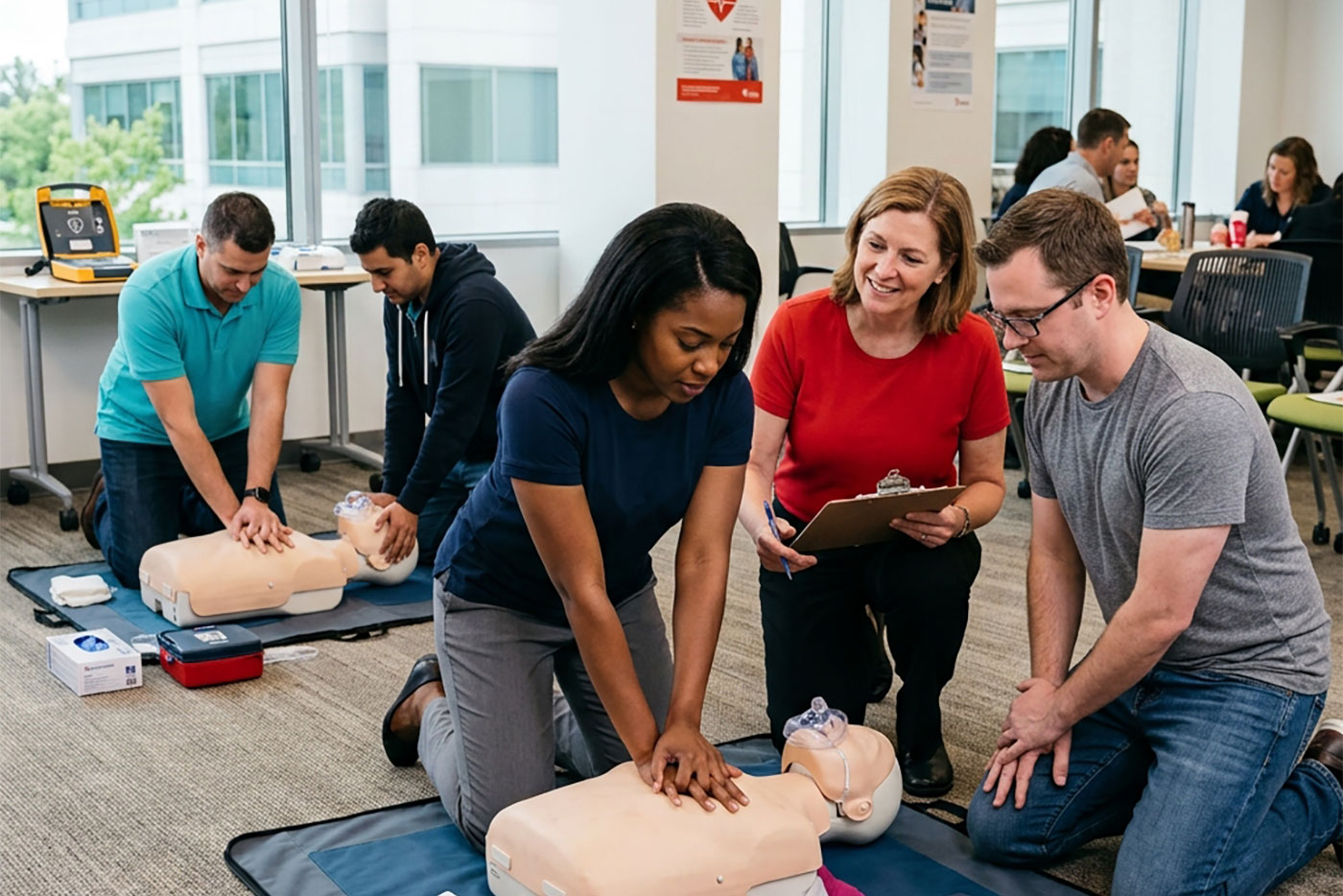
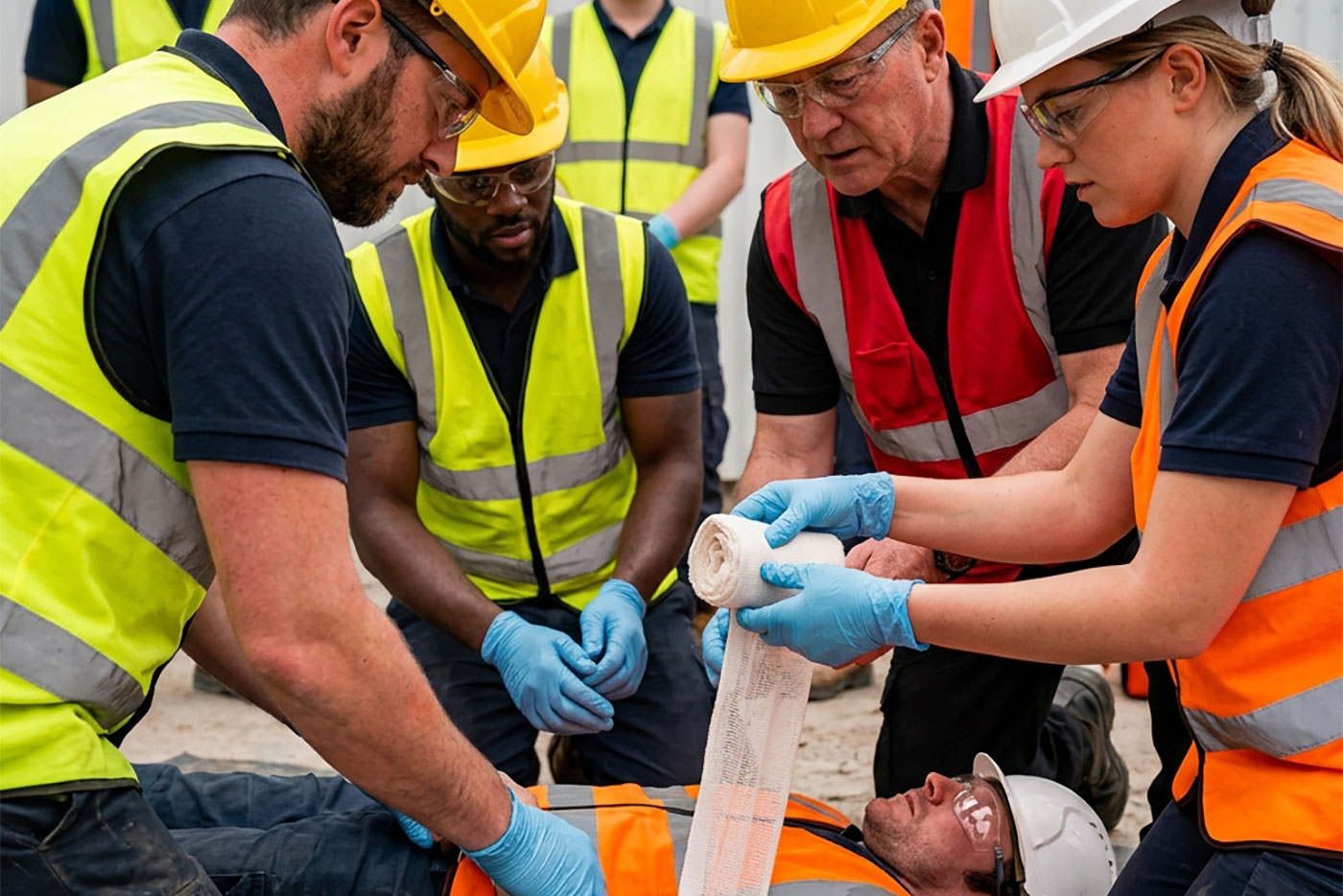
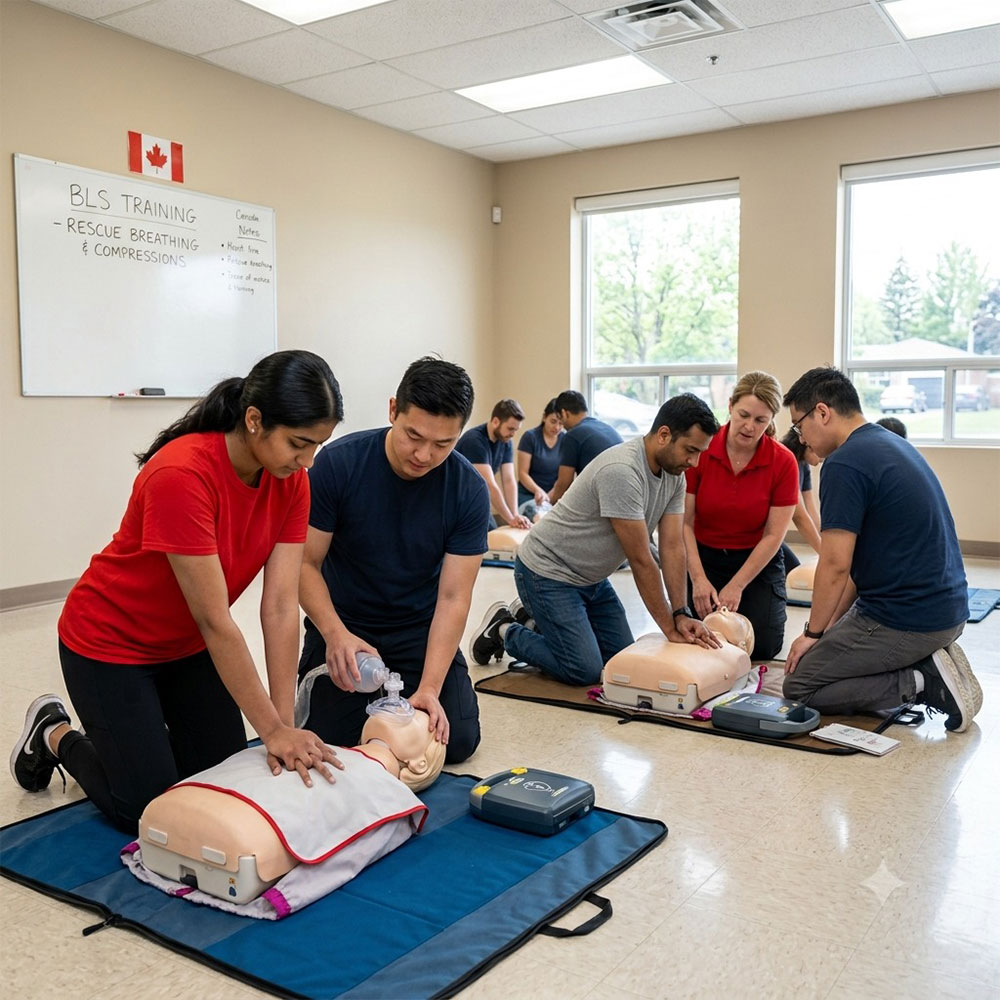
A high-quality BLS course curriculum goes beyond theoretical concepts, placing heavy emphasis on hands-on, practical training. A core element of this education involves mastering the principles of Red Cross First Aid & CPR AED.
The vital skills covered in a standard BLS curriculum include:
- High-Quality CPR (Cardiopulmonary Resuscitation): Participants learn the exact rate and depth required for chest compressions to keep oxygenated blood flowing. The training covers distinct methodologies for adults, children, and infants, as techniques vary widely based on age.
- AED (Automated External Defibrillator) Utilization: Many untrained people fear using an AED, but a BLS course completely demystifies the device. Students learn how to deploy this automated machine, which analyzes the heart rhythm and, if necessary, delivers a safe electric shock to help reset the heart into a healthy rhythm.
- Choking Relief: The curriculum also equips individuals with the skills needed to clear severe airway obstructions in conscious and unconscious victims (such as the Heimlich maneuver).
Benefits of BLS Certification for Healthcare Professionals & the Community
The value of BLS training extends far beyond clinical environments; it is an invaluable asset for every member of society.
For Healthcare Professionals
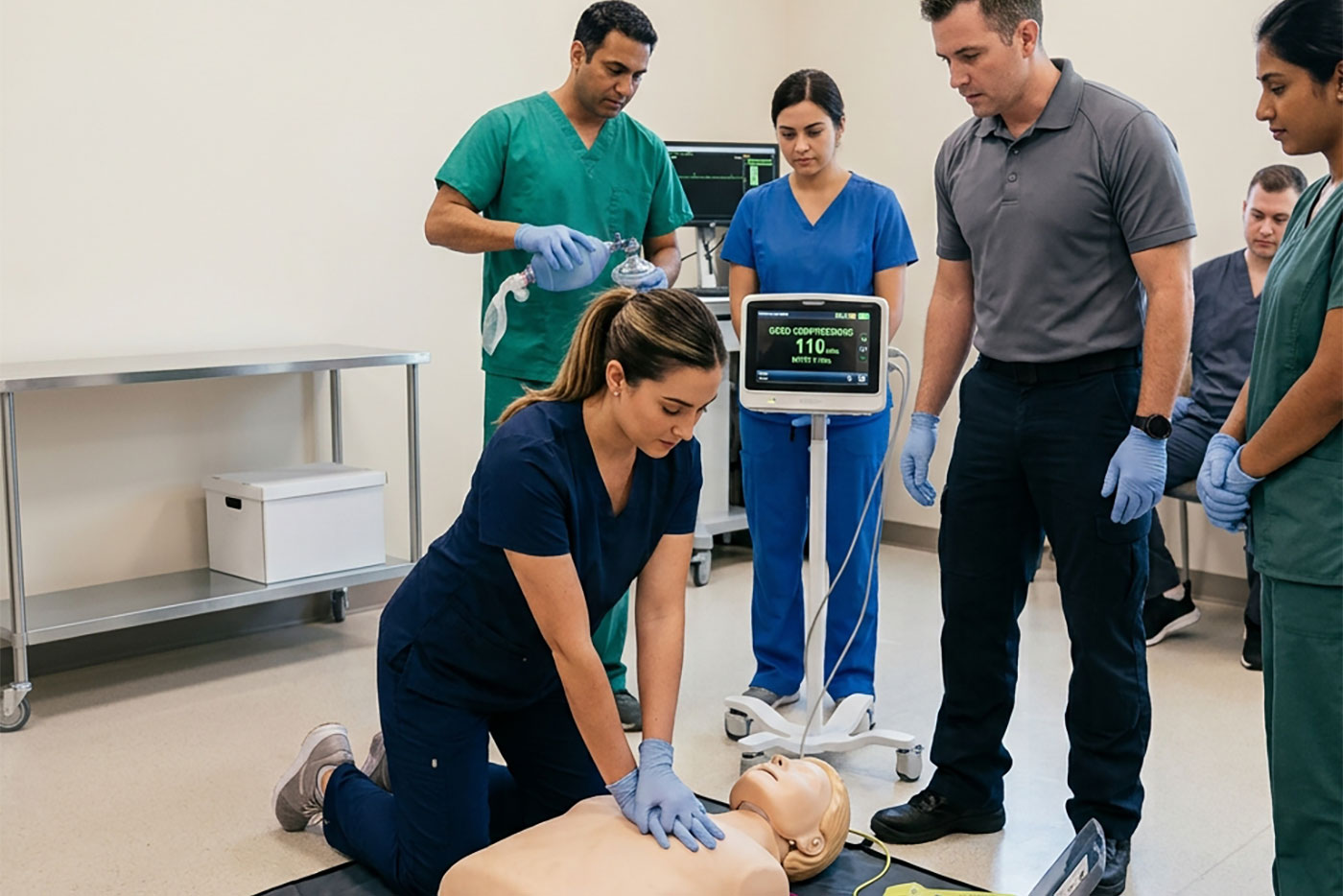
For doctors, nurses, paramedics, and allied healthcare staff, maintaining an active BLS certification is a mandatory professional requirement. It sharpens their emergency clinical skills, ensures seamless teamwork during code blues or trauma situations, and remains a foundational building block for career advancement.
For the General Community
For everyday citizens such as school teachers, fitness trainers, daycare providers, or industrial factory workers BLS training acts as a superpower. Armed with this knowledge, you transition from being a helpless bystander to an active lifesaver. It empowers you to provide a safer environment for your elderly relatives, children, colleagues, and neighbors
Human life is priceless, and even the smallest step taken toward protecting it can create a massive ripple effect
Undergoing Basic Life Support (BLS) training is more than just gaining a certificate; it is about acquiring the capability to step up when someone’s life hangs in the balance.
If you are ready to learn these invaluable lifesaving skills and become a certified asset to your community