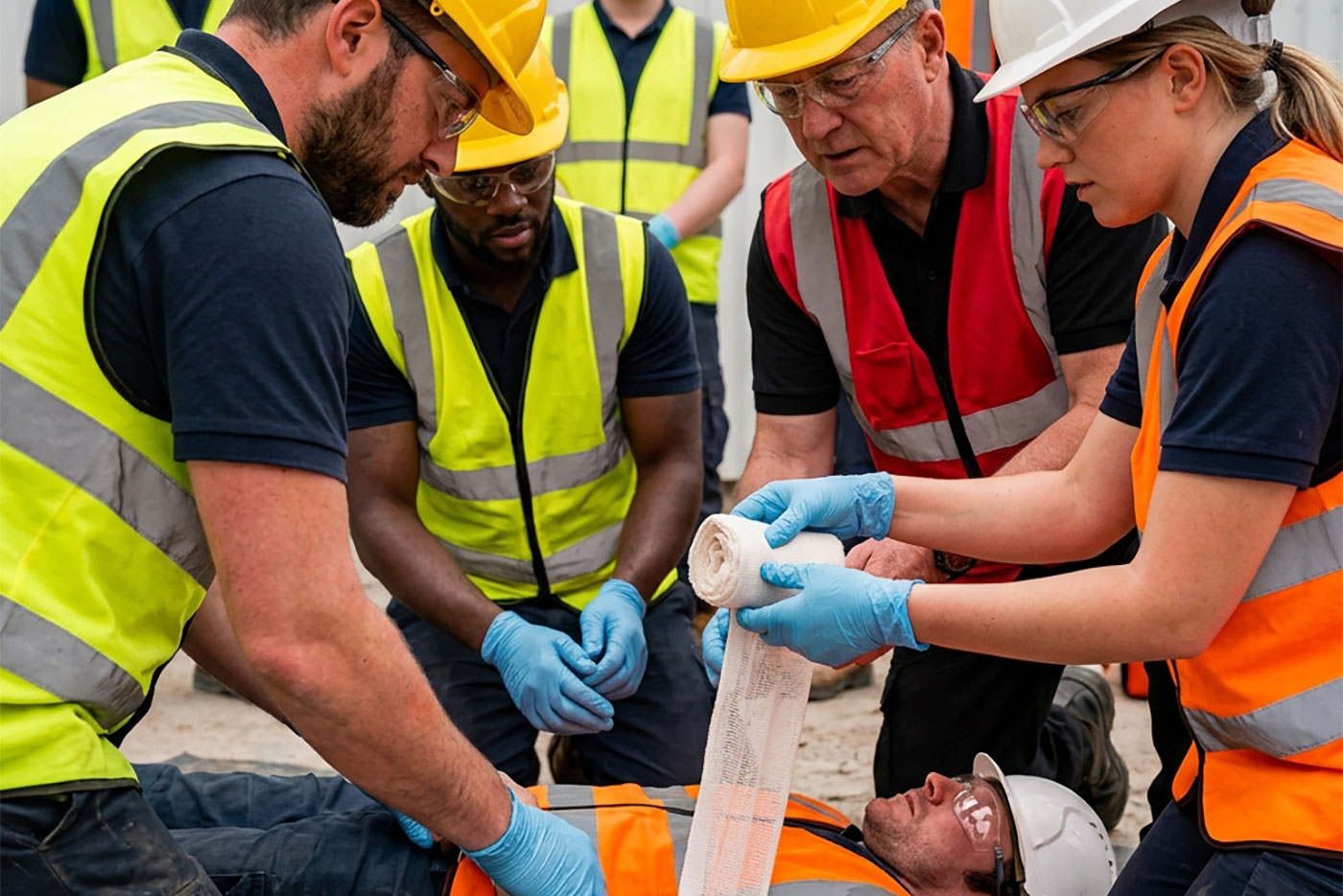


In the aftermath of an accident, natural disaster, or sudden trauma, we often focus immediately on physical injuries. However, the deep emotional wounds left on the human mind are frequently overlooked. This is where Psychological First Aid (PFA) becomes a vital lifeline. To effectively help others during these times, understanding the balance between empathy and personal stability is key. This is why many people are now focusing on a Self-Care & Wellness Course to build the resilience needed to help others without burning out.
What is Psychological First Aid?
Just as we use a bandage to stop physical bleeding, PFA is a method of providing immediate emotional support to someone in distress. It is not professional therapy or counseling; rather, it is a practical, human response designed to reduce the initial stress caused by traumatic events.
Why PFA and Self-Care Matter in a Crisis
When a person experiences a crisis, their mind enters a state of high tension. PFA helps stabilize them by:
- Restoring a Sense of Safety: Reducing fear and anxiety through a calm presence.
- Meeting Immediate Needs: Helping with essentials like food, water, or contacting loved ones.
- Preventing Long-Term Trauma: Early intervention can significantly lower the risk of conditions like PTSD.
However, being a helper can be emotionally draining. Engaging in a Self-Care & Wellness Course ensures that you have the mental tools to manage your own stress while providing a pillar of strength for those in need.
The Three Core Principles of PFA (Look, Listen, Link)
Providing psychological support follows three simple, actionable steps:
- Look: Assess the environment for safety. Identify who has urgent basic needs or who is showing signs of severe distress.
- Listen: Approach the person, introduce yourself, and listen to their concerns. You don’t need to pressure them to talk; simply being a supportive listener is often enough.
- Link: Help the individual connect with their family, information, and social support. Link them to medical or professional help if required.
Gaining the Right Skills
Today, many organizations offer training courses about Psychological First Aid with Self-Care & Wellness. These programs are designed for teachers, parents, and volunteers, providing the practical skills needed to foster community recovery and personal well-being.
Final Thoughts
Mental health support isn’t just for doctors. If you get the right training, then you will become the light in someone’s darkest hour. Remember, when you take care of yourself, you can take care of others effectively.