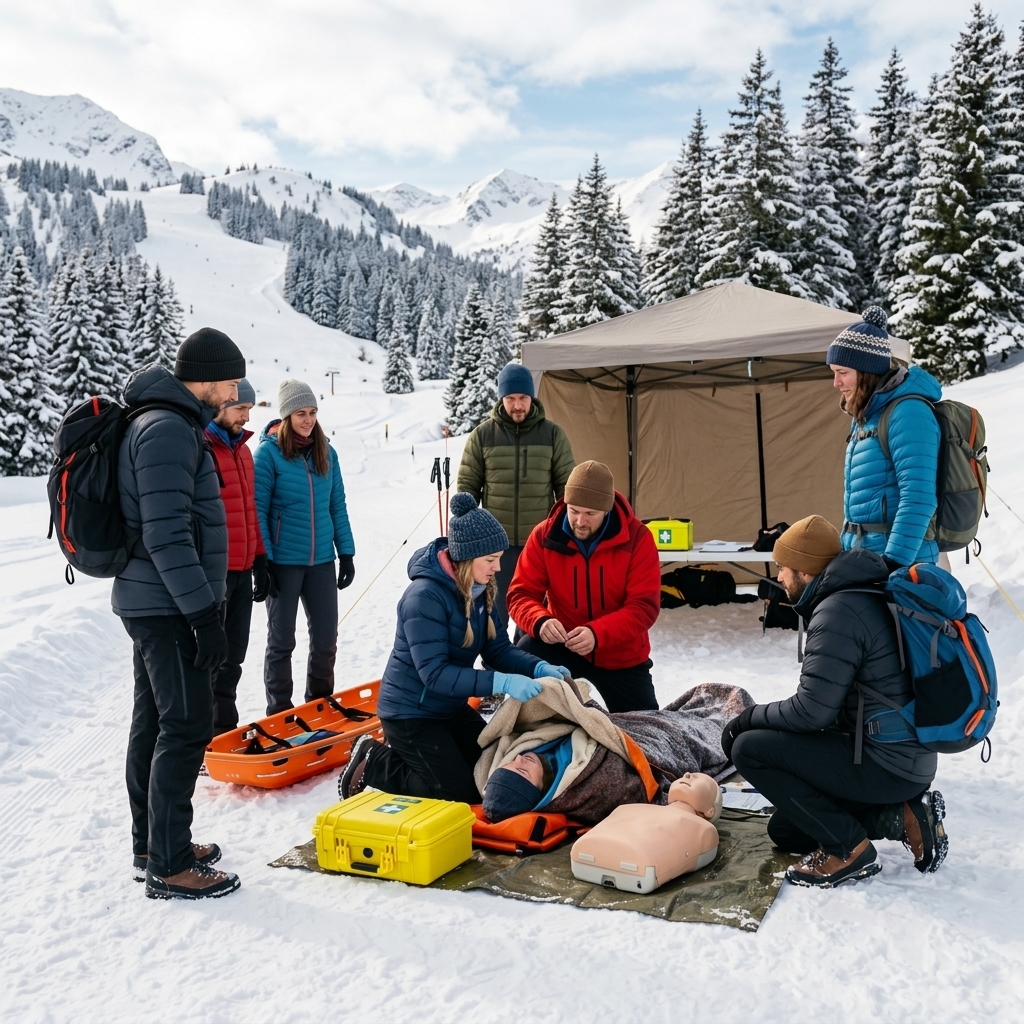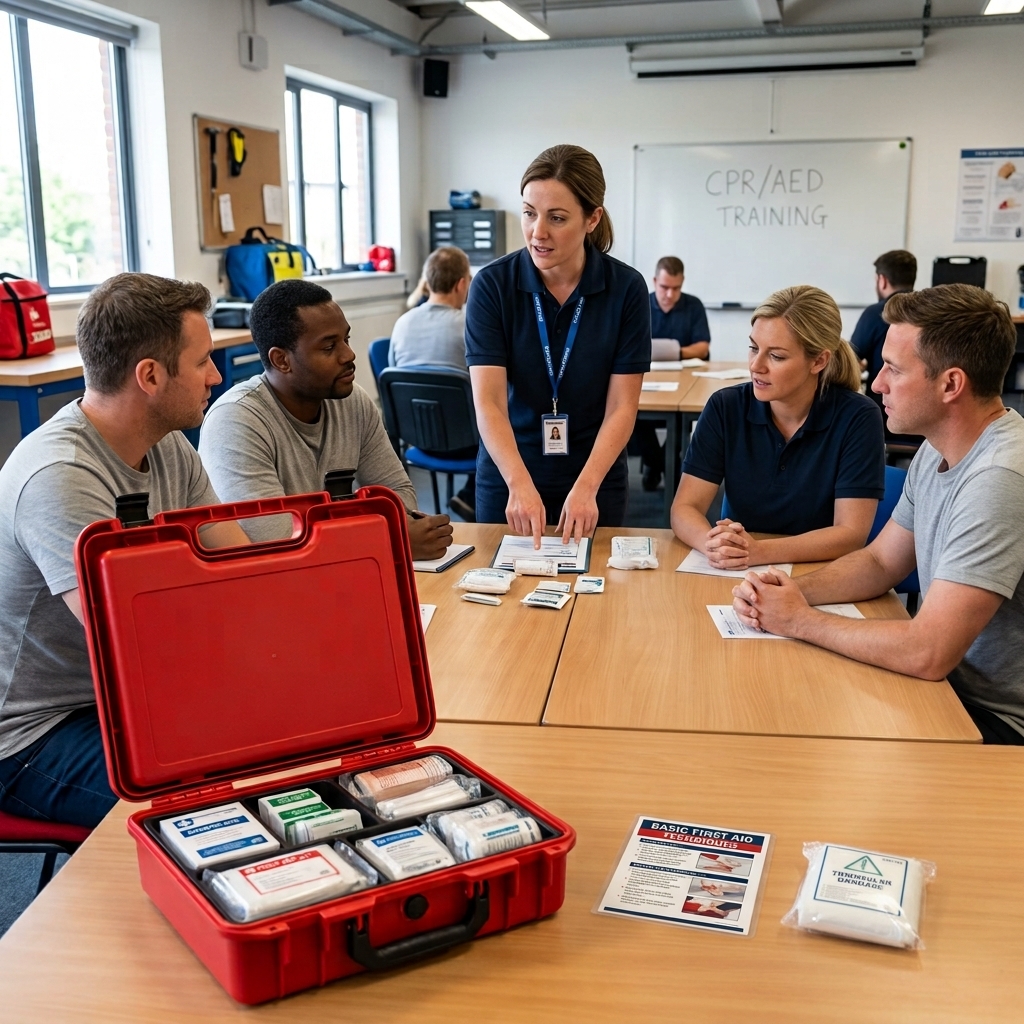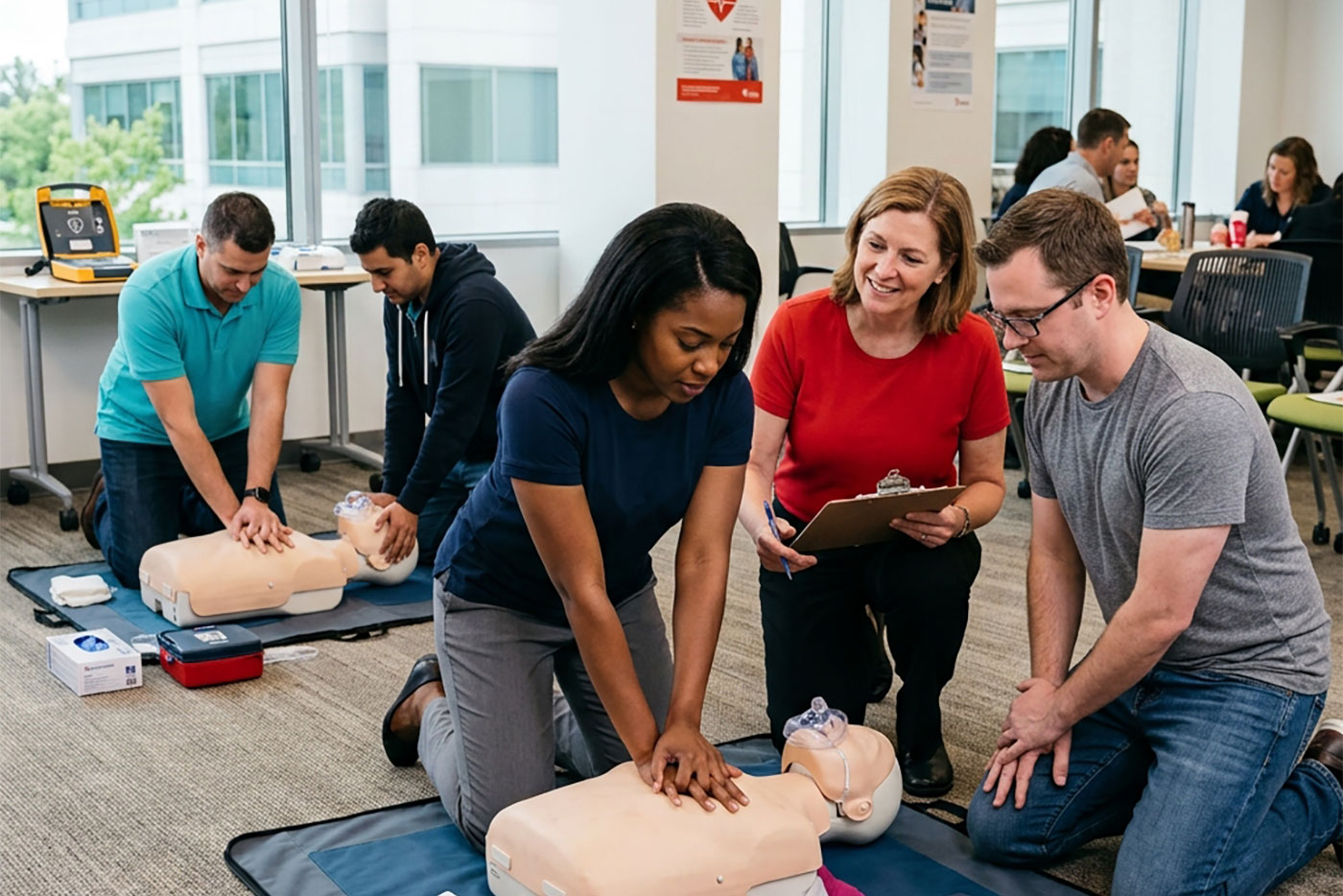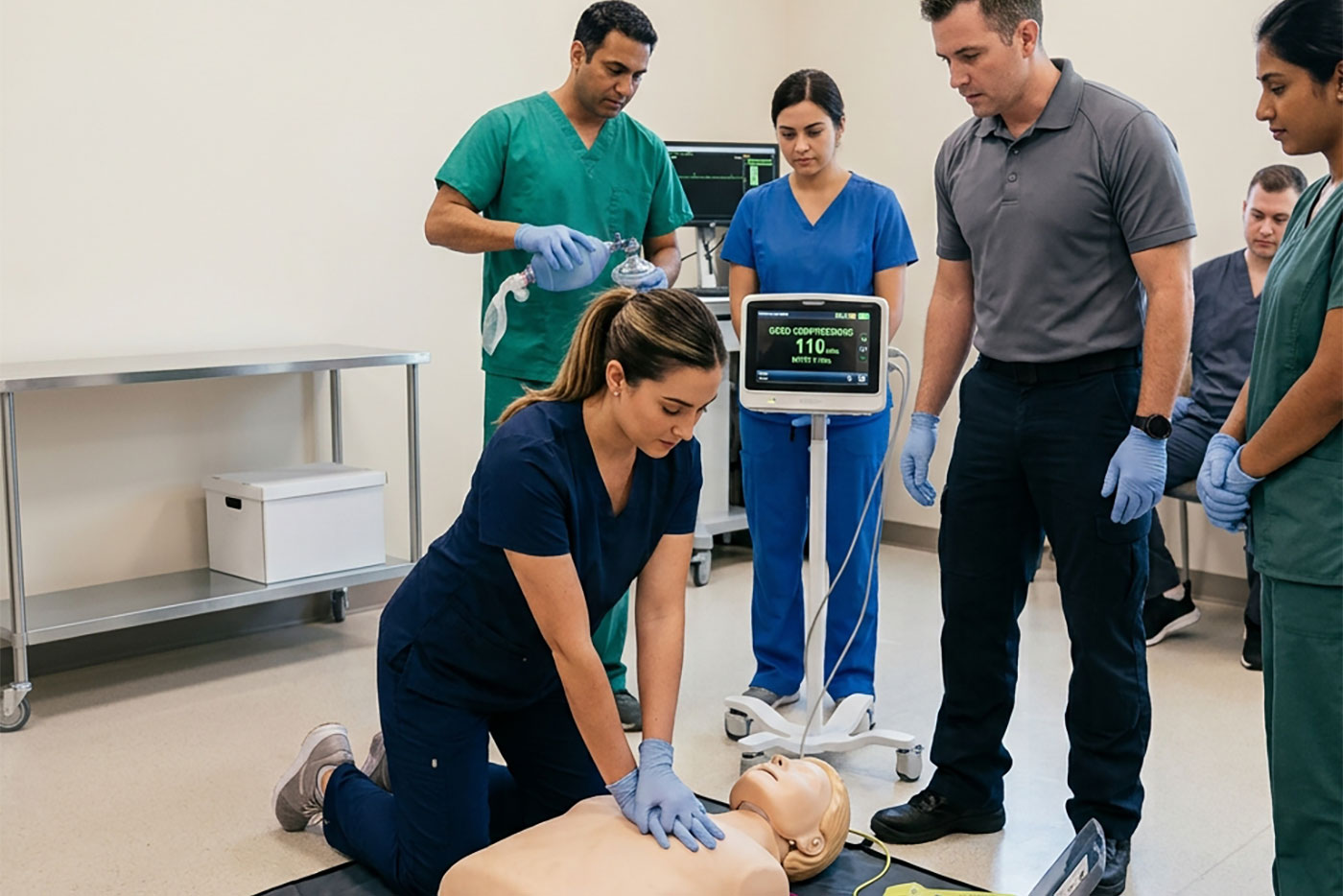

Nobody plans to be in an emergency. But emergencies don’t wait for a convenient moment. Every day across Canada, people experience cardiac arrest in homes, offices, and public spaces far from a hospital, with help still minutes away. What happens in those minutes depends almost entirely on whether someone nearby is trained. That someone could be you. Red Cross First Aid & CPR/AED
What the Certification Covers
The Canadian Red Cross is one of the world’s most trusted names in emergency preparedness. Their First Aid & CPR AED programs are evidence-based, regularly updated, and built for everyday people, not just healthcare workers.
Certification covers three essential skills:
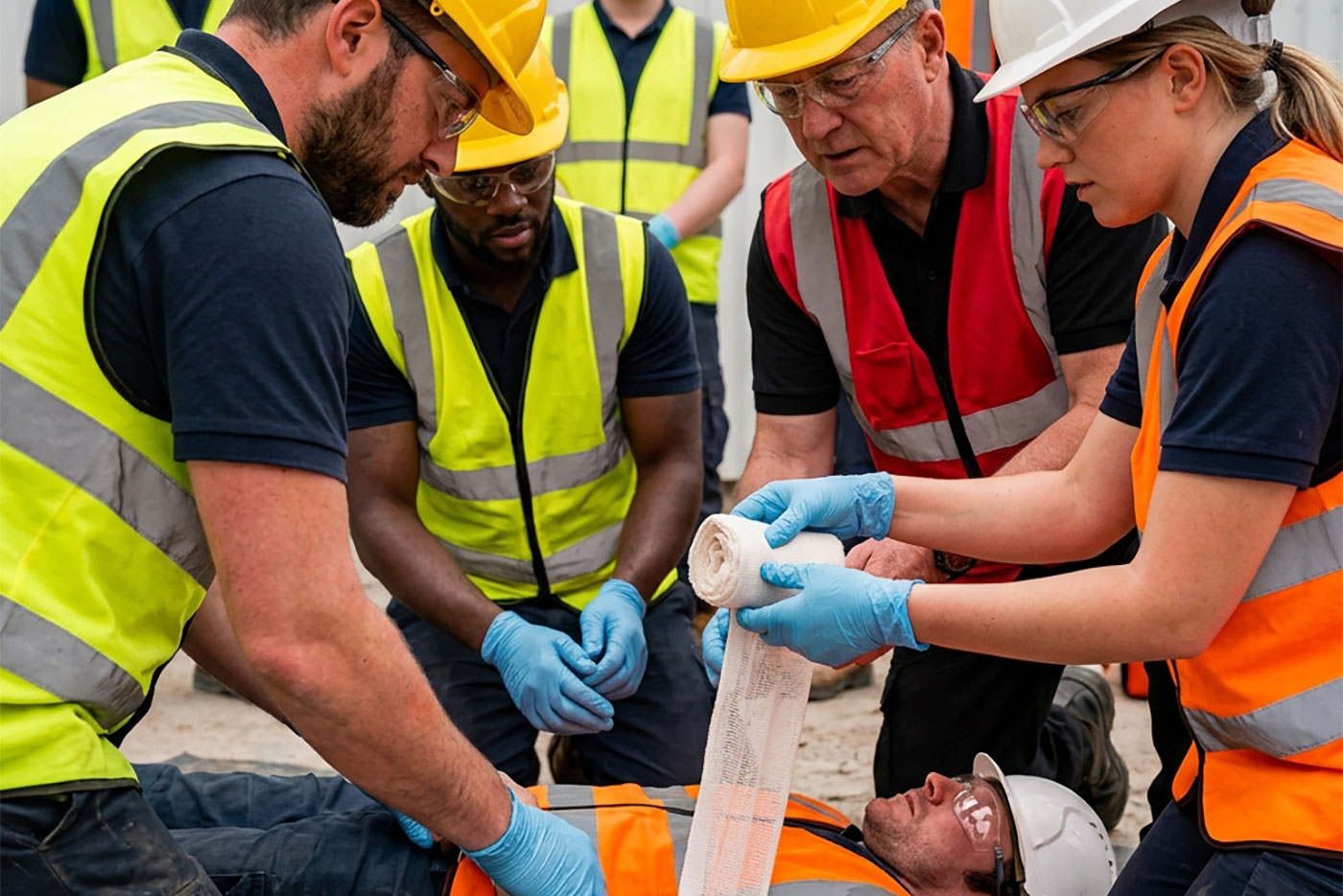
- First Aid: responding to bleeding, burns, choking, anaphylaxis, fractures, stroke, and more
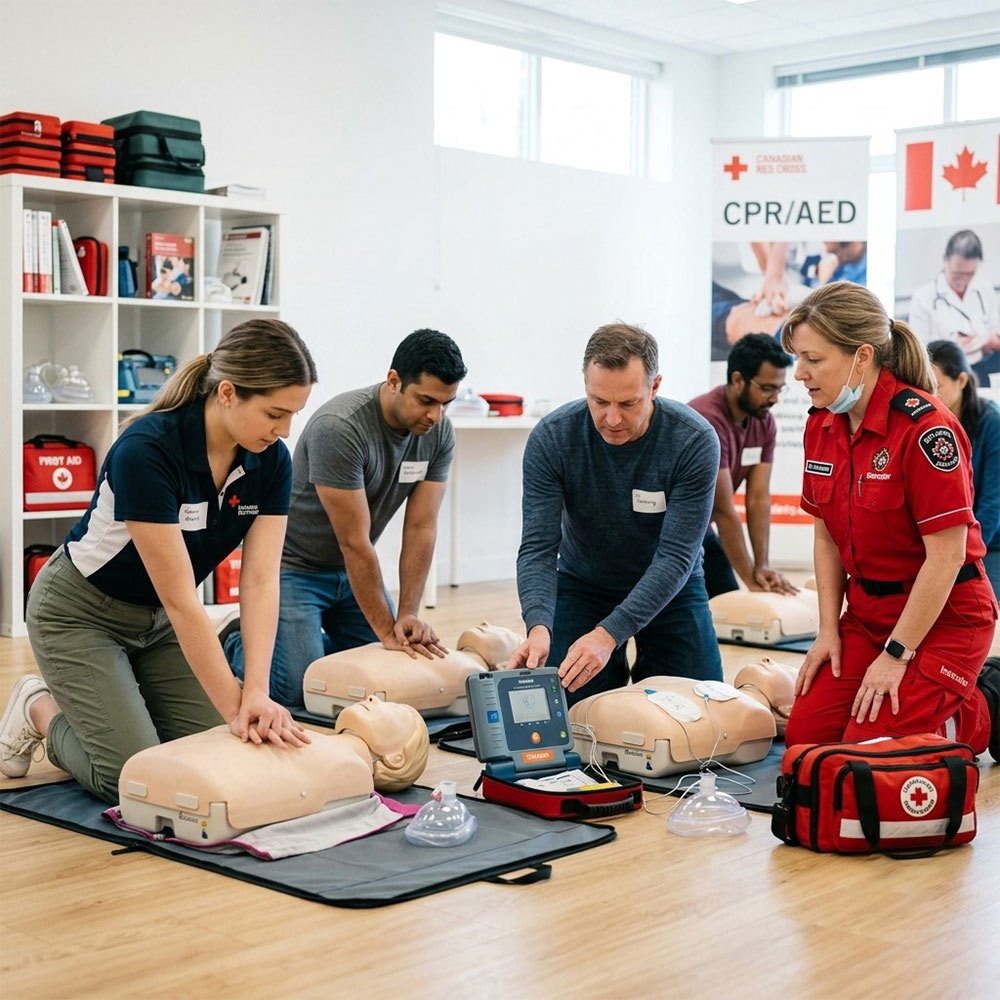
- CPR: manually circulating blood when someone’s heart has stopped
- AED Use: operating a defibrillator to restore a normal heart rhythm during cardiac arrest
Together, these skills form a complete emergency response toolkit proven to save lives.
Why Red Cross First Aid and CPR AED Training Is Essential in Canada
Canadian emergency response times average 6 to 12 minutes. Brain damage from cardiac arrest begins within 4 to 6 minutes. That gap is where trained bystanders make the difference.
Cardiac arrest is more common than most realize. Tens of thousands of Canadians experience it outside hospitals every year. Without bystander CPR, survival rates fall below 10%. With prompt CPR and AED use within 3 to 5 minutes, survival can exceed 70%.
Most emergencies happen close to home. The majority of cardiac arrests occur at home near family. Getting certified means being ready for the people who matter most, not just strangers.
Workplaces require it. Across Canada, occupational health and safety legislation mandates certified first aid personnel on worksites. Ontario’s Regulation 1101, along with similar laws in BC, Alberta, and other provinces, makes Red Cross First Aid CPR AED certification a legal necessity for many employers and employees. Canada’s population is aging. With older adults in communities and workplaces, the likelihood of witnessing a cardiac or respiratory emergency is rising.
Canadian Red Cross Certification Benefits
Beyond crisis response, Canadian Red Cross certification delivers real, lasting advantages:
- Confidence to act: training replaces the fear of “doing it wrong” with a clear, practiced plan
- Nationally recognized credentials: accepted by employers, regulators, and licensing bodies in every province
- Career value: essential in healthcare, education, childcare, fitness, construction, and hospitality
- Safer everyday awareness: certified people naturally recognize hazards and prevent incidents before they escalate
- Peace of mind: knowing you can genuinely help when it counts is something you carry with you always
Red Cross First Aid CPR, AED Courses: Canada Requirements 2026
The Canadian Red Cross offers tiered certifications to fit different needs:
- Emergency First Aid & CPR/AED (Level A or C): One day. Covers CPR, AED, choking, wound care, and life-threatening emergencies. Level C includes infant and child CPR, the standard for most workplaces.
- Standard First Aid & CPR/AED (Level C): Two days. The most comprehensive and widely required certification for workplace compliance across Canada. Covers the full range of first aid scenarios.
- Basic Life Support (BLS): For healthcare professionals needing advanced CPR and resuscitation competency.
- Recertification: Red Cross certifications are valid for three years. If you were certified in 2023 or earlier, renewal is due. Recertification courses are shorter and designed to refresh skills efficiently.
Get Certified with Canadian HSE
Canadian HSE is a trusted provider of Red Cross First Aid & CPR AED training across Ontario and Canada. Courses are delivered by certified instructors, meet all provincial workplace requirements, and are available for individuals, families, and corporate groups.
Whether it’s your first certification or a 2026 renewal, Canadian HSE makes the process simple from registration to certification.
Be Ready Before You Need to Be
Nobody who holds a certification regrets getting it. The course takes one to two days. The skills stay with you for life, and someday, they could save one.
Visit canadianhse.ca to find a course near you and take the step that makes everyone around you safer.