
Emergencies rarely give warning. A coworker collapses, a child chokes at dinner, or a neighbor slips on ice. Paramedics respond quickly; however, they cannot always arrive in time. That is why First Aid and CPR certification in Ontario matters so much. Trained bystanders can step in during those critical first minutes.
The Numbers behind the Urgency
In Canada, an estimated 60,000 cardiac arrests happen outside hospitals every year. However, only about one in ten people survive. Fast CPR and an AED can double those odds, according to Heart & Stroke Foundation data. Therefore, every trained person makes a real difference. Bystanders are often the first responders.
How CPR-C/AED Training Helps
CPR keeps blood flowing to the brain and heart. Meanwhile, an AED checks the heart rhythm and guides you with voice prompts. Together, they give someone the best chance of survival. Training also teaches you how to handle choking, bleeding, burns, and shock. As a result, you respond with skill instead of panic.
Top 7 Benefits of Getting First Aid & CPR Certification in Ontario
Here are the top seven reasons to get certified.
- You can save a life. Quick CPR and AED use can restart a heart before paramedics arrive.
- You act with confidence. Clear steps replace fear, and you stay calm under pressure.
- You protect your workplace. In addition, certified staff help employers meet Ontario Regulation 1101.
- You keep your family safe. For example, you can help a choking child or an injured relative.
- You stop small injuries from worsening. Proper wound care and bleeding control reduce complications.
- You strengthen your community. Moreover, trained neighbors make public spaces safer.
- You earn a recognized credential. Certification lasts three years, and it strengthens your résumé.
Everyday Situations Where Training Helps
Emergencies happen in ordinary places. Your skills can matter at home, at work, or on the road.
- A family member chokes during a meal.
- A coworker faints in the lunchroom.
- A player collapses during a weekend game.
- A driver is injured in a minor crash.
- A child suffers a deep cut at the playground. Each moment calls for calm, quick action. Therefore, practiced skills make a big difference.
Why Employers Value Certified Staff
Safe workplaces start with prepared people. Certified employees respond faster when someone gets hurt. In addition, they help reduce downtime after an incident. Employers also build trust when staff feel protected. As a result, many businesses train whole teams together.
Who Should Get Certified?
Almost everyone benefits from training. For instance, these groups gain the most
- Parents and caregivers, who face frequent risks at home.
- Teachers, coaches, and childcare workers, who supervise children daily.
- Office staff and tradespeople, who work near others every day.
- Older adults, who may need to help a spouse or friend.
What a Typical Course Includes
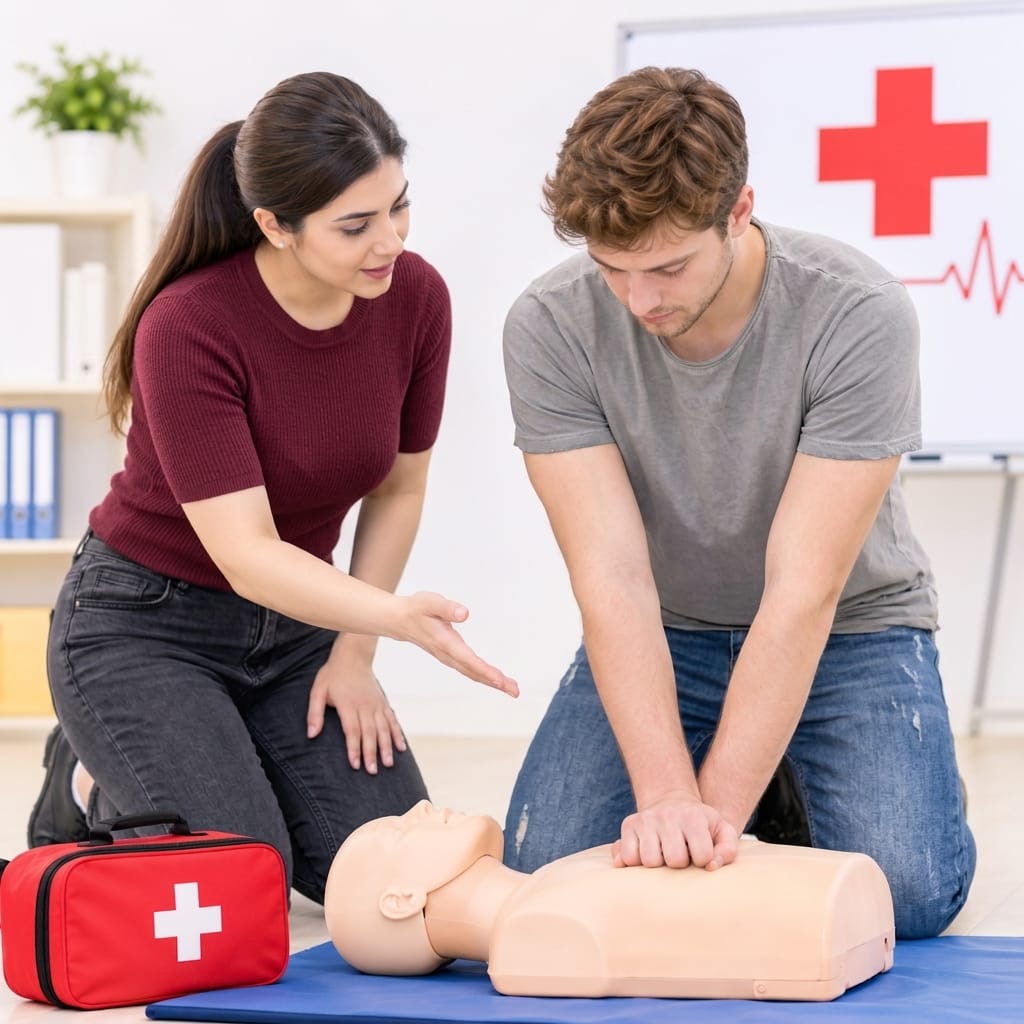
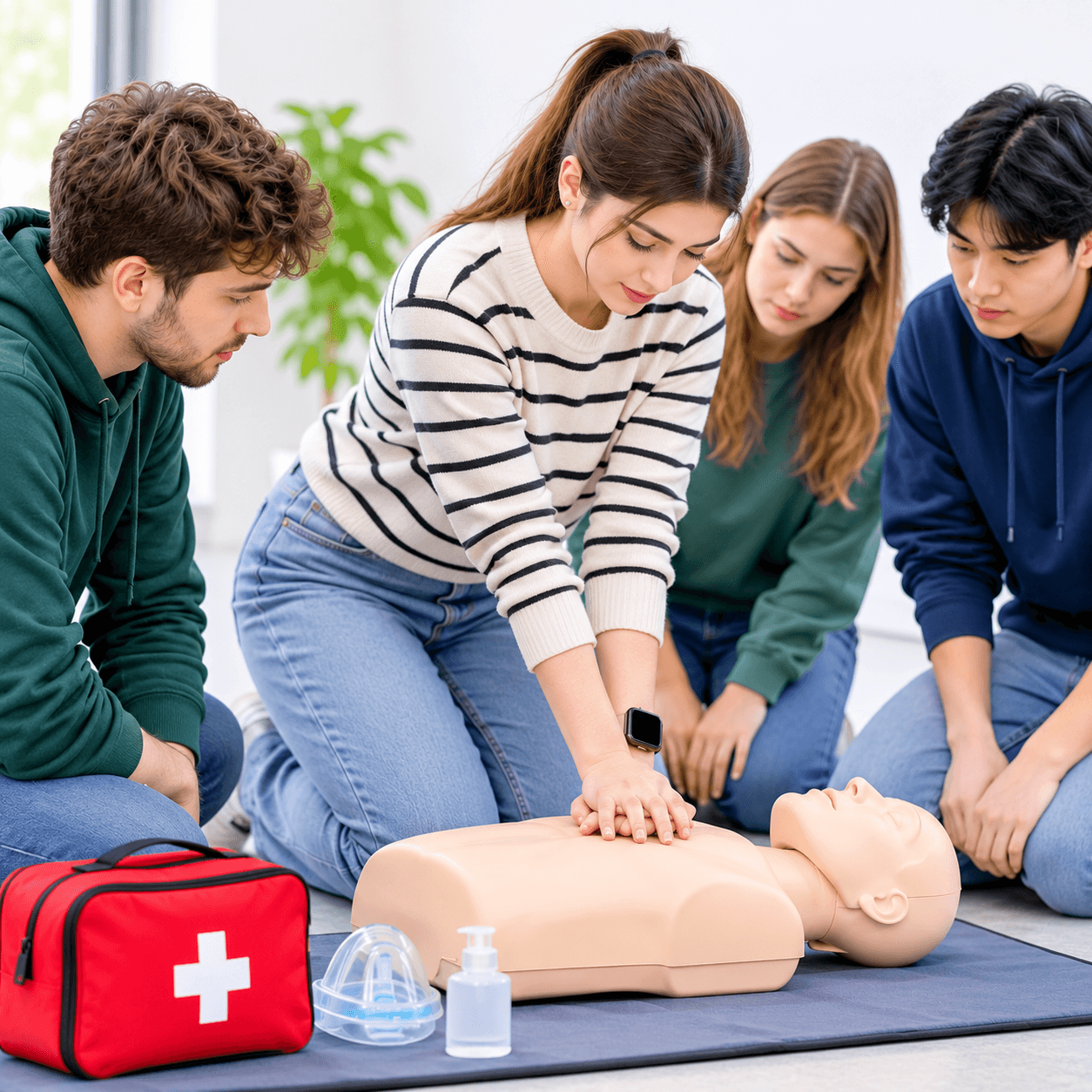
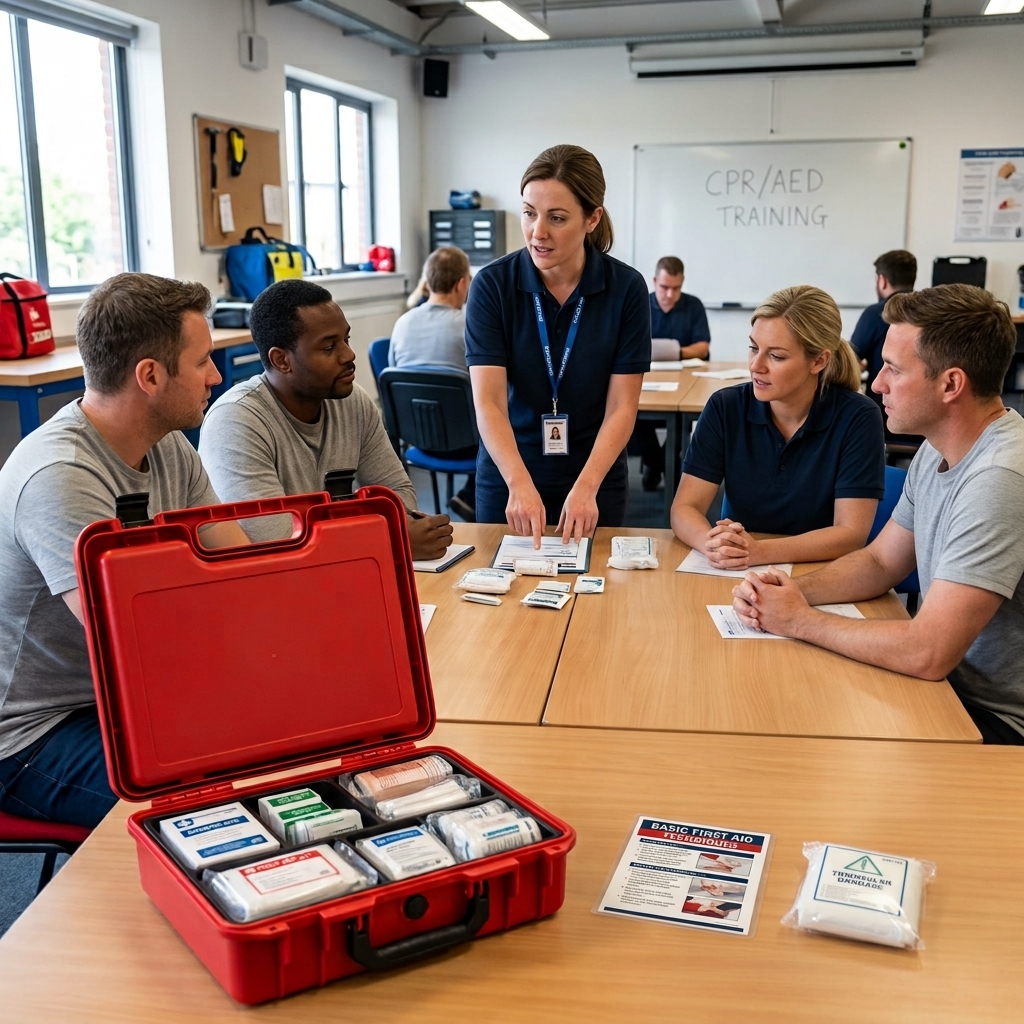
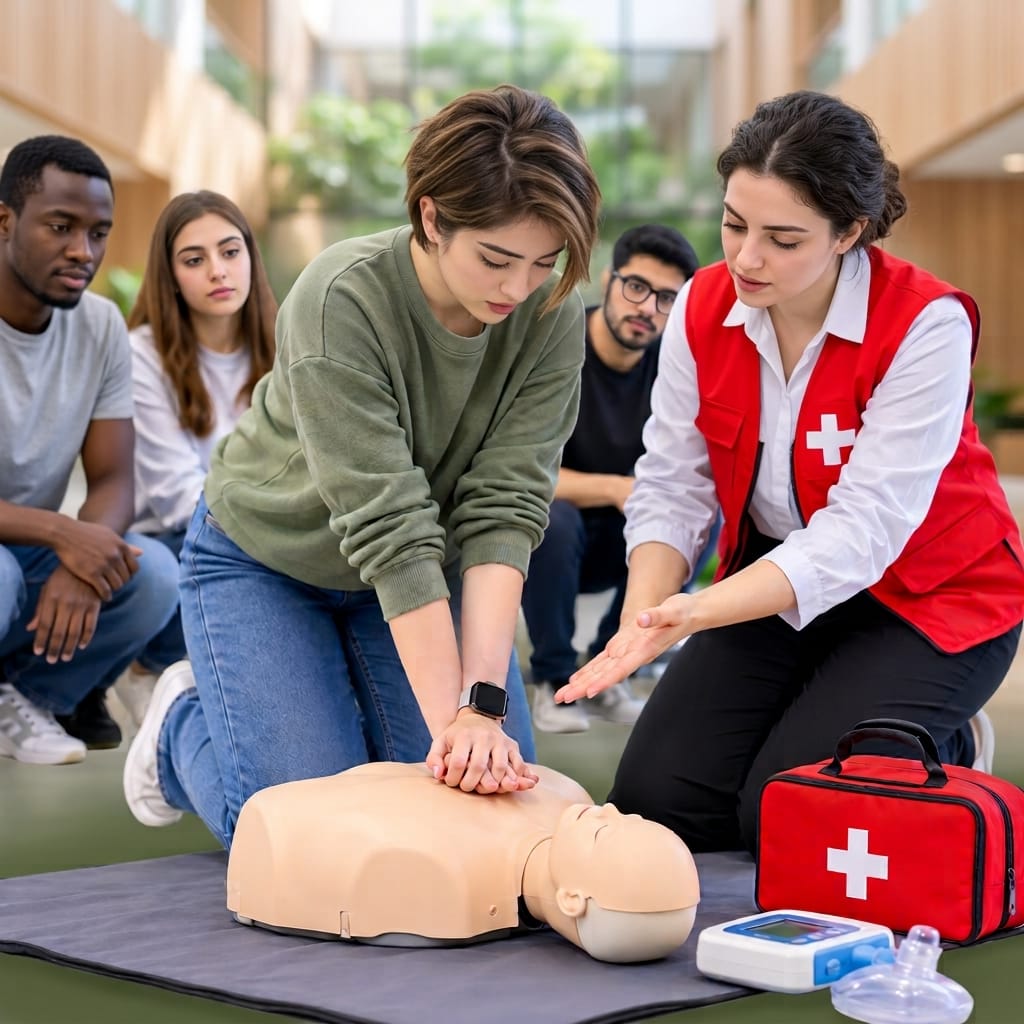
Courses usually combine online learning with in-class skills practice. You learn how to check a scene, call for help, and give care. In addition, you practice CPR and AED use on manikins. Instructors give feedback on your technique throughout the day. Finally, you complete a short evaluation to earn your certificate.
What the Red Cross Says
The Canadian Red Cross offers clear guidance on first aid and CPR courses. You can review the full details on the Canadian Red Cross Basic/Emergency First Aid & CPR.
Take the First Step Today
Canadian HSE offers first aid and CPR training in Kitchener. Their instructors teach practical, hands-on skills for real emergencies. As a result, you can book a course that fits your schedule. Small steps today can protect someone you love tomorrow. Explore your options with Canadian HSE today, or contact us for personal guidance