
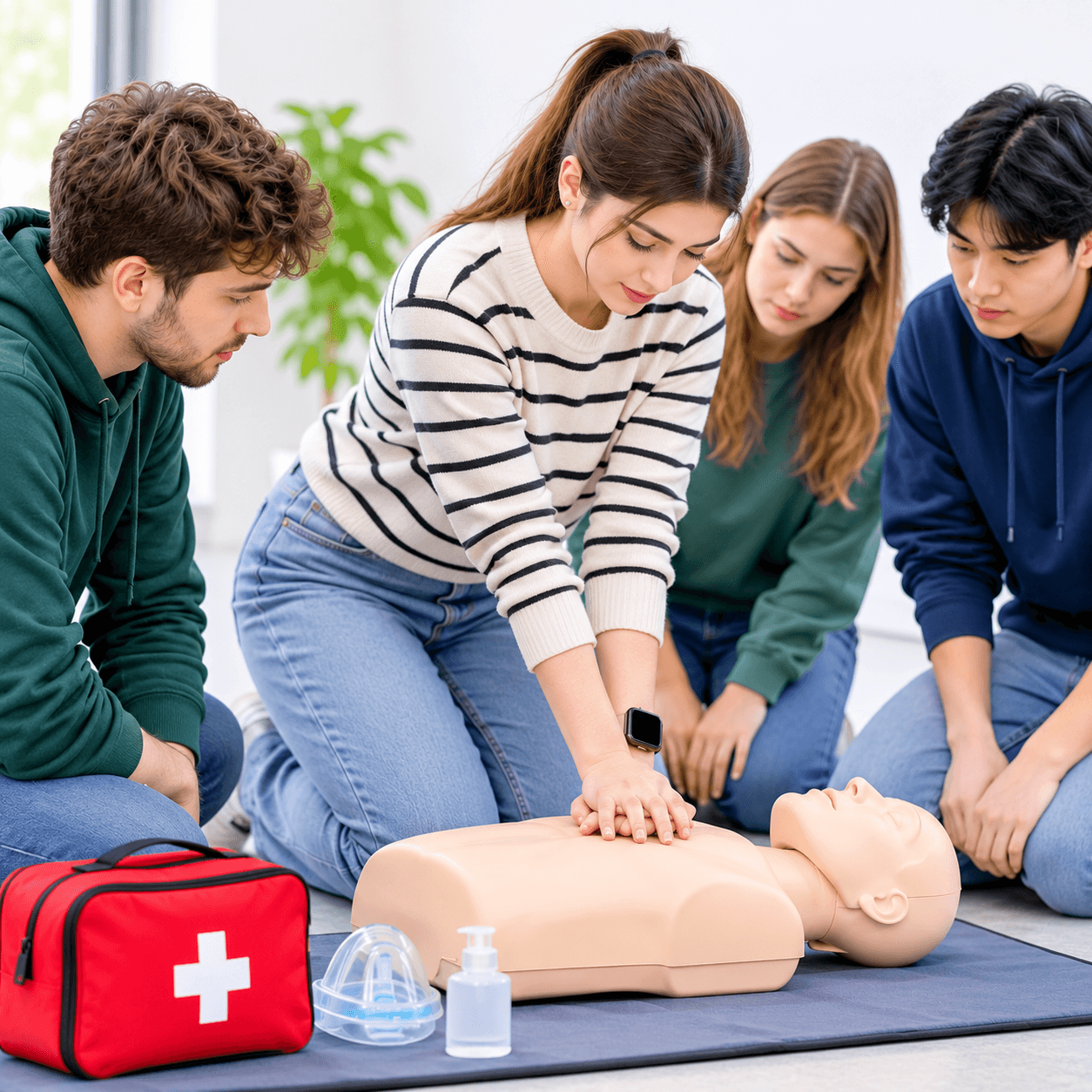
Selecting the right safety training course is essential for workplace compliance and personal preparation. Many people get confused when choosing between Basic and Emergency First Aid AED certification. Both options cover essential lifesaving techniques, including chest compression and how to operate an automated external defibrillator. However, key differences lie in training duration, skill depth, and regulatory requirements. Understanding these distinctions helps you pick the optimal program for your daily needs.
Understanding Basic First Aid
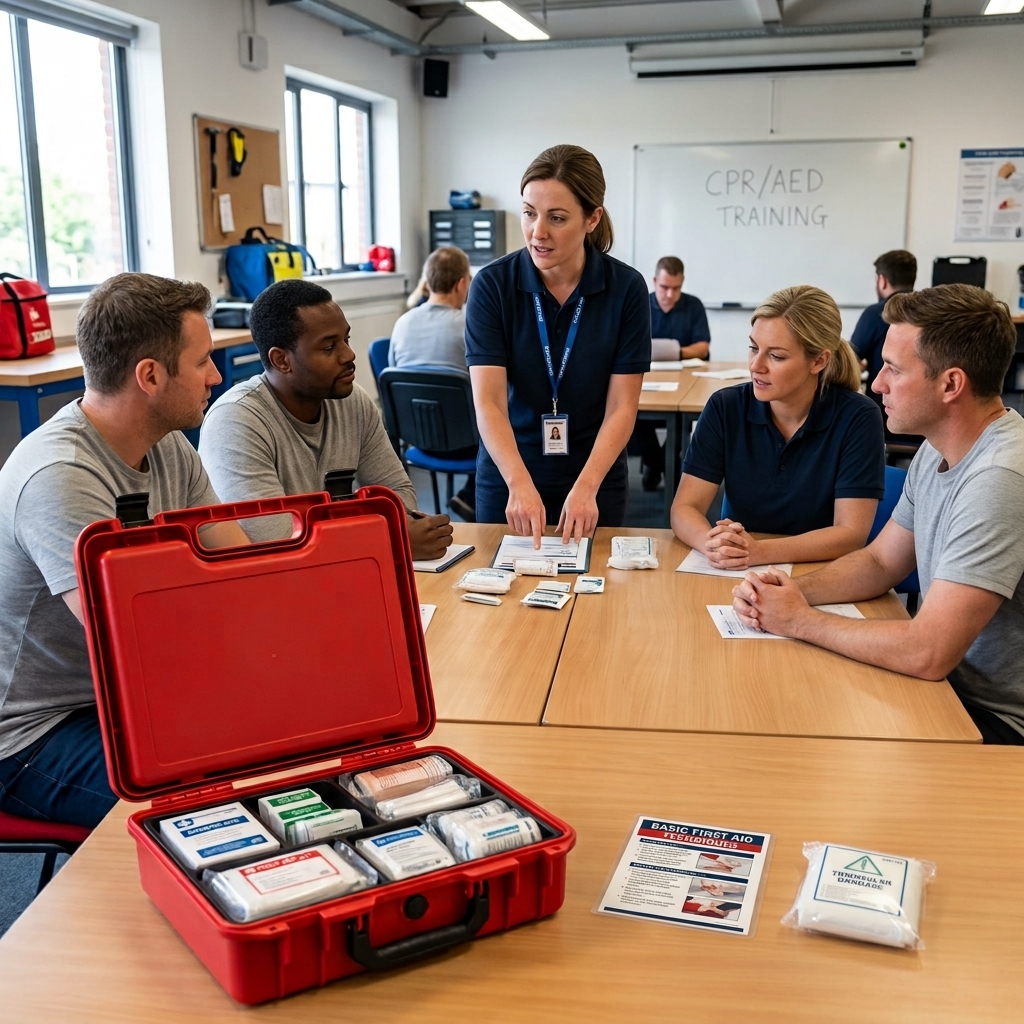
Basic First Aid focuses on primary response techniques for common minor injuries and everyday health issues. Students learn how to treat minor cuts, burn management, and simple bandaging techniques. The curriculum covers basic scene safety, personal protective equipment, and contacting emergency medical services. Most basic sessions require only a few hours of flexible classroom instruction or online study.
This option suits individuals who want simple household safety knowledge. Office workers in low-risk environments often select this entry-level option. However, basic programs might not fulfill rigorous provincial workplace safety regulations for high-risk job sites.
Understanding Emergency First Aid
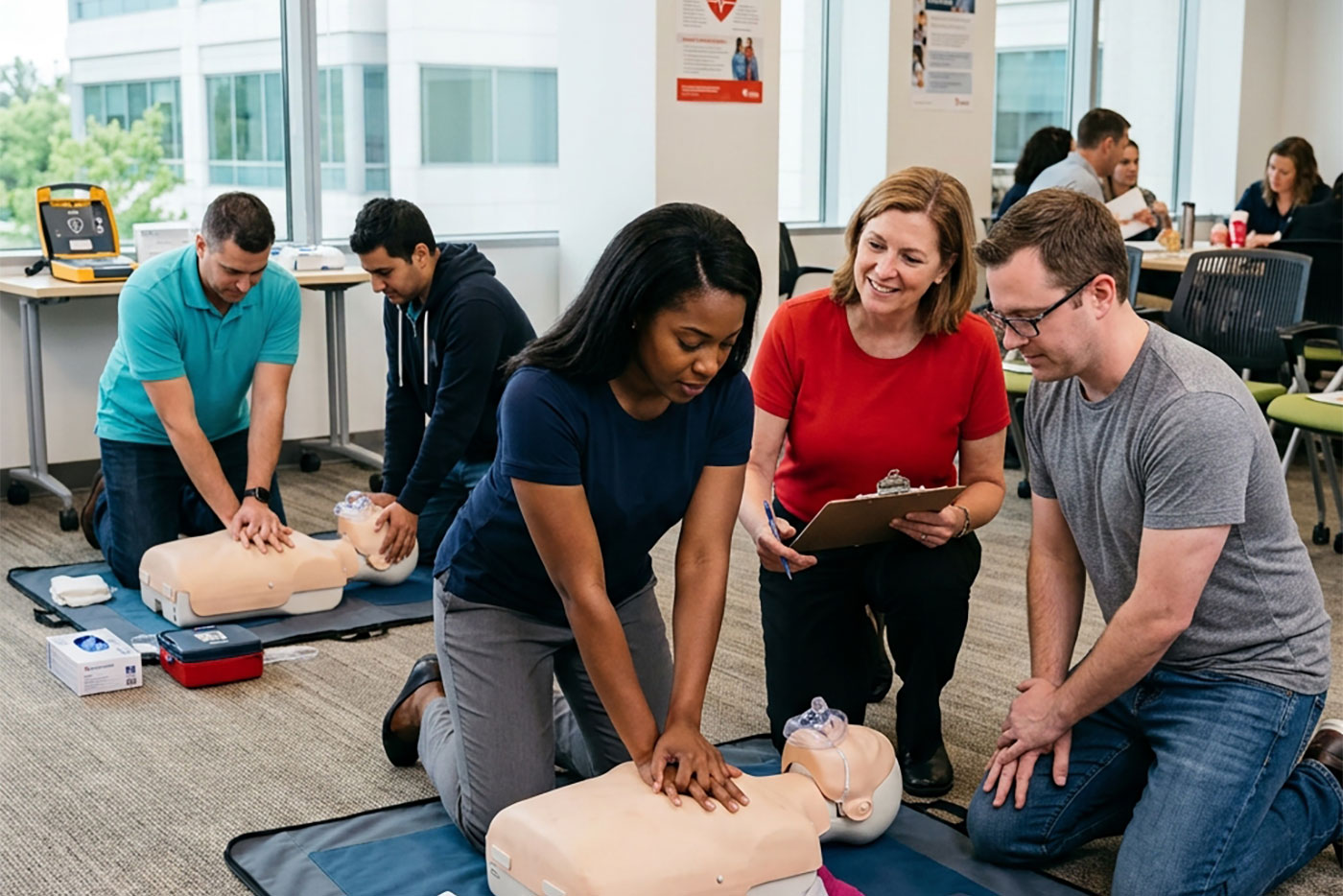
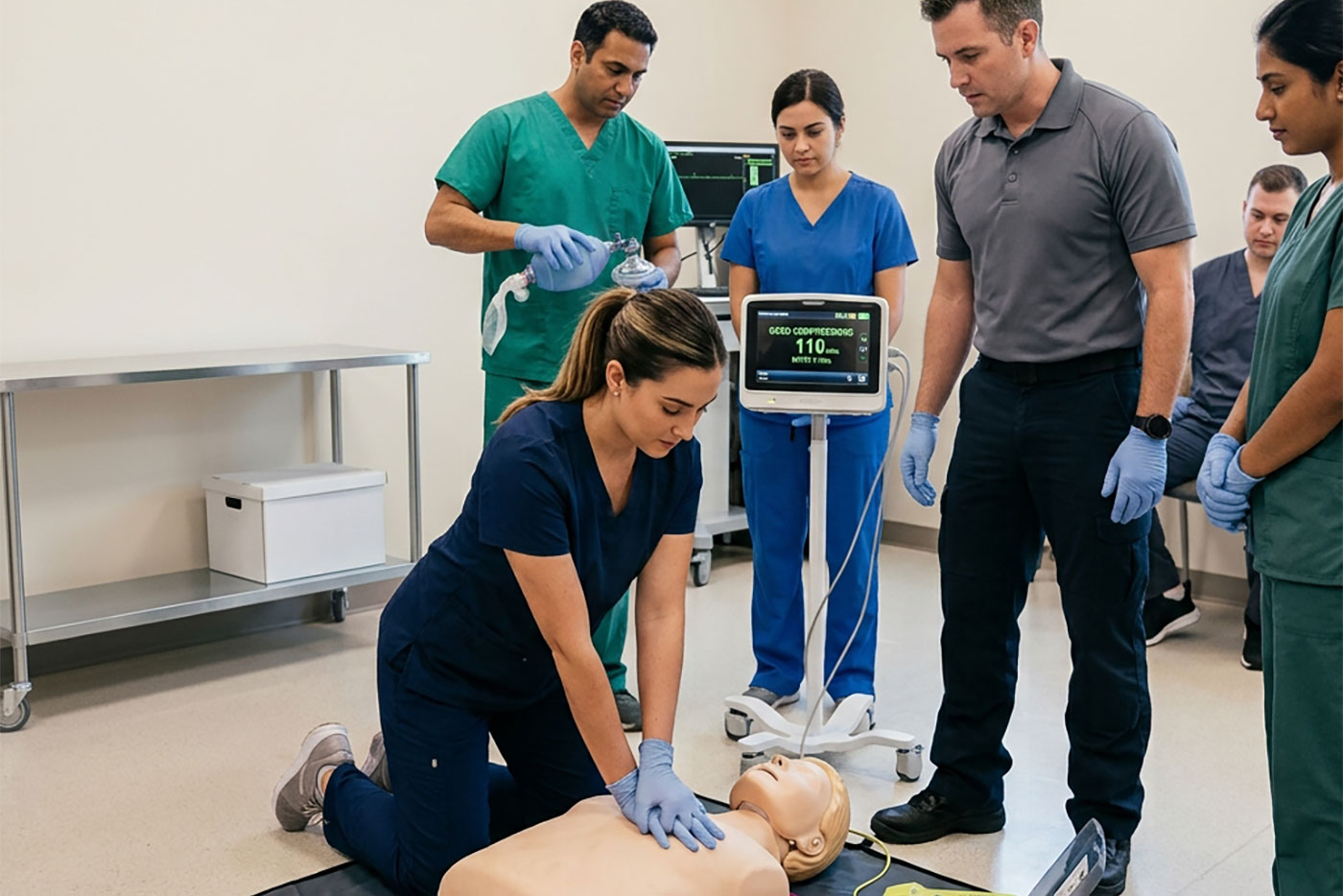
Emergency First Aid provides intensive, hands-on training for severe, life-threatening medical crises. A typical course lasts one full day, totaling about eight hours of direct instruction. Students practice crucial skills like severe choking relief, arterial bleeding control, and shock management. Participants practice complete resuscitation techniques alongside automated external defibrillator operation for all age groups. According to evidence-based health guidelines from the Canadian Red Cross First Aid Program, early defibrillation combined with effective CPR dramatically increases cardiac arrest survival rates.
Course Differences
Examining the CPR C AED course differences Basic Emergency First Aid training options highlights key training variations. Basic courses emphasize minor injury care, while emergency courses prepare responds for severe life-threatening conditions.
| Feature | Basic First Aid | Emergency First Aid | |
| Primary Focus | Minor injuries and everyday care | Life-threatening critical emergencies | |
| Course Duration | 4 to 6 Hours | 7.5 to 8 Hours | |
| AED Training | Basic Overview | Full Practical Application | |
| Workplace Fulfills | Low-risk environments | Standard provincial workplace compliance |
Emergency First Aid delivers higher practical skill development through immersive scenario practice. Participants gain the physical muscle memory needed to act quickly during real life-or-death situations.
Quick Decision Guide
- First, count the maximum workers on your busiest shift.
- Next, check whether you care for children or infants.
- Then, pick CPR Level C if the answer is yes.
- Finally, confirm that your provider is WSIB-approved.
- What the Red Cross Says
The Canadian Red Cross confirms the course meets CSA Z1210 standards for Basic First Aid training. It offers both Level A and Level C. You can review the full details on the Canadian Red Cross Basic/Emergency First Aid & CPR.
Ready to Get Certified?
Canadian HSE offers first aid and CPR training in Kitchener. The team teaches practical skills that stay with you. As a result, you can book the right course without second-guessing. Explore your options with Canadian HSE today, or contact us for personal guidance.