
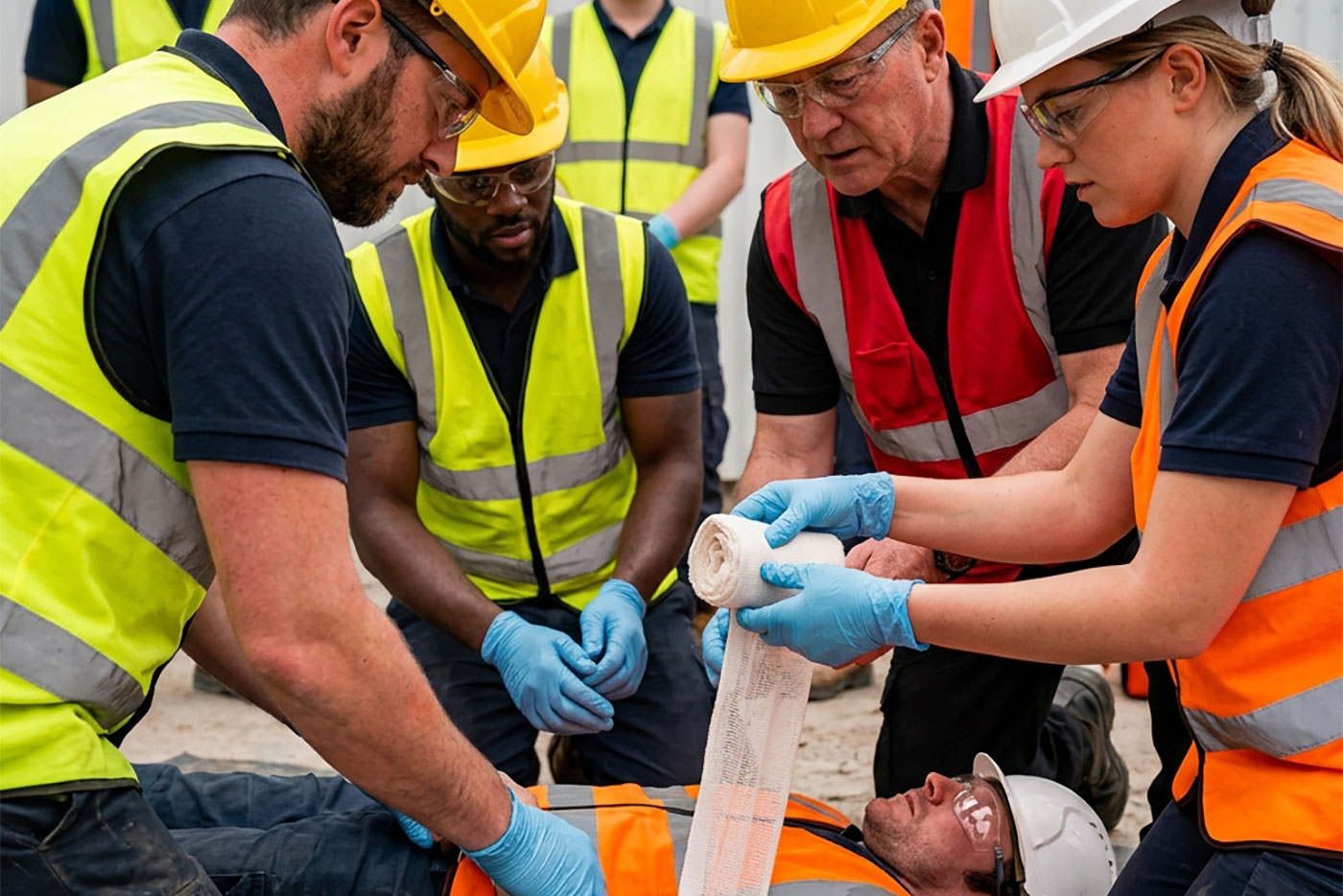
Construction sites are unpredictable by nature. Heavy machinery, elevated work, power tools, and constantly shifting conditions all combine to create real, everyday risk. In 2024 alone, Canada’s construction sector recorded 872 workplace fatalities, with falls, struck-by incidents, electrocution, and caught-between incidents accounting for roughly 65 percent of those deaths. Behind those numbers are real workers, real families, and real moments where fast, correct action could have changed the outcome. That’s exactly why First Aid Training for Construction
Workers isn’t optional in any serious safety plan; it’s foundational.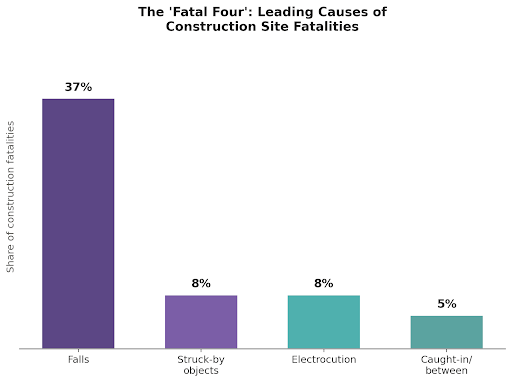
First Aid Training Construction Workers Canada: Course Certification Requirements
Understanding first aid training construction workers Canada course certification requirements starts with recognizing that construction is treated as a higher-risk sector under most provincial occupational health and safety frameworks. In Ontario, for example, Regulation 1101 requires certified first aiders on every site, with certification levels scaled to crew size and hazard exposure. Key requirements generally include:
- WSIB-approved certification through a recognized provider, since informal or unaccredited training doesn’t satisfy compliance.
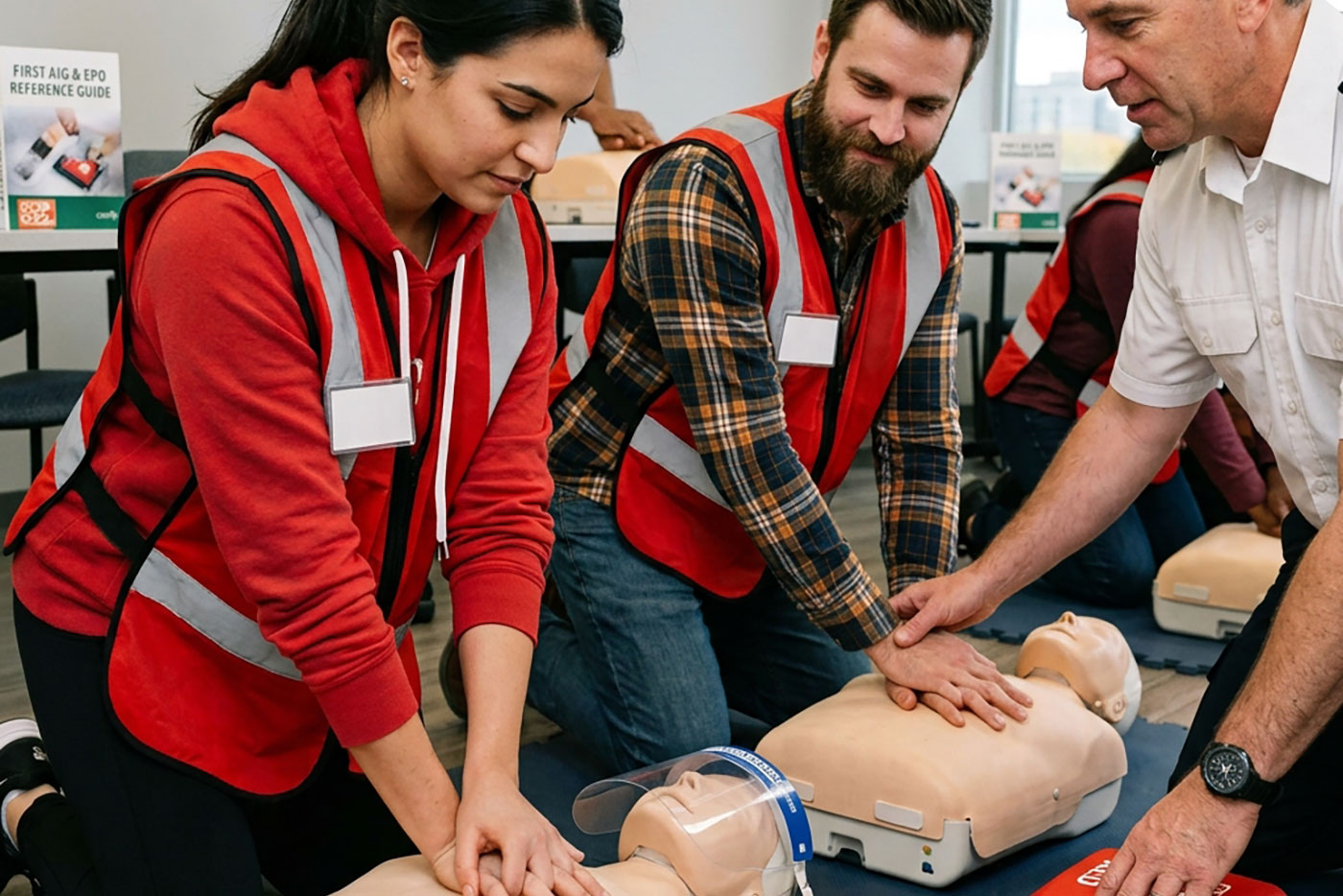
- Hands-on skills assessment, given that construction injuries often require physical intervention like bleeding control or CPR.
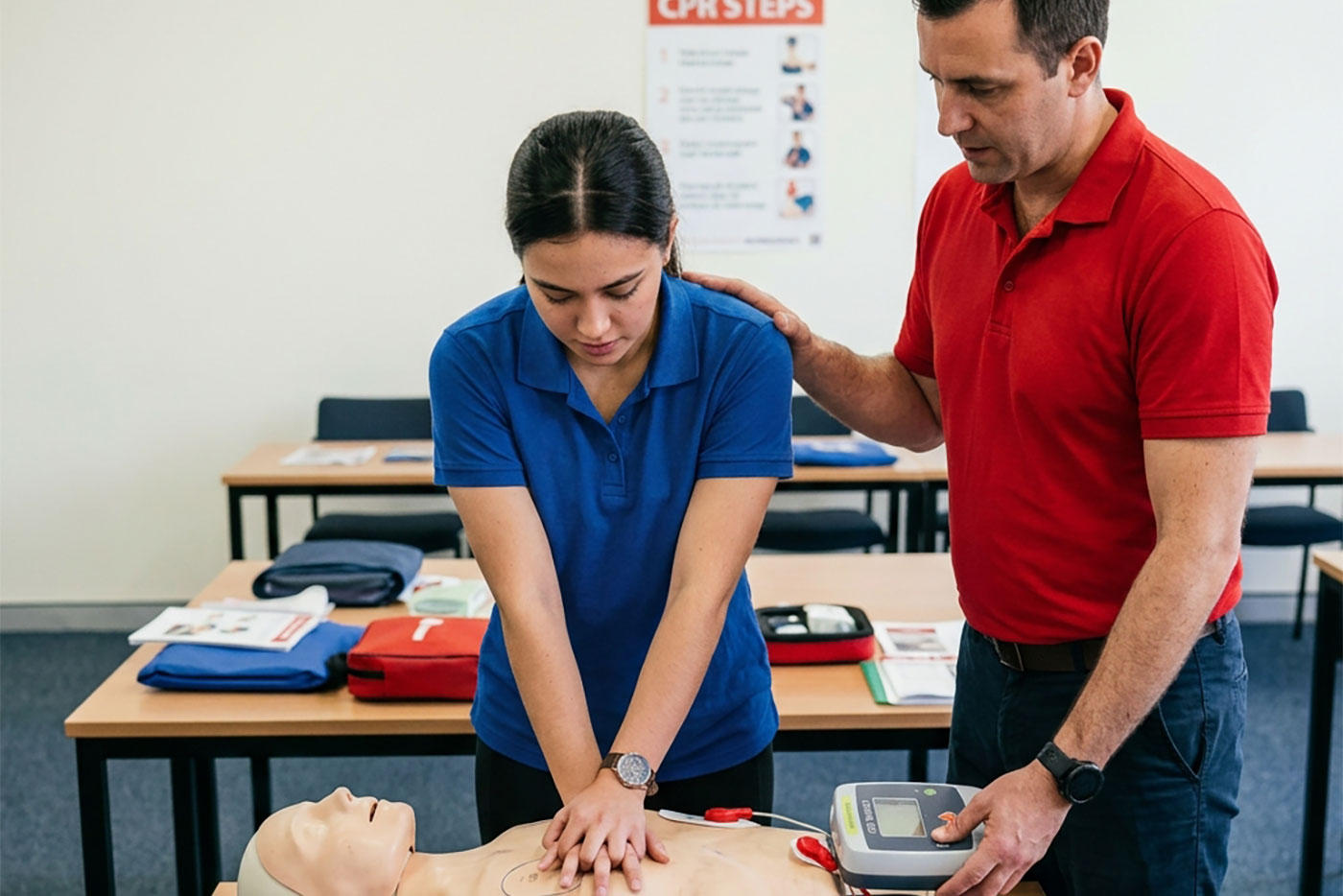
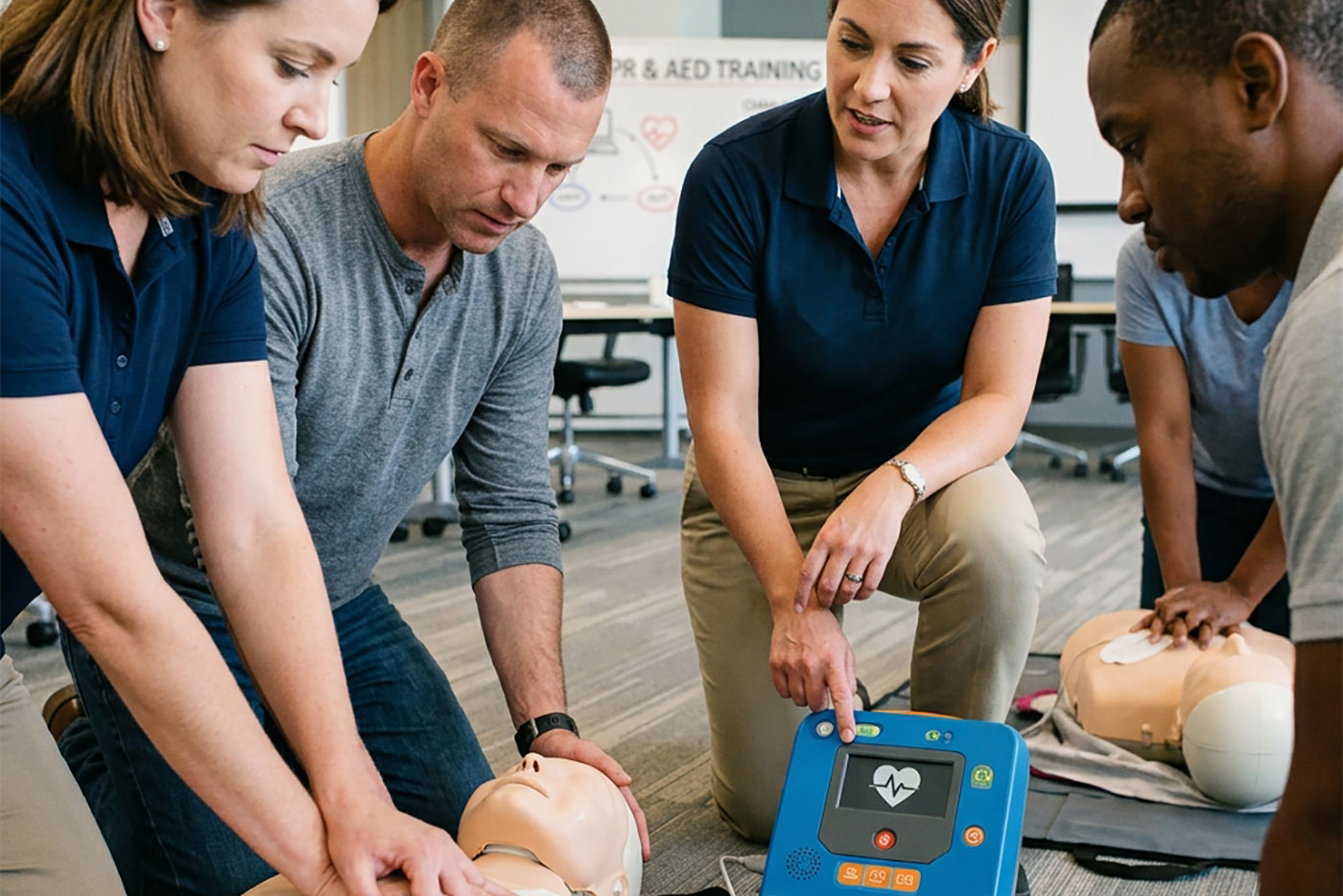
- AED training, increasingly required as more construction sites, particularly larger projects, are mandated to have defibrillators on-site.
- Recertification every three years, keeping skills and knowledge current with evolving best practices.
Occupational Health Safety Construction Sites Canada Training Programs
Beyond basic first aid, comprehensive occupational health safety construction sites Canada training programs typically layer in site-specific hazard training. This often includes fall protection, confined space awareness, and working-at-heights certification alongside first aid, since these hazards are directly responsible for the majority of serious construction injuries. A well-rounded safety program treats first aid as one piece of a larger prevention and response strategy, not a standalone checkbox.
What the Science Says: ILCOR and Emergency Response
The value of trained responders on high-risk worksites isn’t just policy; it’s backed by international resuscitation science. The International Liaison Committee on Resuscitation (ILCOR) conducts ongoing systematic reviews of global CPR and resuscitation evidence, publishing consensus treatment recommendations used to shape first aid and CPR training standards worldwide. Their research consistently reinforces that early, trained bystander intervention, before professional responders arrive, significantly improves survival outcomes in cardiac and traumatic emergencies alike. On a construction site, where medical response times can be longer due to location or site access, this bystander window becomes even more critical. You can explore ILCOR’s work directly via their ILCOR official resuscitation science.
Best Construction First Aid Certification Canada Providers: 2026 Comparison
When comparing best construction first aid certification Canada provider’s comparison 2026 options, look beyond price alone. Consider:
- Industry-specific content, since generic first aid courses may not adequately cover trauma, crush injuries, or heavy bleeding common on construction sites.
- Flexible scheduling, including on-site or group training options that minimize downtime for crews.
- Instructor experience, particularly with construction or high-risk industrial environments.
- AED and advanced trauma modules, which are increasingly relevant given the severity of construction-related injuries.
What Skills Are Needed: Construction Worker First Aid in Kitchener, Canada
For workers and employers in the region, understanding what skills are needed for construction worker first aid in Kitchener, Canada, employers expect typically includes:
- Severe bleeding control, including tourniquet application for traumatic injuries.
- CPR and AED use, critical given the physical demands and occasional cardiac risk on active sites.
- Fracture and spinal injury management, especially relevant given how common falls are in this sector.
- Shock recognition and management, since traumatic injuries often trigger this dangerous secondary condition.
- Clear emergency communication, ensuring injured workers get help as fast as possible on often large or remote sites.
Building a Safer Site Culture
Beyond individual certification, the strongest construction sites build first aid readiness into their daily culture, ensuring every shift has trained personnel present, first aid kits are properly stocked and inspected, and refresher training happens proactively rather than only when certificates are about to lapse.
Getting Your Crew Certified
If your construction team needs to meet certification requirements or simply wants genuinely prepared workers, working with an experienced provider makes all the difference. Canadian HSE, based in Kitchener, offers First Aid Training for Construction Workers designed around the real hazards of the job site, combining flexible scheduling with hands-on instruction that builds real confidence.
Ready to get your crew certified? Explore construction-focused first aid training with Canadian HSE in Kitchener today.