
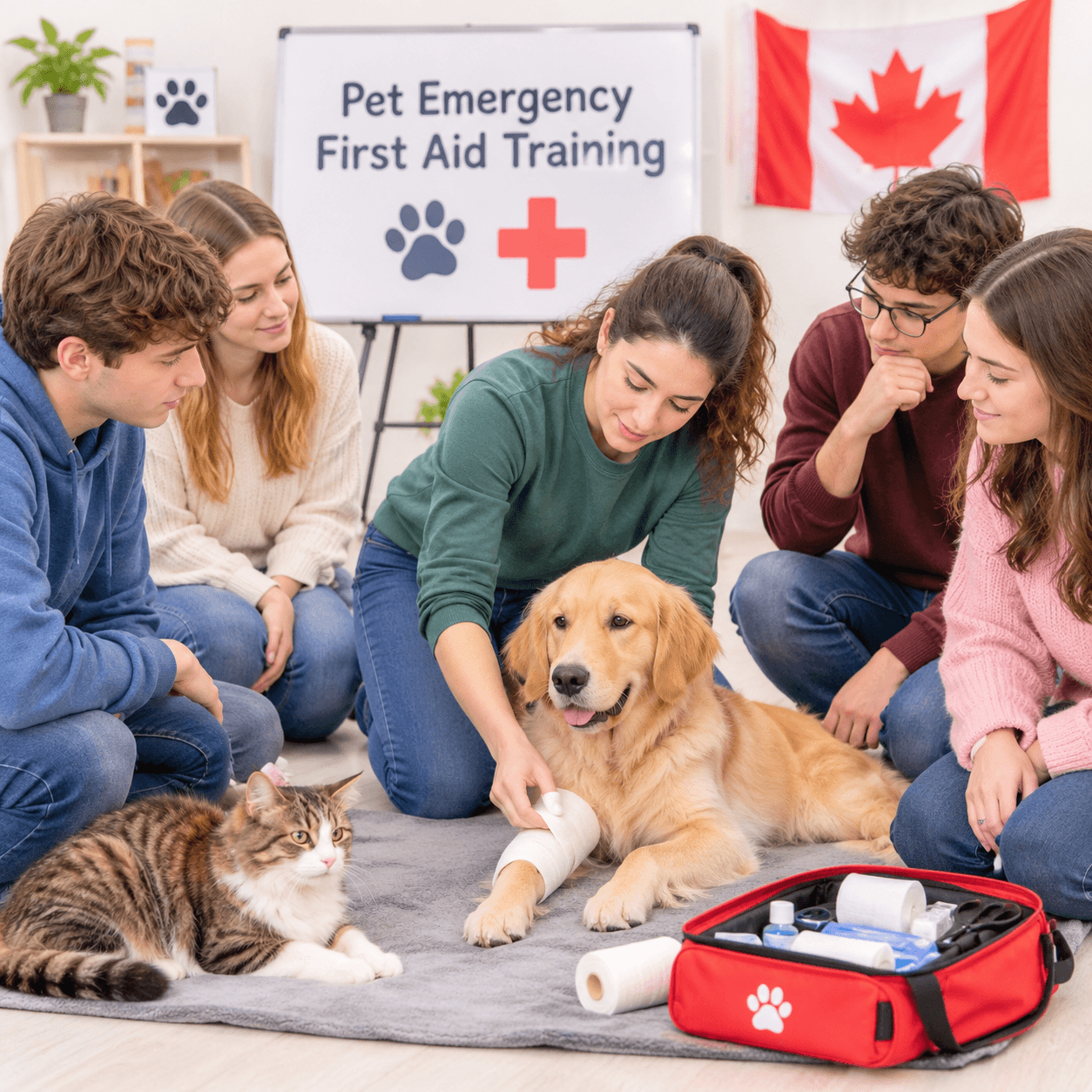
Why Quick Action Saves Pets
Emergencies rarely wait for office hours. A dog collapses on a hot walk, or a cat chews through a cord. However, calm action in the first minutes can protect your pet. Therefore, every owner should know the basics. Pet first aid is immediate care until a veterinarian takes over. It never replaces professional treatment. Instead, it limits harm and buys time. A Pet First Aid Course in Canada teaches these skills with hands-on practice. Therefore, a clear plan removes hesitation. Meanwhile, preparation turns panic into action. Seasonal risks add urgency in Canada, so plan for winter and summer.
How to Know the Warning Signs
Pets cannot tell you what hurts. Therefore, you must read their behavior and body. Cats especially hide pain until problems become serious. Moreover, early action improves your pet’s chances. Treat these signs as emergencies:
- Breathing trouble: rapid, noisy, or labored breathing.
- Pale or blue gums: a sign of poor oxygen or circulation.
- Collapse: sudden weakness or inability to stand.
- Seizures: shaking, stiffness, or loss of awareness.
- Repeated vomiting: especially retching without result or a swollen belly.
- Heavy bleeding: bleeding that does not slow with pressure.
Bleeding and Wounds
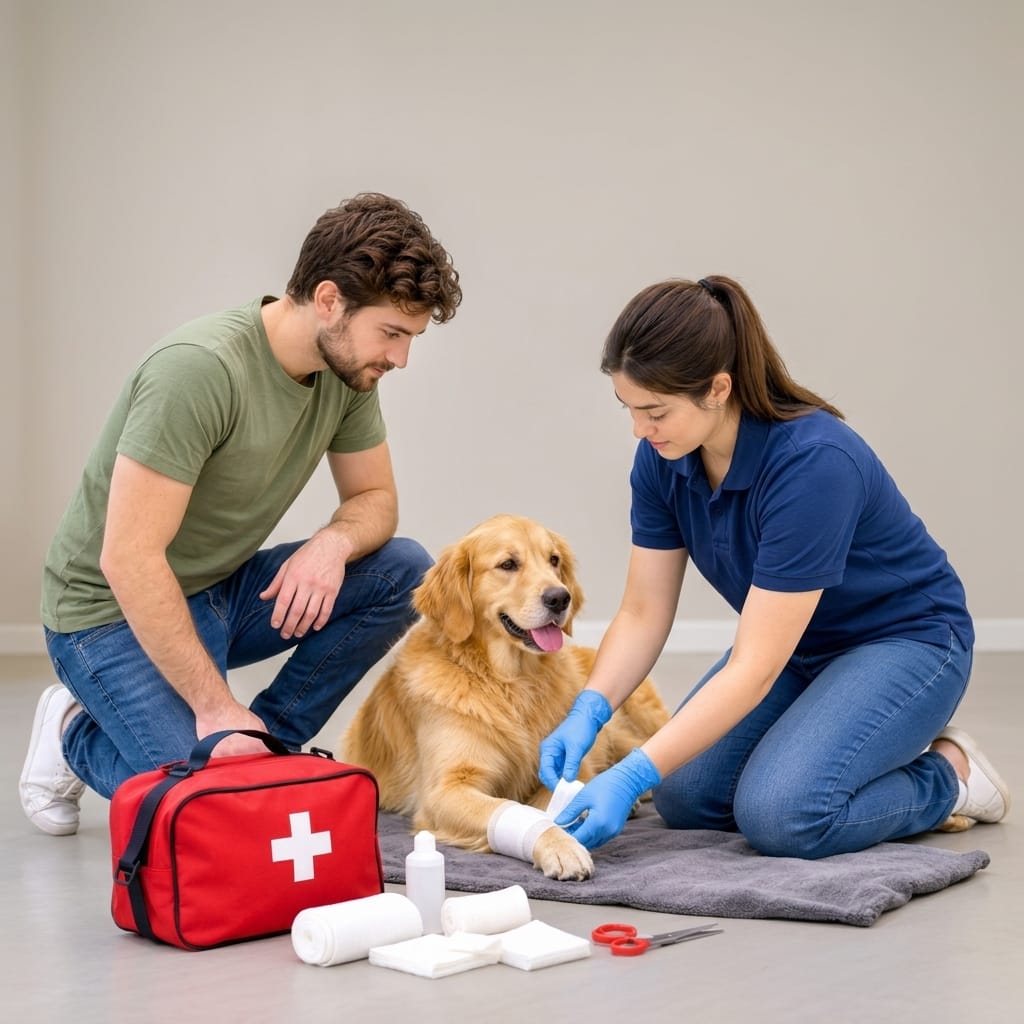
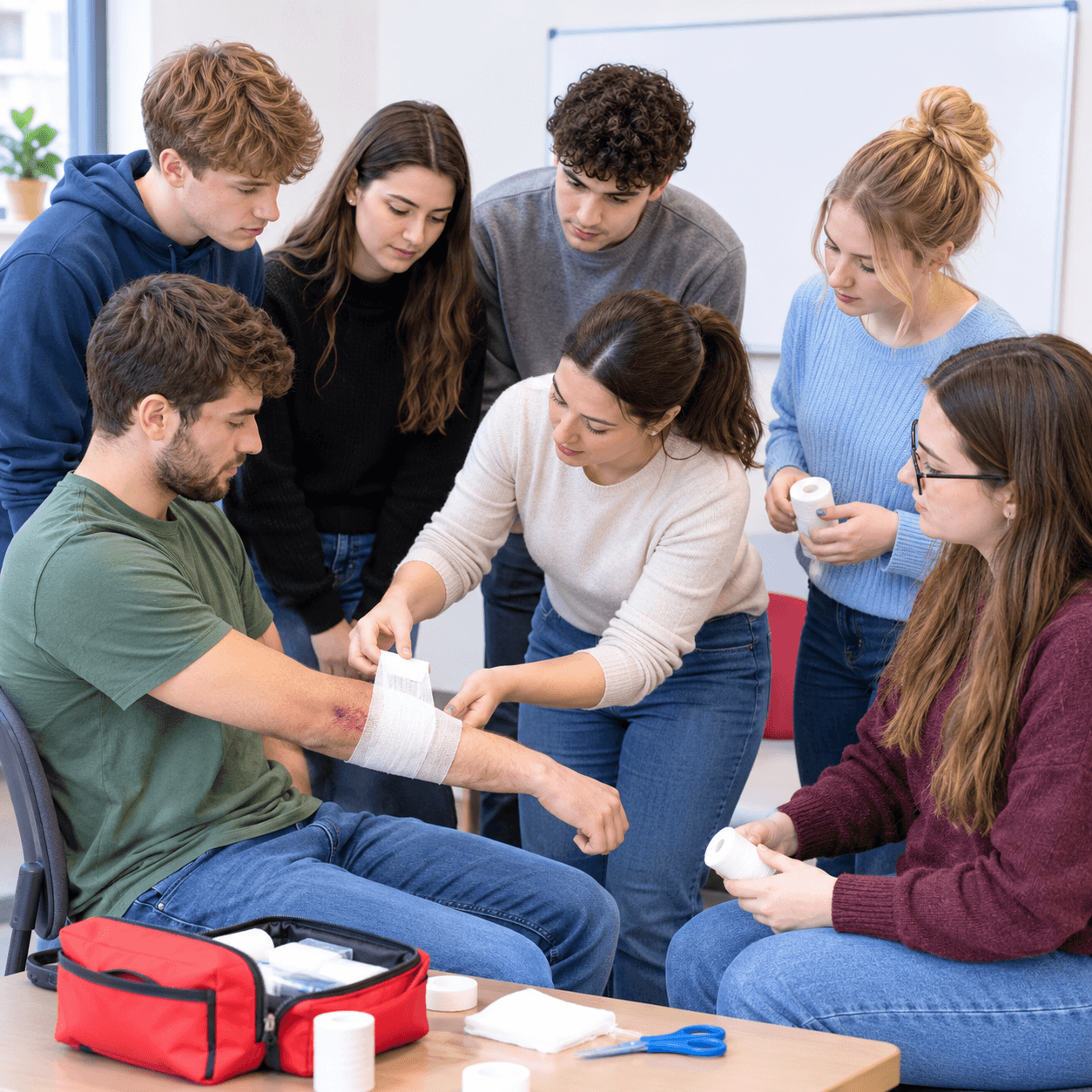
Wear gloves if you have them. Blood and wounds can carry germs. Do not lift the pad to check it. Instead, add more gauze on top if blood soaks through. Moreover, avoid tight wraps, because they can cut off circulation. Then keep your pet still and warm. Deep cuts, puncture wounds, and bites need a vet even when bleeding slows. Therefore, head to the clinic after you control the bleeding.
Choking and Breathing Trouble
Choking is frightening and fast. Large breeds and curious puppies choke often, while cats may swallow string. If your pet struggles to breathe, call ahead and head to the clinic. Meanwhile, look in the mouth carefully. If an object comes out easily, remove it. However, never poke blindly, because you can push the object deeper. Also protect your hands, since a panicked pet may bite. Therefore, practice helps you stay calm and use safe techniques.
Heatstroke and Burns
Heatstroke is dangerous, especially for dogs. In addition, never leave a pet in a parked car, even briefly. Signs include heavy panting, drooling, weakness, and collapse. Move your pet to shade or air conditioning immediately. Then cool the body with cool, not ice-cold, water. Also, offer small sips if your pet is alert. Call your vet right away, because internal damage can continue. For burns, flush the area with cool running water. Also, do not apply creams or ointments. Cover the area loosely and seek veterinary care.
Poisoning and Seizures
Call your vet or a poison hot line immediately if your pet eats something harmful. Do not induce vomiting unless a professional tells you to. Common culprits include chocolate, grapes, xylitol, lilies, and antifreeze. Therefore, store these items out of reach. Bring the packaging with you. If your pet has a seizure, stay calm and move hazards away. Moreover, keep your hands away from the mouth. Time the seizure, because your vet will ask. Afterward, keep your pet warm and quiet, and seek care promptly.
Build a Kit and Know When to Call
A ready kit saves time. Replace expired items twice a year. Keep a second small kit in your car. Include gauze, tape, bandage wrap, tweezers, blunt scissors, a digital thermometer, saline, and a towel. Also add your vet’s number and an emergency clinic’s address. The Canadian Red Cross pet emergency guide explains how to prepare with a pet first aid kit and basic skills. Call a vet for any emergency sign, and after any first aid you give. Because pets hide pain, call early rather than late.
Your First Five Steps
In any emergency, follow the same routine. It keeps you and your pet safer:
- First, stay calm and check that the area is safe.
- Next, approach slowly, because pain can make pets bite.
- Then, call your vet or the nearest emergency clinic for guidance.
- Give basic first aid only as instructed or trained.
- Finally, transport your pet safely, with a helper if possible.
Keep your pet warm and quiet during the trip. Also, never give human medications unless a vet instructs you.
Train Before It Happens
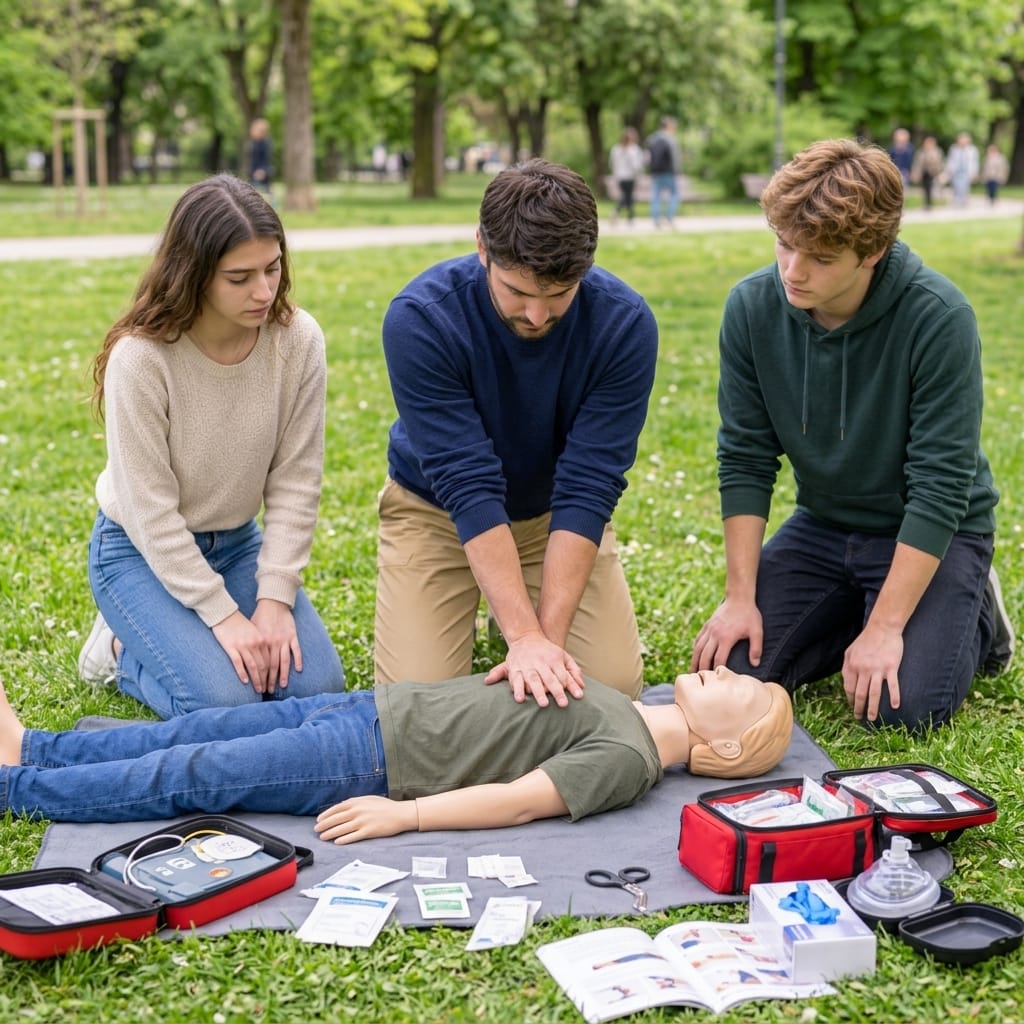
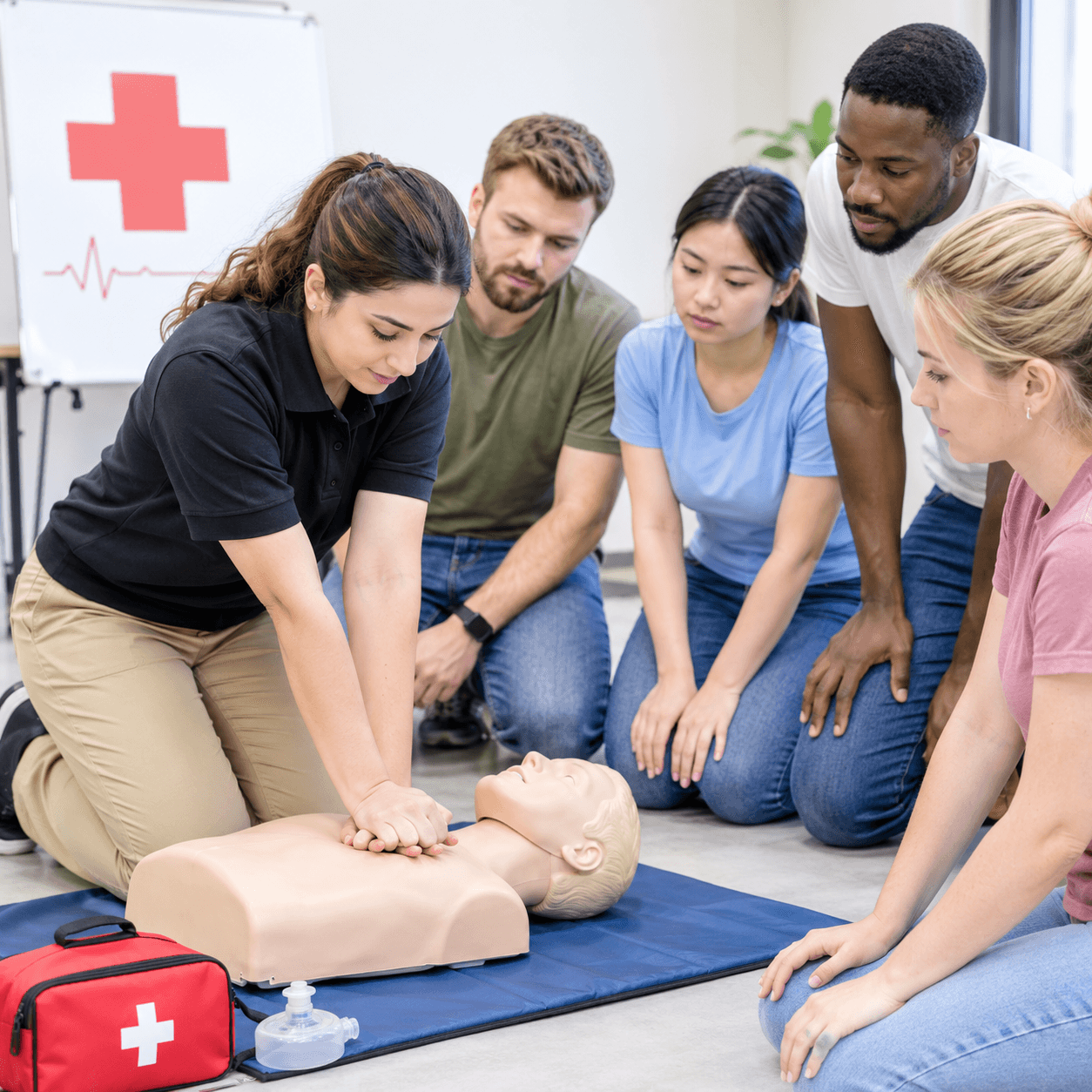
Reading helps, but practice builds real skill. Pet First Aid Training lets you rehearse bandaging, restraint, and pet CPR on models with expert feedback. Therefore, you learn correct technique before a crisis, not during one. Moreover, trained owners recognize problems sooner and speak clearly with veterinarians. Courses also teach you to check normal vital signs. As a result, you notice changes sooner. Canadian HSE offers first aid training in Kitchener. Contact us to ask about pet first aid course options for your needs. Small preparations today can protect the animals you love tomorrow.