
Emergencies don’t send a warning. A child chokes on a snack, a coworker collapses in a meeting, a family member slips on an icy sidewalk- these moments happen without notice, and how you respond in those first few minutes can make all the difference. This is exactly why Canadian First Aid Training matters far beyond the workplace; it’s a skill set that quietly shapes how prepared you are for everyday life.
Importance of First Aid Skills: Everyday Life Benefits
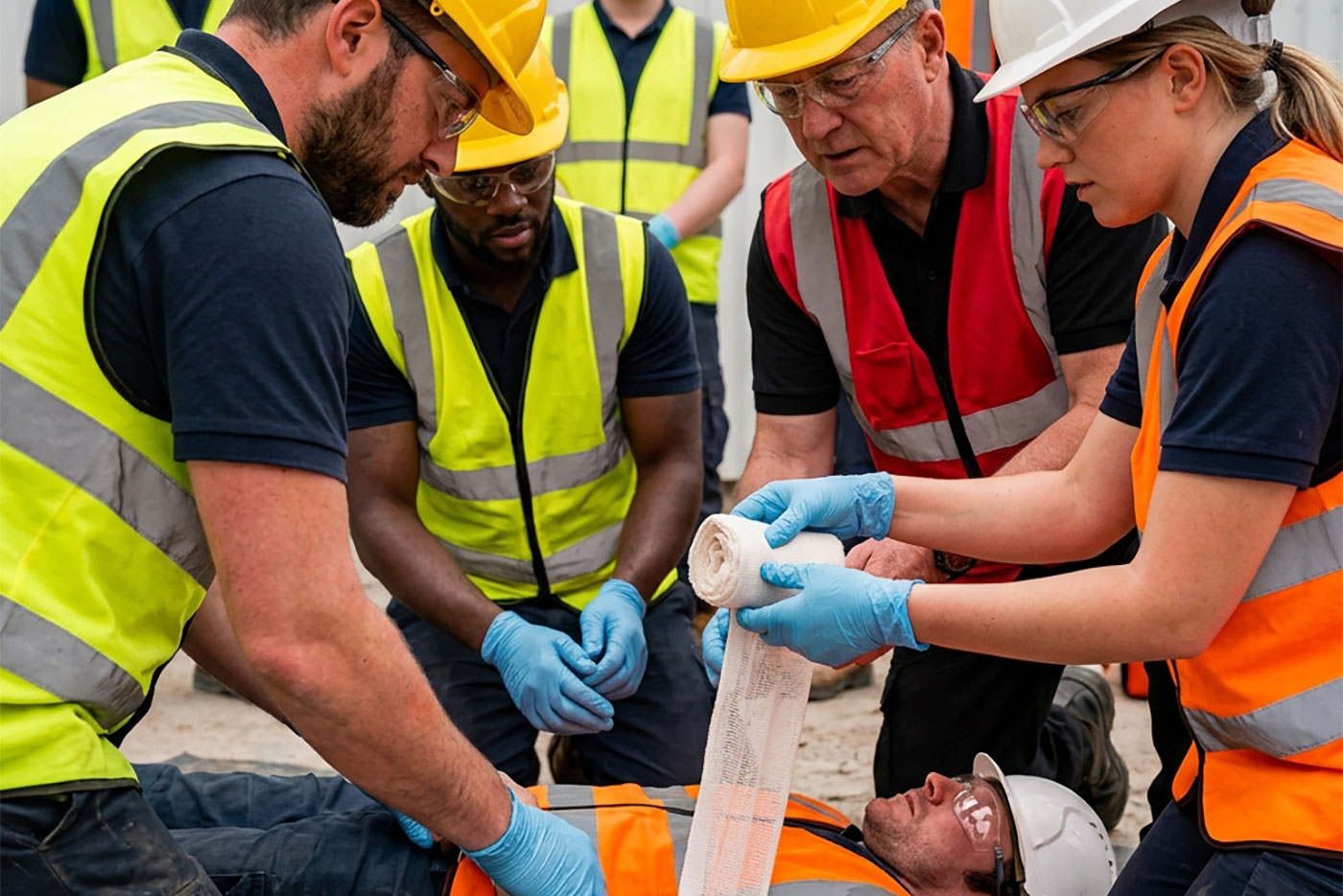
Understanding the importance of first aid skills and everyday life benefits begins with recognizing how often emergencies actually happen outside formal medical settings. Most injuries and medical events don’t occur in hospitals; they happen at home, at work, in parks, and on roadsides. Having someone nearby who knows how to respond can bridge the critical gap between the incident and the arrival of professional help.
Why Are First Aid Skills Crucial for Daily Situations?
So, why are first aid skills crucial for daily situations people encounter regularly? Consider a few everyday scenarios:
- Kitchen accidents: burns and cuts happen often at home, and knowing proper first response can prevent minor injuries from becoming serious ones.
- Playground and sports injuries: children and active adults alike are prone to falls, sprains, and impact injuries.
- Choking incidents: these can happen to anyone, at any age, during a meal or snack.
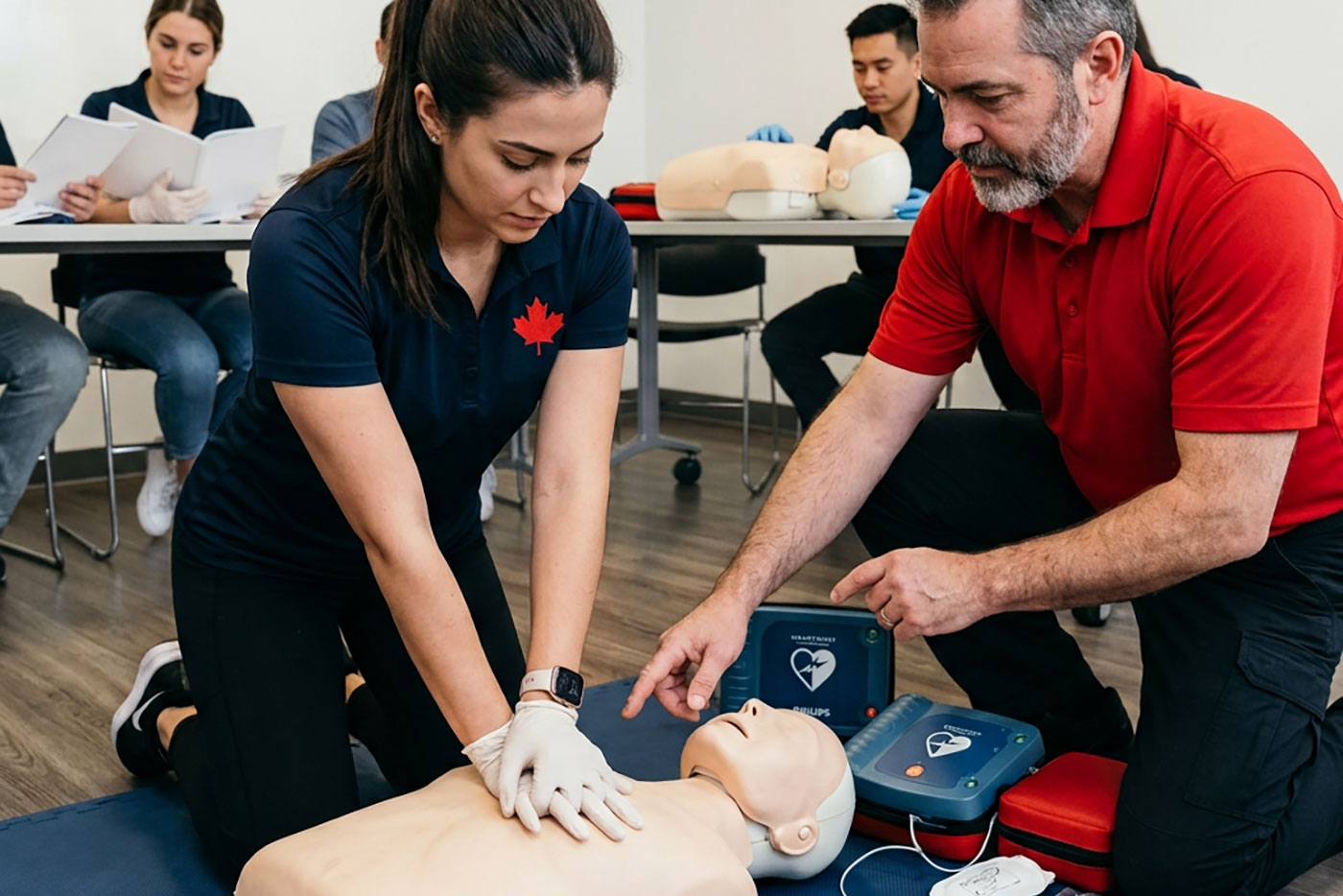
- Sudden cardiac events: collapses can happen anywhere, at work, at the gym, or in public spaces, and immediate bystander response matters enormously.
- Allergic reactions: food or environmental allergies can escalate quickly, and knowing the signs helps you act before it’s too late.
First Aid Training: Everyday Life Impact and Uses
The first aid training everyday life impact and uses extend well beyond dramatic emergencies. Trained individuals are also better equipped to handle:
- Minor wound care that prevents infection and promotes proper healing.
- Recognizing signs of shock, which can follow injuries or medical events and require careful monitoring.
- Supporting someone during a seizure safely, without causing additional harm.
- Managing heat exhaustion or hypothermia, both relevant given Canada’s seasonal extremes.
- Providing calm reassurance, which itself can reduce panic and improve outcomes for the injured person.
What the Science Says: Insights from ILCOR
The value of trained bystanders isn’t just anecdotal; it’s backed by international resuscitation science. The International Liaison Committee on Resuscitation (ILCOR) conducts ongoing, systematic reviews of global CPR and resuscitation evidence, publishing updated consensus treatment recommendations that guide first aid and CPR guidelines worldwide. Research compiled through ILCOR’s global cardiac arrest registries has found that bystander CPR rates vary widely across regions, and that survival outcomes tend to improve where bystander intervention occurs promptly. This reinforces a simple but powerful point: trained bystanders genuinely influence survival outcomes before professional responders even arrive. You can explore ILCOR’s work directly via their official resuscitation science.
Learning Basic First Aid Skills: Benefits for the Public
Beyond individual emergencies, learning basic first aid skills benefits public safety on a larger scale. Communities with higher rates of first aid and CPR-trained individuals tend to see faster bystander response times, which research increasingly links to improved survival outcomes. Simply put, the more people trained, the safer a community becomes as a whole.
Confidence Is the Real Benefit
Beyond the technical skills, first aid training builds something less tangible but equally valuable: confidence. Knowing you can act, rather than freeze, during an emergency changes how you move through the world. It transforms panic into purposeful action, even in small ways.
Building These Skills Yourself
The good news is that these skills are accessible to almost anyone, regardless of background or profession. Canadian HSE, based in Kitchener, offers practical, hands-on Canadian First Aid Training designed to prepare everyday people, not just healthcare workers, for real-life emergencies.
Skills That Show Up When It Counts
First aid isn’t just a workplace requirement or a resume line; it’s a life skill with real, everyday relevance. Investing in training today could make you the calm, capable person someone needs tomorrow.Ready to build skills that matter every day? Explore training options with Canadian HSE in Kitchener today.