
Getting your first babysitting gig is exciting. You’re trusted with someone’s most precious responsibility, and that trust comes with a job that’s more serious than it looks from the outside. Kids fall, choke, scrape their knees, and occasionally get themselves into situations nobody saw coming. That’s exactly why babysitter emergency skills aren’t optional extras – they’re the foundation of doing this job well. Before you accept your first booking, it’s worth slowing down and asking yourself: if something went wrong right now, would I know what to do?
Why Emergency Skills Matter More Than You Think
Ontario’s own workplace data backs this up. According to WSIB reporting on Ontario Ministry of Labor figures, workers starting a new job are roughly three times more likely to get hurt in their first month than at any other point in their employment. Young workers specifically are also at higher risk – WSIB data shows that in a single recent year, tens of thousands of young Ontarians were injured on the job, with a large share serious enough to cause lost work time. Babysitting counts as work, and a first-time sitter walking into an unfamiliar home is exactly the kind of “new job” scenario where preparation matters most.
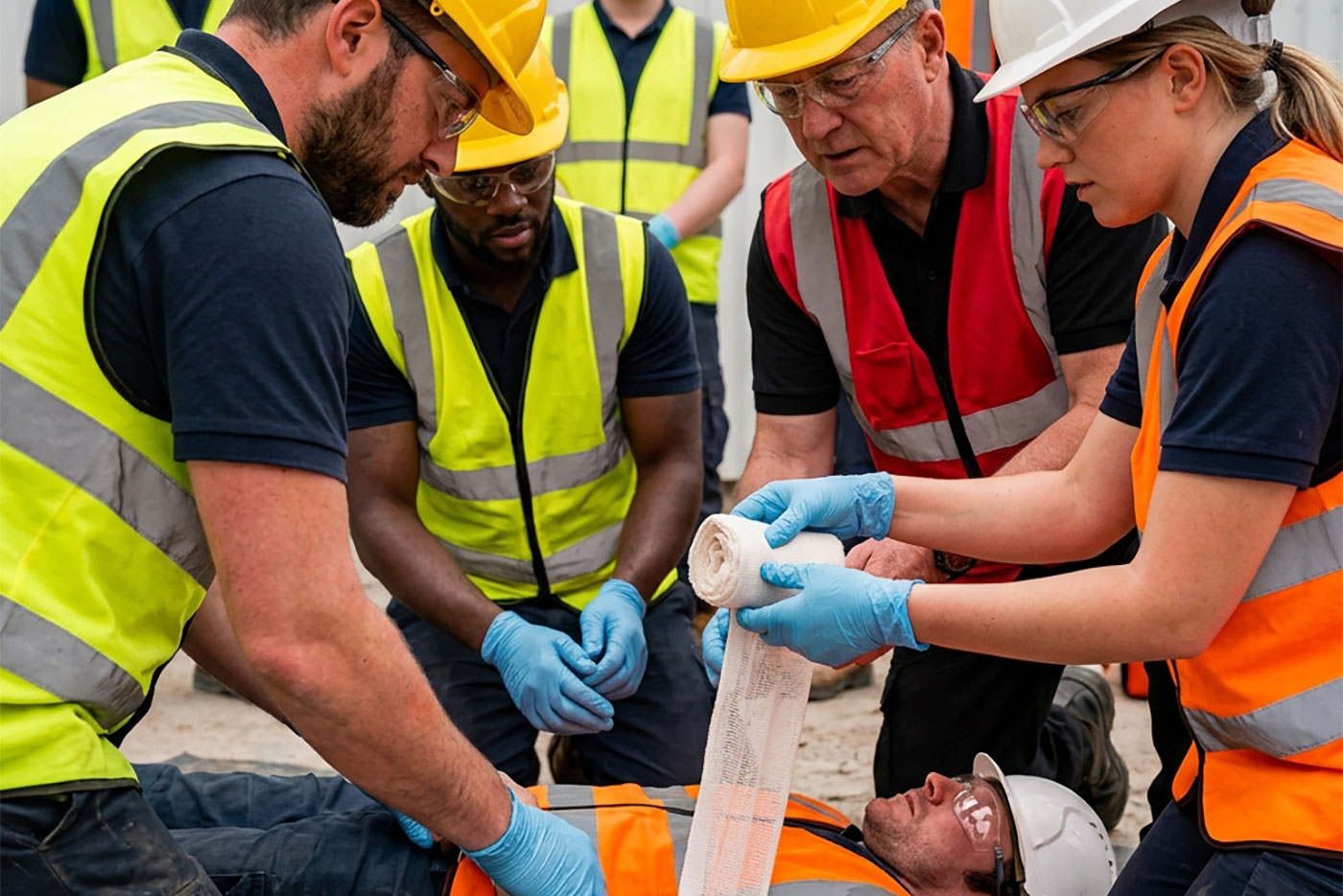
This is also why emergency skills- babysitter first job essential training, first aid, CPR- should be at the very top of your prep list, not an afterthought you figure out on the fly.
What to Know for Your First Babysitting Job
What to know for first babysitting job emergency preparedness safety tips starts with the basics: know the child’s allergies, medications, and any medical conditions before the parents leave. Save emergency contacts in your phone, know the home address (you’d be surprised how often sitters forget this when calling 911), and locate the first aid kit the moment you arrive.
A few core skills every sitter should have:
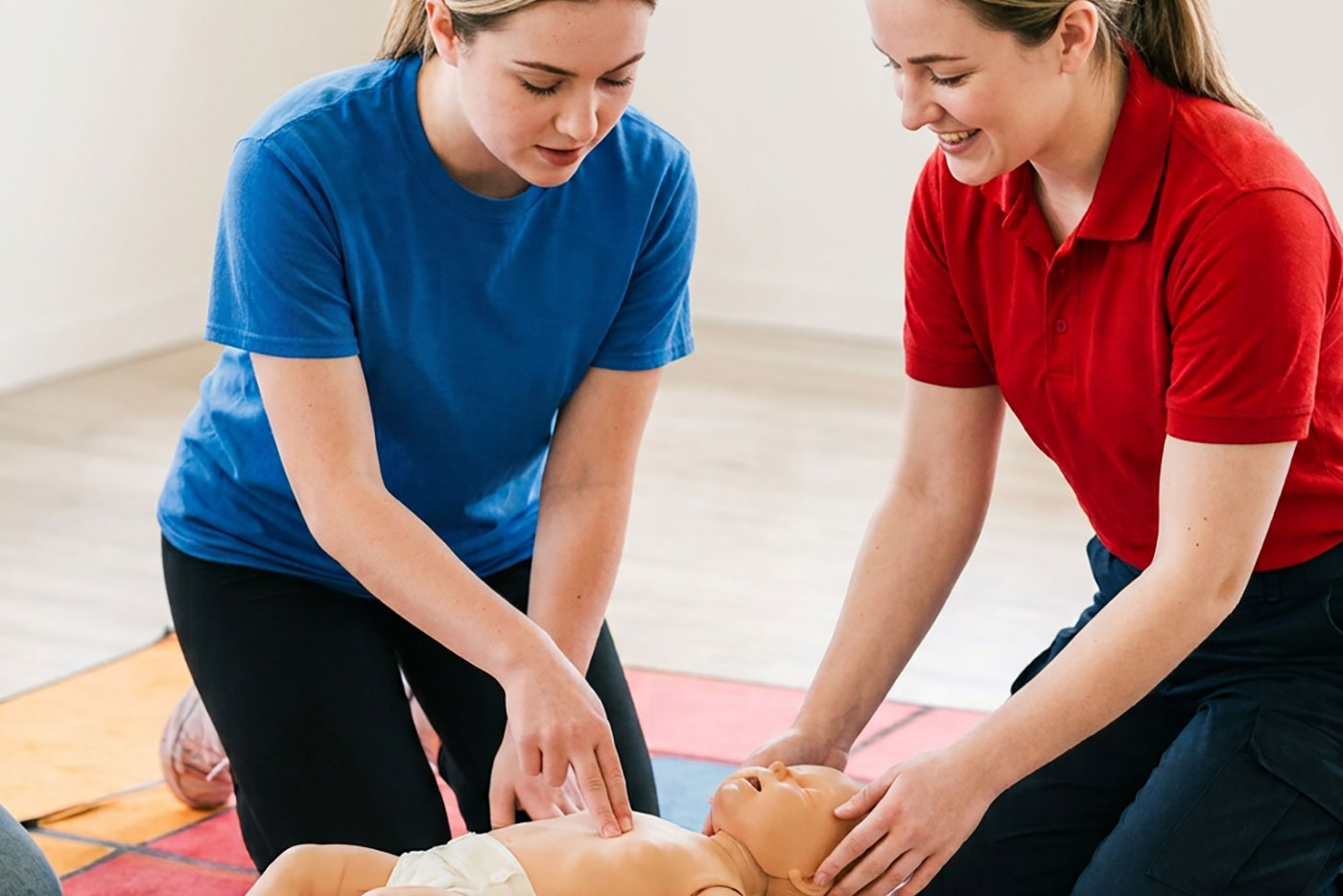
- CPR and choking response for infants, toddlers, and older kids – each requires a slightly different technique
- Basic first aid for cuts, burns, bumps, and nosebleeds
- Recognizing signs of an allergic reaction and knowing when to call for help
- Fire and evacuation basics, including how to safely exit with a child in tow
- Calm communication – knowing how to talk to a scared or hurt child while you handle the situation
Training, Courses, and Certification Requirements
If you’re serious about babysitting as a job, invest in proper training. Babysitter emergency skills training courses certification requirements 2026 typically include the following:
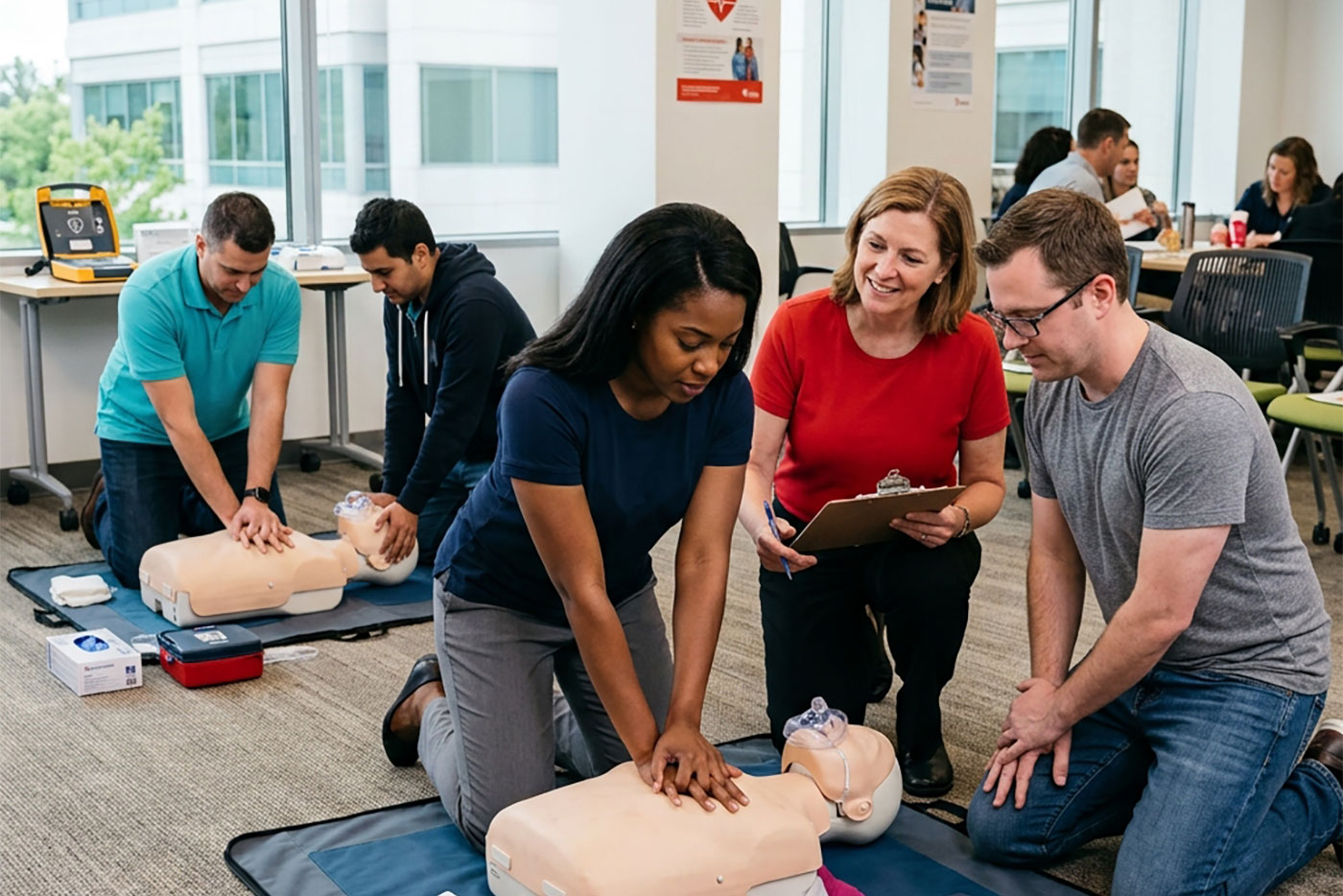
- A hands-on or blended CPR and first aid course – covering infant, child, and adult techniques
- A child-specific babysitting certification – focused on age-appropriate care, safety, and emergency response
- Background and reference checks – often requested by parents before the first booking
- An online refresher every couple of years – to keep skills and certifications current
- Proof of certification – a printed or digital certificate you can show parents on request
For Ontario-based sitters, it’s worth understanding how workplace safety expectations apply even in a home setting. WSIB guidance notes that certain domestic employment situations – including a homeowner hiring a babysitter who works more than 24 hours a week – can fall under formal workplace safety and insurance rules. It’s a good reminder that babysitting is real work, with real risks, that deserves real preparation.
Finding the Right Course
When it comes to top-rated babysitting courses online for child safety first aid certification, look for programs that combine video instruction with hands-on practice assessments, cover infant and child CPR separately, and issue a certificate recognized by employers and parents alike.
A trusted place to start is Canadian HSE, which offers accessible online safety and first aid training designed for exactly this kind of situation – practical, Canadian-relevant, and built for people who need real skills fast, not just a certificate to check a box.
Ready for Your First Job
Your first babysitting job doesn’t have to be nerve-wracking. With the right babysitter emergency skills, a completed first aid and CPR course, and a habit of preparing before every job – not just the first one – you’ll walk into that home ready for whatever the evening brings. Parents notice sitters who are calm and capable, and that reputation is what turns a one-time job into years of steady, trusted work. Contact Us Ready to get certified before your first babysitting job? Canadian HSE offers online CPR, first aid, and child safety courses designed to fit your schedule. Visit www.canadianhse.ca to browse courses, get enrollment details, or speak with a member of our team about which certification is right for you.