Why Preparation Matters
Emergencies happen without warning: a friend collapses during a game, or a child chokes at dinner. Paramedics respond quickly, yet they still need several minutes to reach the scene, leaving the people standing nearby to handle the critical first moments. First Aid and CPR training gives ordinary people a clear plan so they can step in immediately rather than freezing out of fear. A single course equips you with practical habits that stay useful for years.
The Real Cost of Waiting
Every year, about 60,000 cardiac arrests occur outside hospitals in Canada, approximately one in every nine minutes. Cardiac arrest is an electrical malfunction that stops the heart from pumping blood, whereas a heart attack is caused by a blocked artery .Among people under 65, only one in ten people survive in half of most cases. The particular reason for this is that survival odds drop every minute without chest compression, therefore waiting for ambulance costs useful time. Training removes that hesitation and lowers the rate of fatality.
Five Ways Training Pays Off
- Confidence: Knowing what to do first keeps you steady under pressure.
- Speed: You start chest compression or airway care within seconds rather than waiting for paramedics.
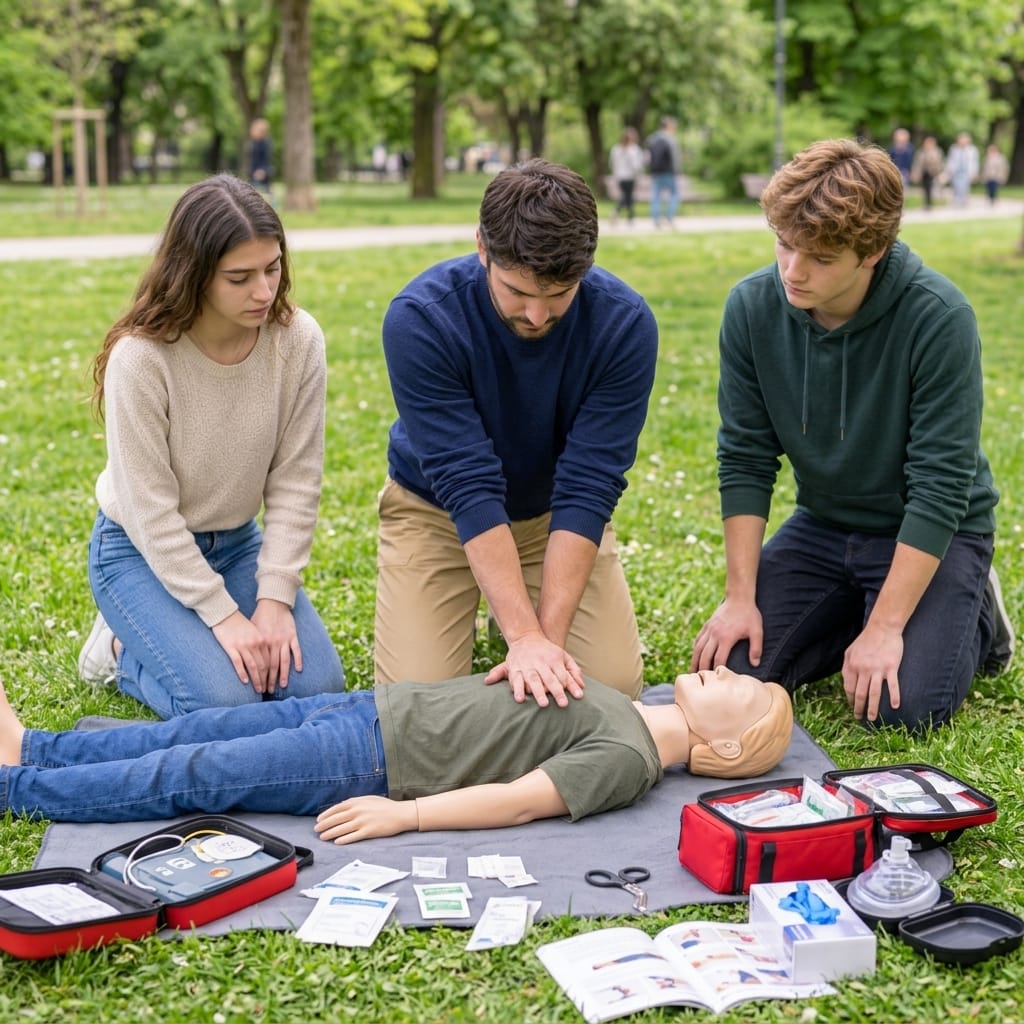
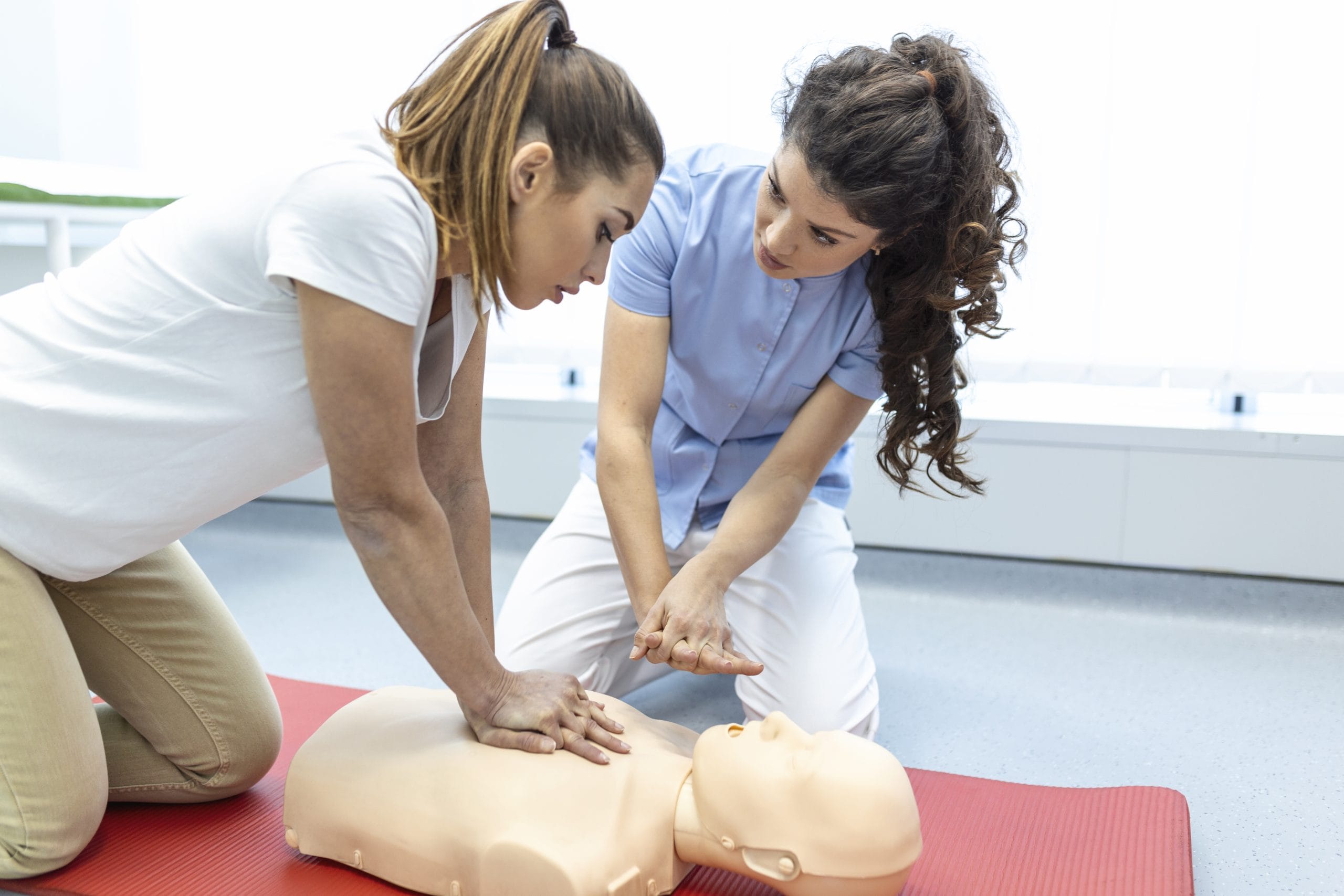
- Skill: Hands-on drills teach you proper compression depth, AED pad placement, and choking relief.
- Safety: You learn to check a scene for hazards and protect yourself before stepping in.
- Peace of mind: You feel ready to help family members, coworkers, and strangers alike.
Each practice round reinforces these habits, making your response more automatic when stress runs high.
Value for Families
Most medical emergencies happen at home, making trained parents and caregivers the real first res-ponders when a toddler chokes or an older relative collapses. Kids also pick up calm problem-solving by watching adults handle injuries steadily, and teenagers who take a course become far more capable babysitters. Practicing a quick home emergency routine together and posting emergency numbers in a visible spot keeps the whole household prepared.
Value for Workplaces
Ontario workplace rules under Regulation 1101 require employers to have a certified first aider on duty during every shift. Workplaces with one to five workers per shift must have someone trained in Emergency (Basic) First Aid, while larger shifts require Standard (Intermediate) First Aid. Employers also need to post inspection signage, maintain a stocked first aid kit, and ensure certificates come from a WSIB-approved provider. Beyond compliance, trained teams handle injuries faster, reduce lost work time, and show staff that their safety matters.
Training Builds Stronger Communities
Every trained bystander becomes an active link in the chain of survival neighbors, coaches, and coworkers who can back each other up when something goes wrong. Schools, sports clubs, and local businesses often book group classes together so everyone shares the same emergency routine, and community events can reinforce those skills with short hands-on practice stations.
How to Get Started
- Decide which course level fits your household or workplace requirements.
- Confirm that the training provider is WSIB-approved if you need workplace certification.
- Choose between a full in-person class or a blended online-and-classroom format.
- Attend the session and practice every skill on the training manikins.
- Note your three-year expiry date and book a refresher course before your skills fade.
When comparing classes, ask about group size and hands-on practice time smaller classes usually give you more direct coaching from the instructor.
What the Experts Say
Public health organizations consistently point to bystander readiness as a deciding factor in survival. Heart & Stroke highlights how immediate CPR and AED use dramatically improve cardiac arrest outcomes, while the Canadian Red Cross outlines clear, standardized training steps for both basic and intermediate certification.
Be Ready to Act
Canadian HSE offers First Aid and CPR training in Kitchener with instructors who focus on hands-on practice for everyday emergencies. Whether you register individually or schedule a group session for your workplace, you leave ready to respond. Contact Canadian HSE to check upcoming dates and find the right course for you or your team