
If you’ve been putting off booking a first aid course, you’re not alone. Most people hesitate for the same handful of reasons: they’re not sure how long it’ll take, they don’t know what it costs, and they’re a little unsure what actually happens on the day itself. Those are all fair questions, and honestly, they deserve straightforward answers, not vague marketing language. This FAQ walks through exactly what to expect, including first aid course length, what Ontario programs typically require, and what first aid certification costs in practice so that you can book with confidence instead of hesitation.
How Long Does Certification Take?
Course length depends entirely on which certification level you need:
- Emergency First Aid (now called Basic First Aid): typically a single day, around 6 to 8 hours, covering core life-saving skills like CPR, choking response, and bleeding control.
- Standard First Aid (now called Intermediate First Aid): typically spans two days, around 13 to 16 hours total, building on Basic content with more advanced injury and illness management.
- CPR/AED-only courses: often just a few hours, ideal for those who only need CPR certification rather than full first aid training.
- Recertification courses: generally shorter than the full initial course, often completed in a single day, provided your existing certificate hasn’t fully expired.
How Much Does It Cost?
Pricing varies by provider, course level, and format, but as a general guide, most Ontario first aid and CPR courses fall somewhere between $60 and $170. Several factors influence where a course lands in that range:
- Certification level – Basic First Aid courses are generally less expensive than Intermediate First Aid, which covers more content over a longer period.
- Course format – blended online-plus-in-person courses are sometimes priced differently than fully in-person sessions.
- Group vs. individual registration – many providers offer discounted group rates for workplaces booking multiple staff at once.
- Included materials – some providers bundle course manuals, certification fees, and even a retake attempt into the price, while others charge separately.
Because pricing shifts over time and by provider, it’s always worth confirming current rates directly with your chosen training provider before booking.
Online vs. In-Person: Which Should You Choose?
Both formats can lead to the same recognized certification, provided the required hands-on component is included. In-person courses offer full hands-on practice throughout, which some learners find easier for building confidence. Blended courses let you complete the theory portion online at your own pace, then attend a shorter in-person session focused purely on skills practice, ideal if you’re managing a tight schedule. What matters most is confirming that whichever format you choose includes an in-person skills assessment, since fully online-only courses without any practical component generally aren’t accepted for workplace compliance in Ontario.
What to Bring on Course Day
Showing up prepared makes the day go smoothly. Generally, you’ll want to bring:
- Government-issued photo ID for identity verification.
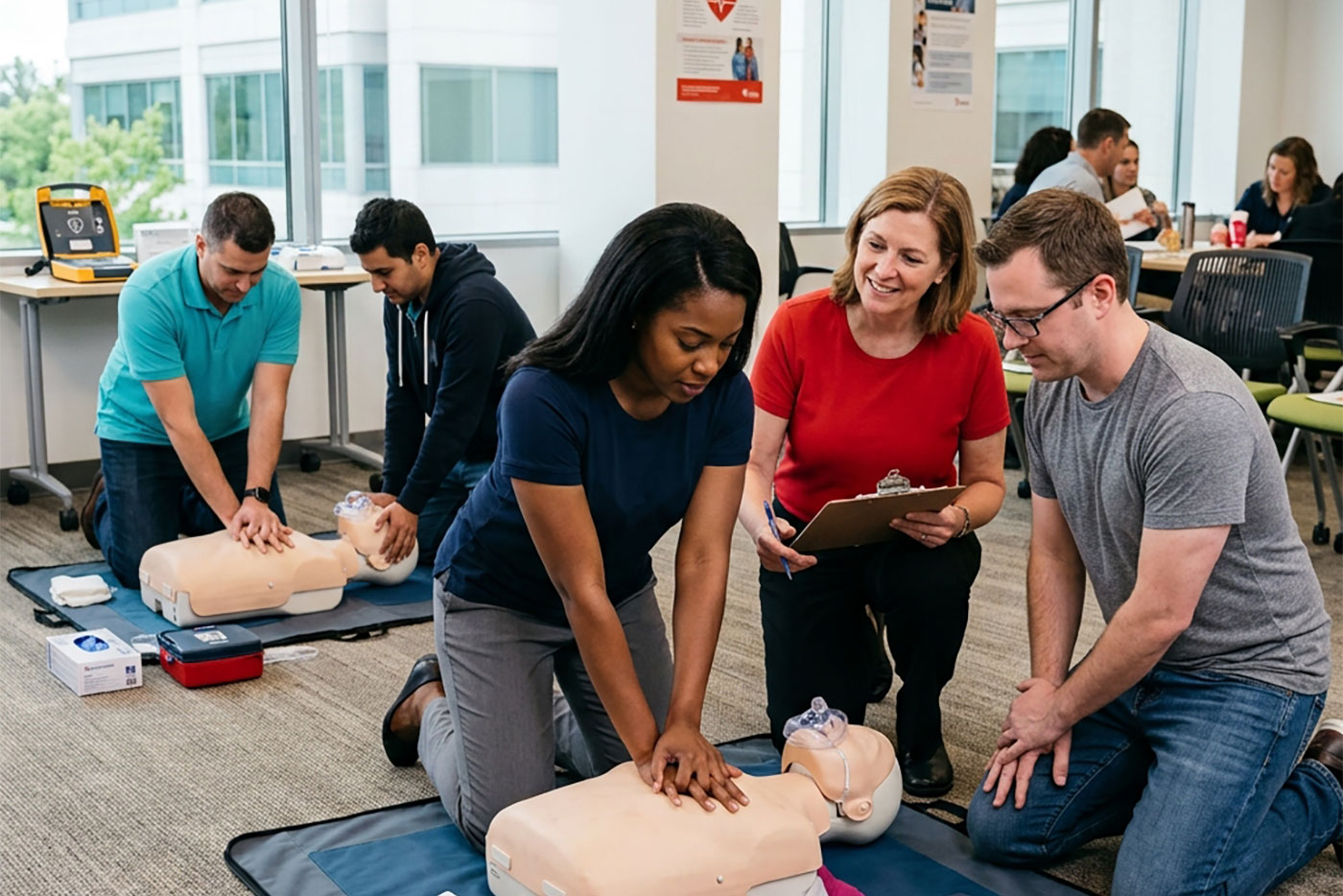
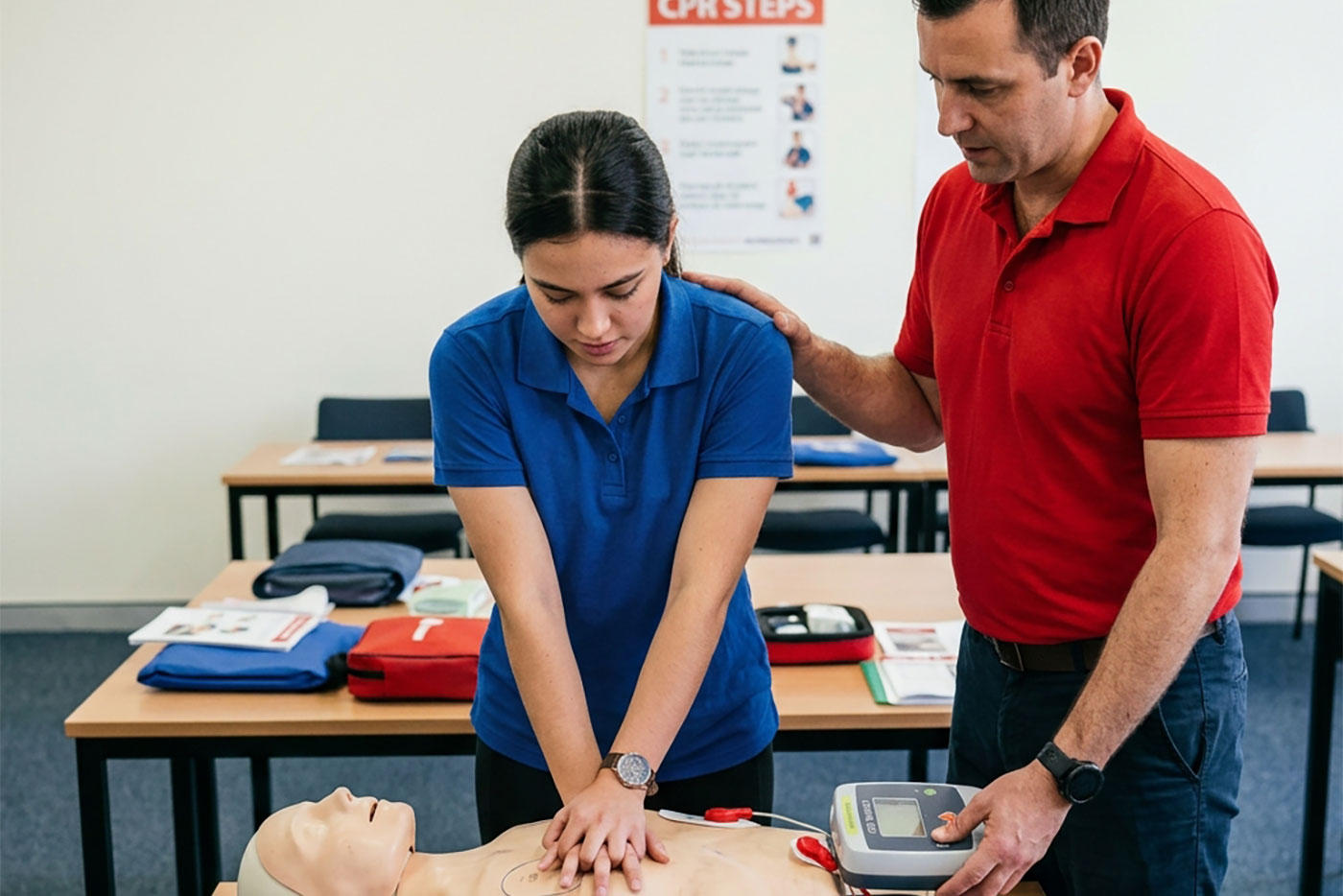
- Comfortable clothing you can move in, since you’ll be practicing physical skills like CPR and bandaging.
- Any pre-course materials your provider asked you to review or complete beforehand.
- A note of any physical limitations that might affect your ability to perform certain hands-on skills, so your instructor can accommodate you.
How the Certification Exam/Evaluation Works
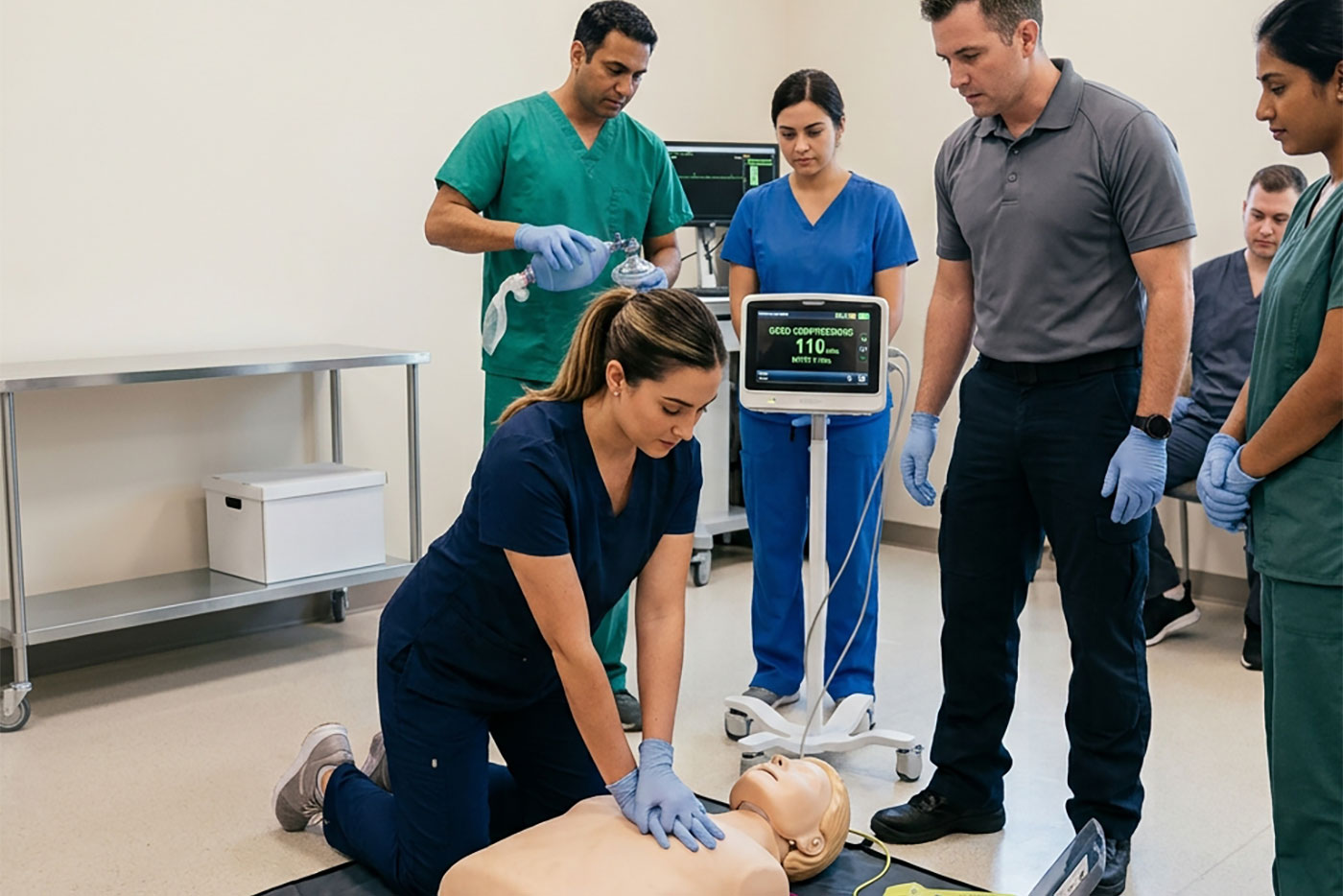
Certification typically involves two components: a practical skills assessment and a written knowledge evaluation. During the practical portion, your instructor observes you performing skills like CPR, bandaging, and choking response on a manikin or training partner, offering correction and feedback along the way rather than simply grading you cold. The written evaluation usually consists of multiple-choice questions, with most providers requiring a minimum passing score, often around 75 percent, to receive certification.
How Long Is Your Certification Valid For?
Under Ontario Regulation 1101, first aid certifications issued by WSIB-approved providers are generally valid for three years from the date of completion. After that, recertification is required, either through a full retake or a shorter recertification course, provided your existing certificate hasn’t lapsed beyond your provider’s allowed grace period. You can review current Ontario workplace first aid standards directly via the WSIB First Aid
You’re Certification Path at a Glance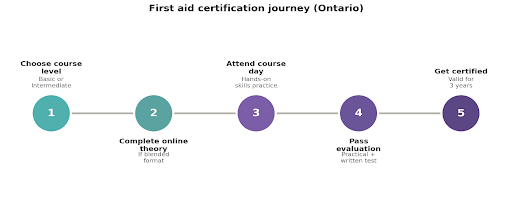
Here’s a simple overview of how the certification process typically flows from start to finish.
Ready to Get Certified?
Now that you know what to expect, there’s no reason to keep putting it off. Canadian HSE, based in Kitchener, offers WSIB-approved first aid and CPR certification with transparent pricing, flexible scheduling, and instructors who make the process straightforward from start to finish.