
If you’ve been putting off getting certified in CPR, this is your sign to stop waiting. Whether you’re a new parent, a teacher, a fitness instructor, or someone who wants to feel a little more prepared in an emergency, CPR Training Kitchener has more options than ever heading into 2026. And honestly, learning this skill is one of those things that feels intimidating until you actually sit down and do it; then you walk away wondering why you didn’t do it sooner.
Why CPR Training Matters More Than You Think
Cardiac arrest doesn’t wait for a convenient moment. It happens at home, at work, at the grocery store, on a soccer field. The people most likely to save a life in those first critical minutes aren’t paramedics; they’re bystanders. Someone who happened to know what to do. That’s the entire point of CPR Certification Waterloo programs: turning ordinary people into capable first responders.
The stats back this up too. Effective bystander CPR, performed in the first few minutes of cardiac arrest, can double or even triple a person’s chance of survival. That’s not a small thing. That’s the difference between a tragedy and a story someone tells for the rest of their life about the time a stranger stepped in.
What to Look For in a Course
Kitchener-Waterloo has a genuinely solid selection of training providers, but not all courses are created equal .Focus on these key factors when comparing your program options:
- Instructor experience. A good class isn’t just slides and a mannequin; it’s someone who’s spent real time teaching this material and can answer you’re “what if” questions with confidence.
- Certification validity. Make sure the certificate you walk away with is recognized by employers, licensing bodies, and daycare or healthcare regulators across Ontario.
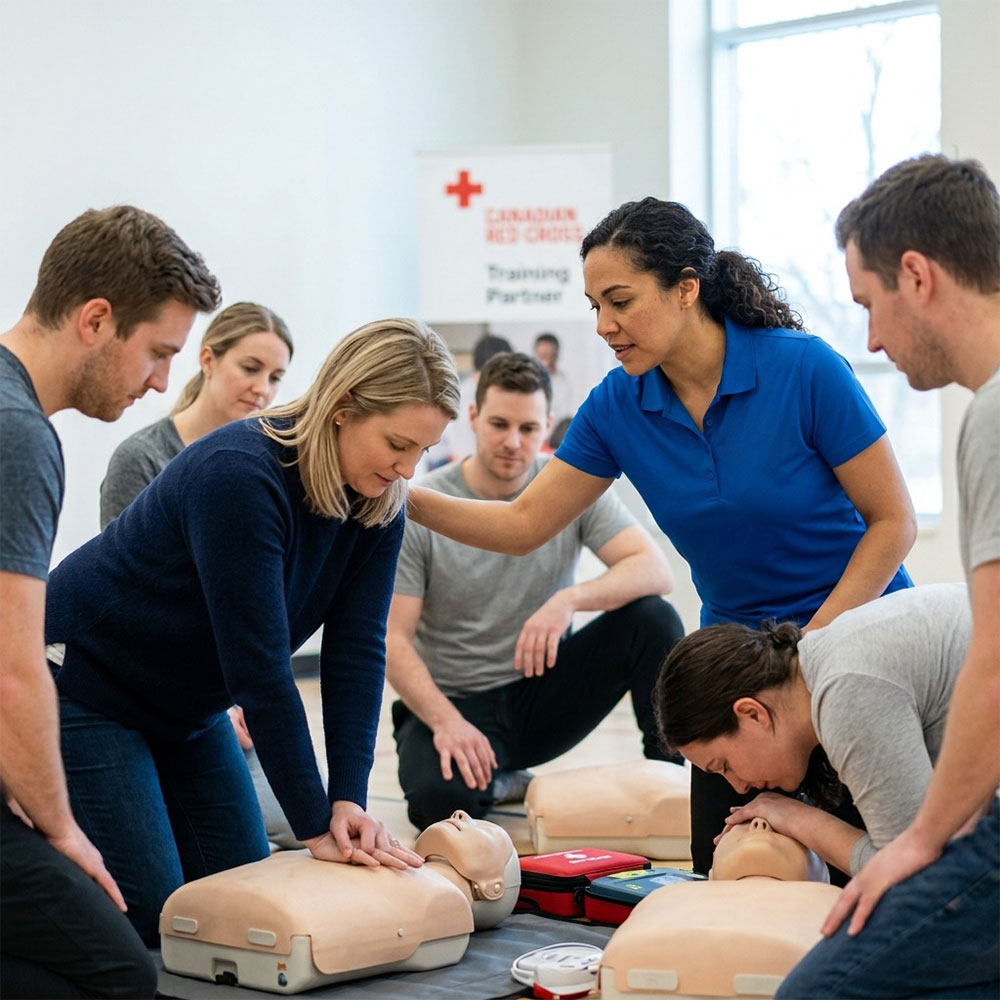
- Hands-on practice time. CPR is a physical skill. You need to actually feel the compressions, practice with an AED, and work through choking scenarios, not just watch a video.
- Class size. Smaller groups mean more personal feedback from your instructor and honestly, that’s what builds real confidence by the end
Red Cross CPR: The Gold Standard
When people search for reliable training, Red Cross CPR consistently comes up as the trusted name, and for good reason. The Canadian Red Cross has decades of experience building courses that are evidence-based, regularly updated to reflect the latest resuscitation science, and recognized nationwide. Their certifications are accepted by employers, schools, and regulatory bodies across the country, which matters if you’re getting certified for professional reasons.
Red Cross courses in the region typically cover CPR levels A and C, BLS (Basic Life Support), AED use, and first aid basics. If you’re weighing your options, starting your search with Red Cross-affiliated providers is rarely a bad move.
First Aid and CPR Courses: Why Bundling Makes Sense
Here’s a practical tip, most people don’t just need CPR skills in isolation. First Aid and CPR Courses that combine both topics are usually the smarter investment. Think about it: the emergencies that call for CPR often come bundled with other injuries or complications. Knowing how to manage bleeding, shock, burns, or fractures alongside cardiac response gives you a much more complete toolkit. Plus, many combined courses cost about the same as taking CPR alone, so you’re getting more value for your time and money.
Getting Certified for the Workplace
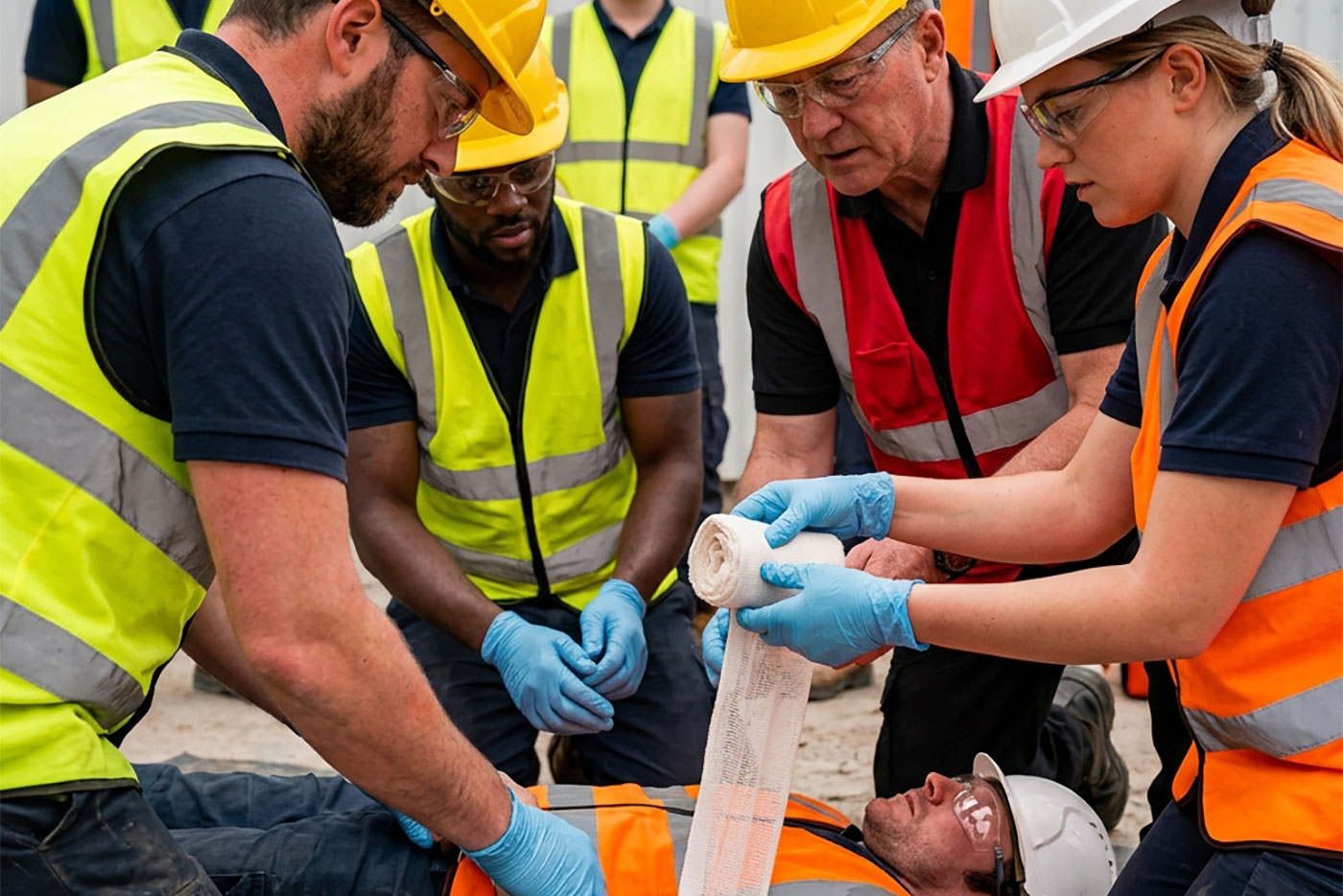
If your employer requires certification, Workplace CPR Training has specific considerations you’ll want to keep in mind. Many workplaces, construction sites, gyms, schools, and daycare centers have legal obligations under Ontario’s health and safety regulations to have certified staff on-site. Look for providers offering group rates, on-site training options, and flexible scheduling for shift workers. Some Kitchener-Waterloo providers even offer evening and weekend sessions specifically designed around busy work schedules, which makes squeezing in certification a lot less painful.
Planning Your 2026 Certification
Course schedules tend to fill up quickly, especially in January and September when new hires and returning students are looking to get certified. If you’re eyeing a specific provider, it’s worth checking their calendar early and booking a few weeks ahead rather than scrambling last minute.
Your Next Steps: Getting Certified in Kitchener-Waterloo
Getting certified isn’t just a box to check for work or school; it’s a genuinely useful life skill that could matter more than you’d ever expect. With so many reputable training providers across Kitchener-Waterloo, including established local options like CHSE, there’s really no excuse to keep putting it off. Do a little research, compare a couple of providers, and get signed up. Future-you (and possibly someone else’s future) will thank you