Parents don’t only want a babysitter who likes kids. They want someone who understands safety, care, and basic child development. In a babysitter course learner get knowledge. That’s exactly what a babysitter course is designed to teach.
Why Babysitting Skills Matter More than People Think
Babysitting is similar to being a “mini-caregiver” for a short time. They are responsible for:
- a child’s safety
- their emotional comfort
- their routines
- their basic needs
- their behavior
- and sometimes emergencies
This is why learning the basics through a babysitter course is an excellent move, especially for a newcomer in the field.
1) Safety Basics
Safety is the most important part of babysitting. Parents can forgive a messy playroom. They cannot forgive unsafe supervision. A babysitter course teaches you how to prevent accidents before they happen. That includes safety in three main areas:
Home Safety
In-home, risks can include: small objects that cause choking, unsafe stairs, sharp kitchen tools, electrical outlets, bathtubs, and water hazards.
Outdoor Safety
A course on babysitting will cover the following outdoor safety basics: staying within sight and hearing, checking for traffic risks, avoiding strangers, and setting clear boundaries
Emergency Safety
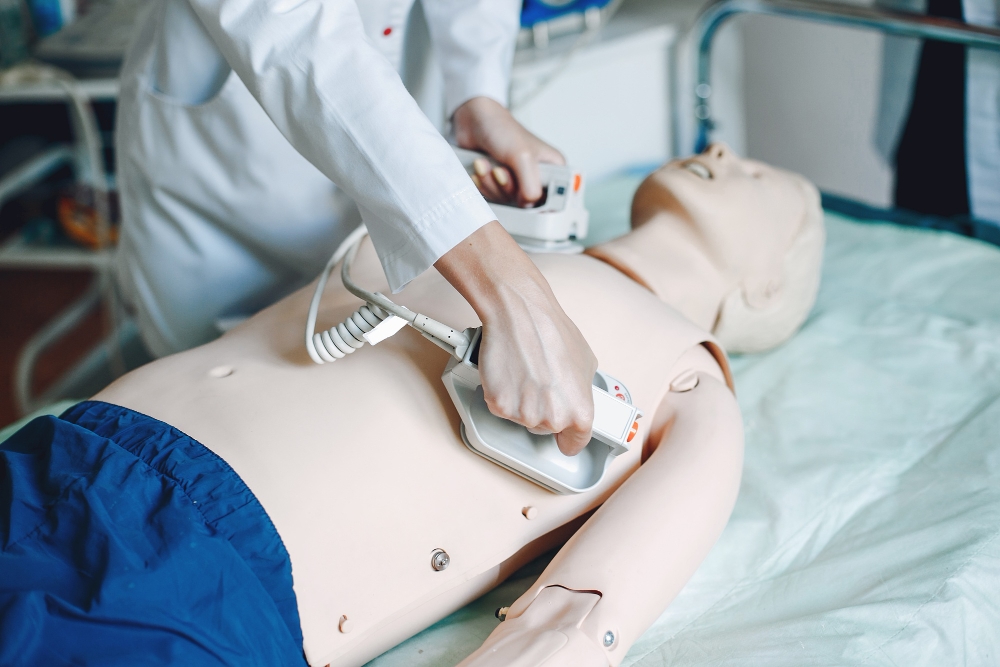
Although it is an online course, there is still learning of emergency awareness, such as when to call parents, when to call the Emergency help line, how to stay calm, and how to follow an emergency plan. Parents trust babysitters who know what to do, even if they never have to do it.
2) Supervision
A course in babysitting can introduce the concept of “active supervision,” which is defined as:
- Keeping children within “safe reach,” especially toddlers
- checking frequently
- staying engaged
- avoiding
3) Basic Care Skills: Feeding, Hygiene, and Comfort
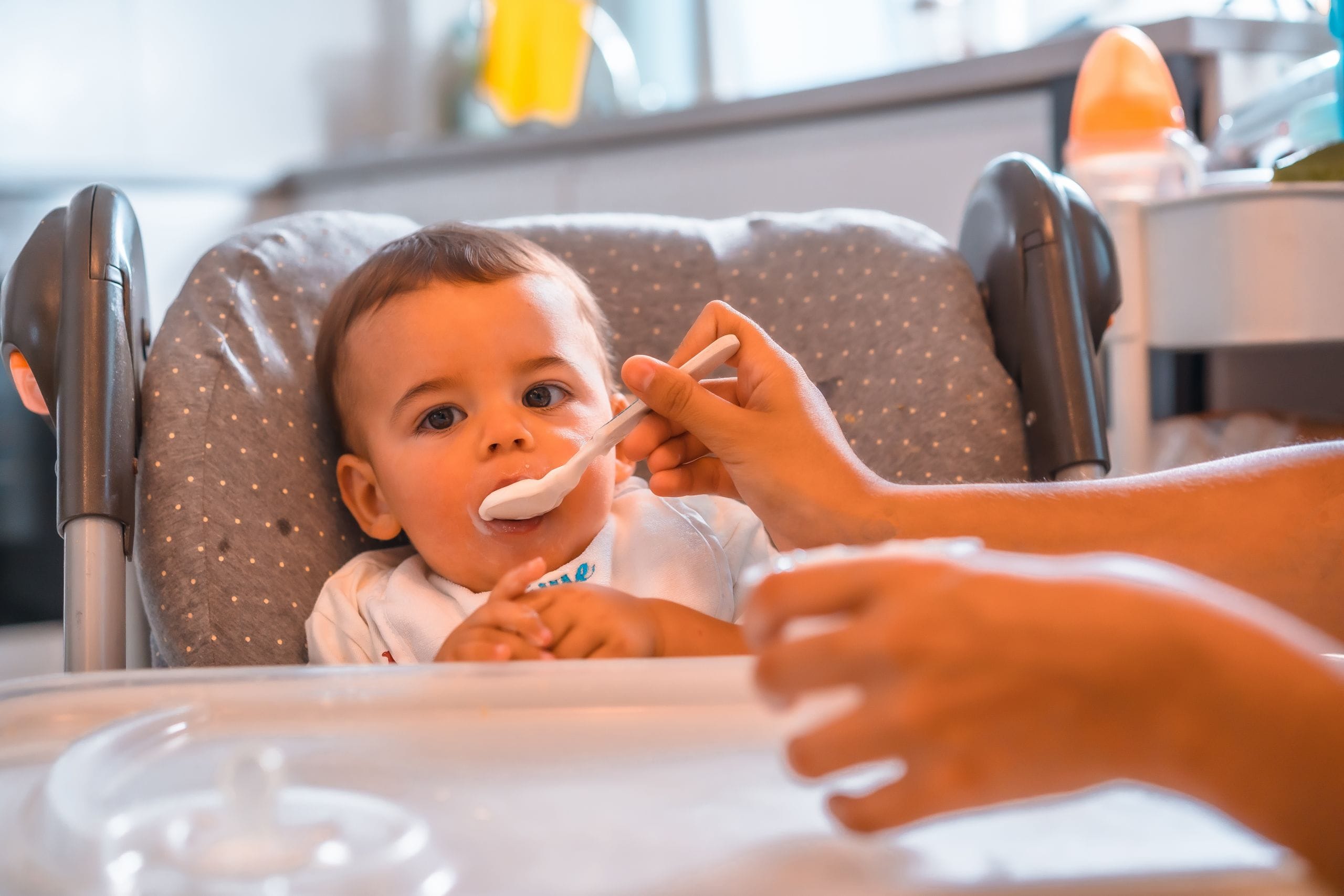
A babysitter course covers the kind of everyday care that parents expect you to handle smoothly.
Feeding and Snack Safety: You learn how to: Prepare simple snacks safely, avoid choking hazards, check for food allergies, and follow parent instructions about meals
Hygiene and Cleanliness
Kids can be messy. A babysitting course helps you learn: Basic rules of hand washing, how to clean up afterwards, after meals, Diapering fundamentals are appropriate for the course level, and Safe bathroom routines for young children.
Comfort and Emotional Care
A babysitter is not merely a supervisor; you’re also the comforter when your parents are away: the significance of babysitter training, like the Red Cross babysitter course, includes how to: calm a child who misses their parents, handle bedtime anxiety, comfort a child following a minor injury, speak softly in times of stress
These are the skills that make kids feel safe, and when kids feel safe, parents trust you more.
4) Behavior Guidance
A Babysitter Course can teach you safe and respectful behavior management skills such as:
- Giving clear instructions
- Setting simple rules
- Using positive language
- Redirecting children
- Staying consistent
- Avoiding power struggles
5) Handling Common Situations Babysitters Face
A Babysitter course will also prepare you for real-life situations, such as:
A Child Won’t Listen
You learn: Stay calm, repeat rules clearly, Use consequences decided by the parents (e.g., no screen time), and avoid shouting
A Child Gets Hurt
You learn: How to respond calmly, how to check the injury, when to call parents, and when to Seek Help
A Child Is Scared at Night
You learn: Once you follow bedtime routines, use comfort techniques, and avoid building new habits, such as staying up all night.
Sibling Arguments
You will also be taught basic conflict handling: separating, listening briefly, setting fair rules, and redirecting them into different activities.
6) How These Skills Help You Get More Babysitting Jobs in the world
For when they see that you understand.
- Safety
- child care basics
- child development
- routines
- respectful discipline
They feel comfortable hiring you again, and they are willing to recommend you to others as well. And that’s how babysitters gain a reputation.
Conclusion: Babysitting Is a Responsibility, Not Just a Side Job
A course in Babysitters teaches you the real foundation of how to babysit:
- Safety (preventing accidents and staying alert)
- Care (feeding, hygiene, comfort, routines
- Child Development Basics (Understanding Needs Based on Age Groups
Although this is an international online course, it still instills the knowledge and self-confidence that parents look for. If you want to be the “babysitter” that parents trust and kids feel comfortable with, this is an excellent course to consider the real foundation of babysitting: