
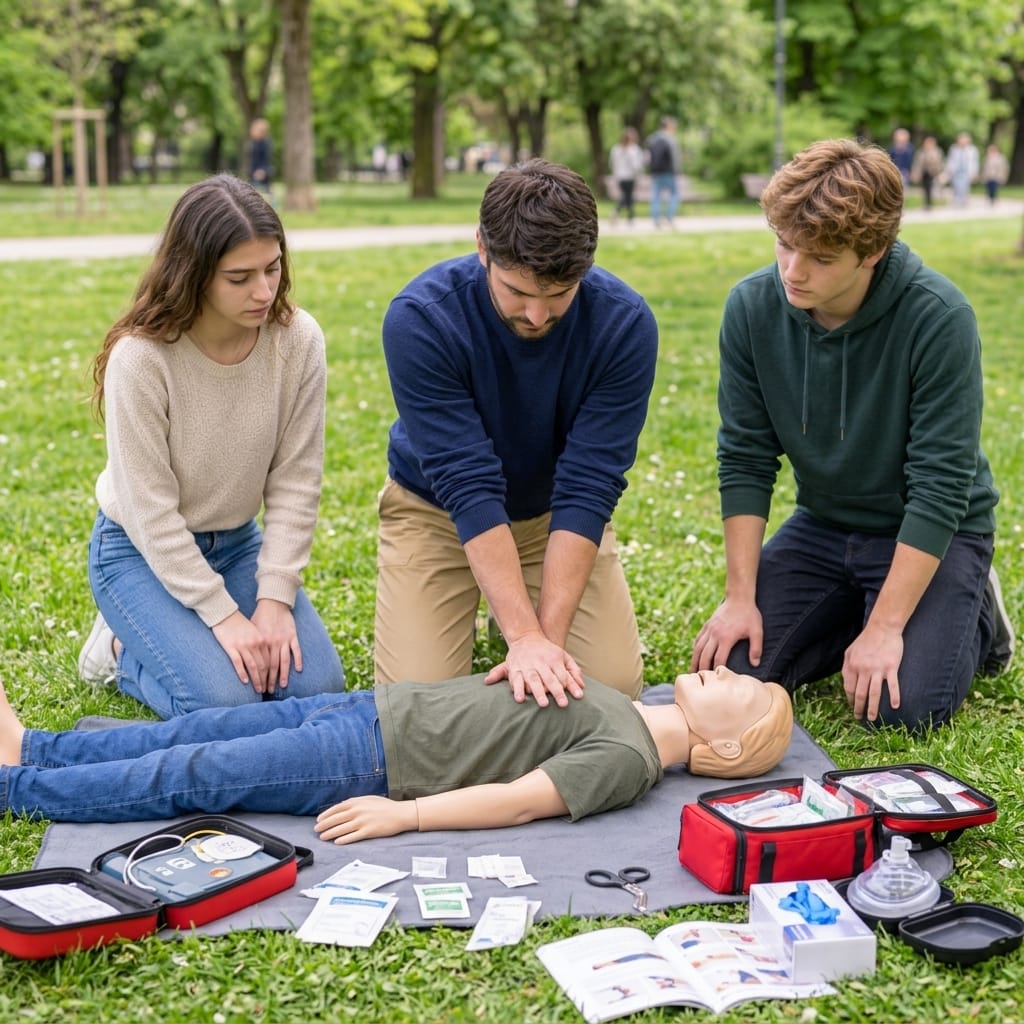
Emergencies rarely follow a script. A child chokes at dinner, or a coworker collapses at their desk. However, panic can freeze even the bravest people. First Aid and CPR Training replaces that panic with a clear plan. As a result, you can act within seconds instead of waiting.
Why Quick Action Matters
The Heart & Stroke Foundation reports about 60,000 cardiac arrests outside hospitals each year in Canada. That works out to one every nine minutes. However, only about one in ten people survive. Because paramedics need time to arrive, bystanders often shape the outcome. Therefore, the first few minutes matter most. Heart & Stroke also stresses that you cannot hurt someone by giving CPR.
What You Learn in a Course
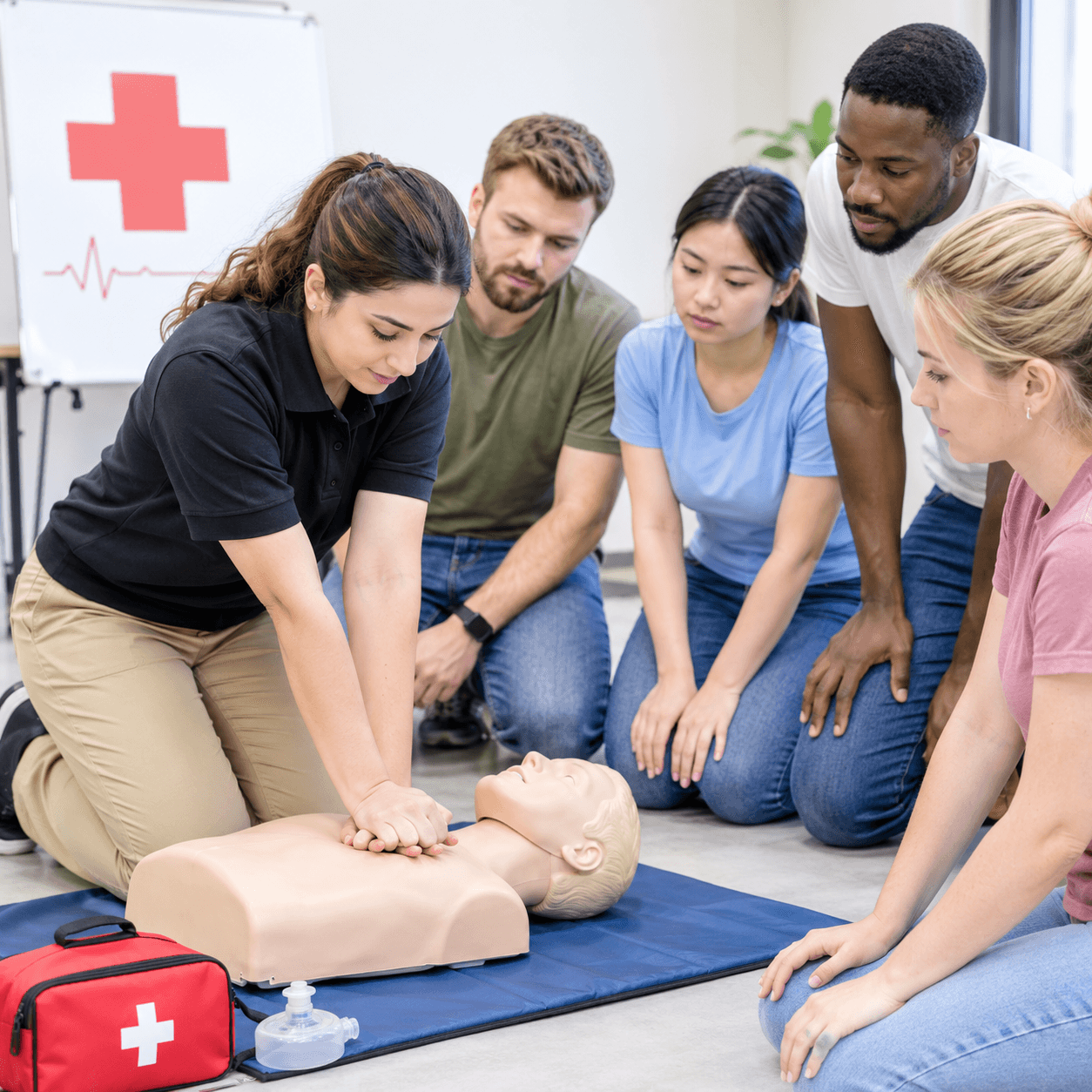
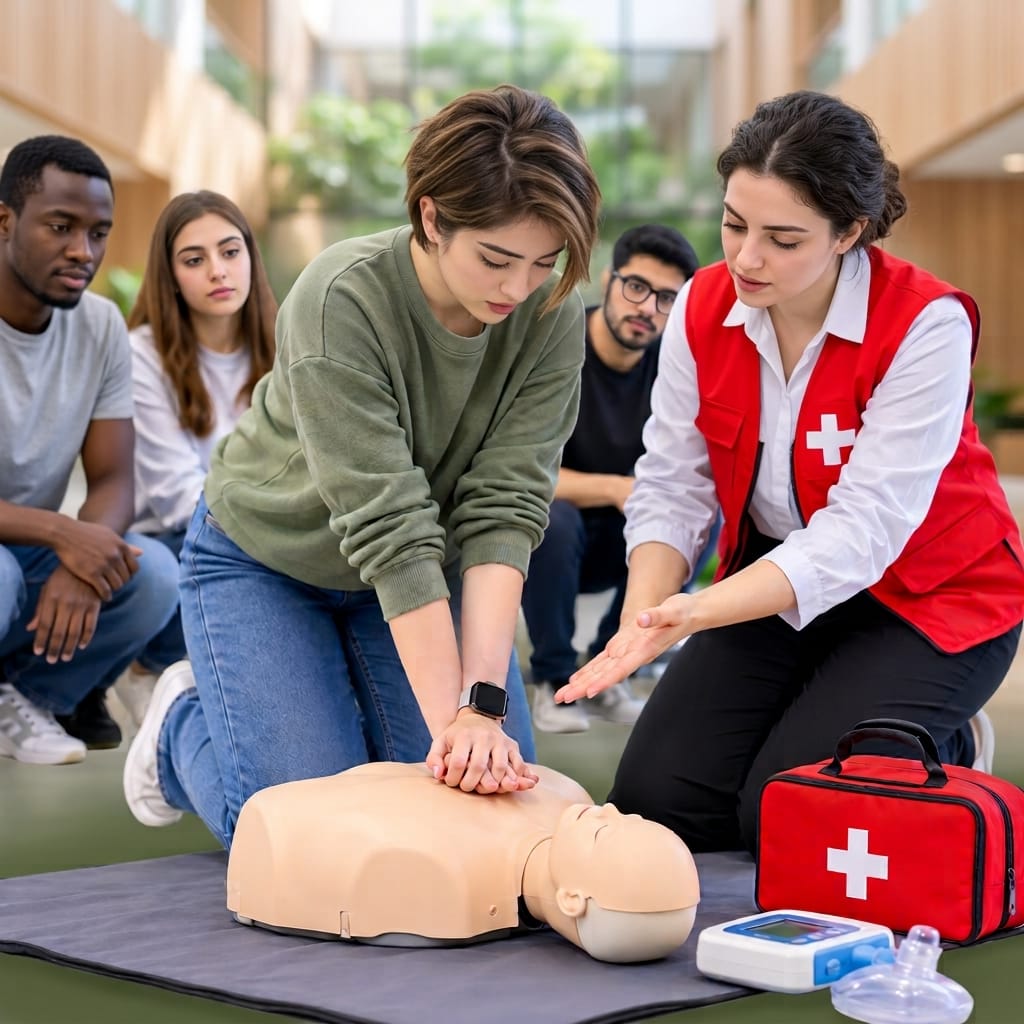
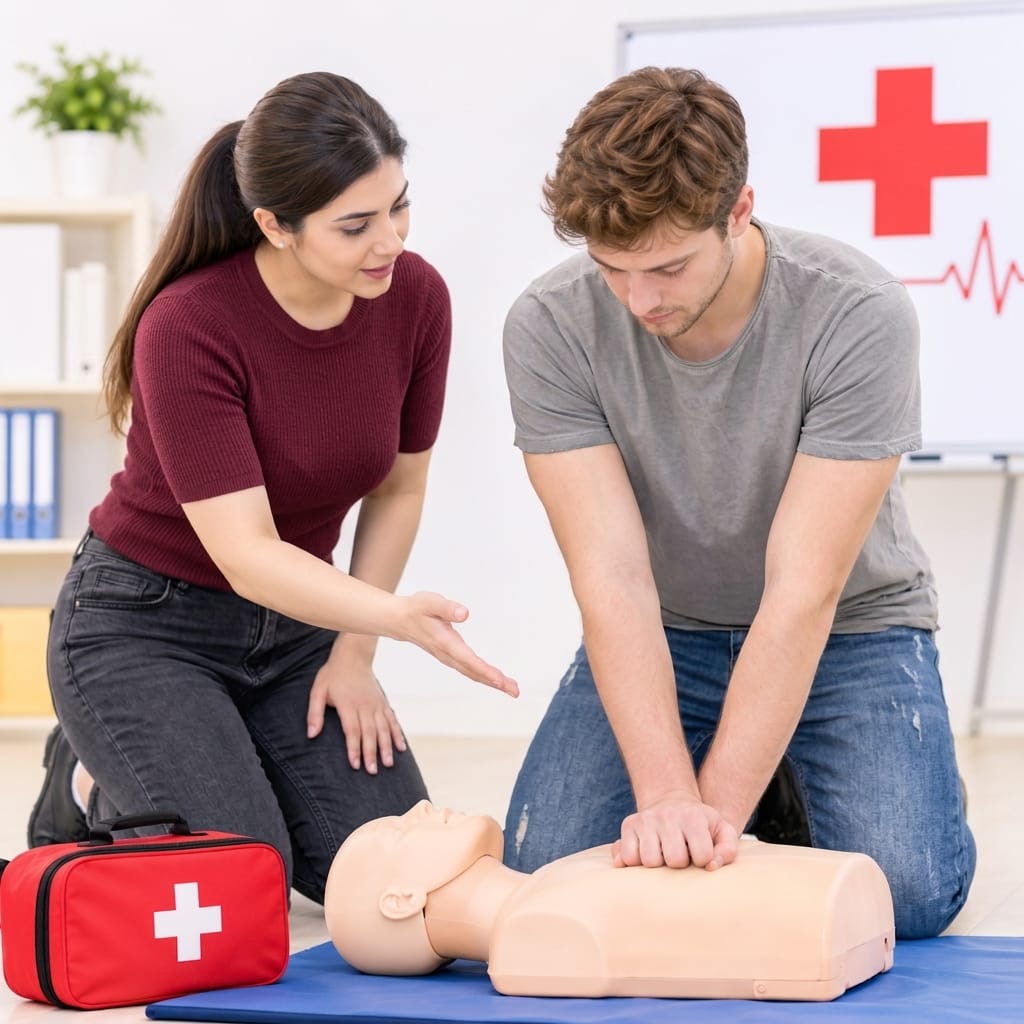
Practical courses teach simple, repeatable steps. For example, you learn how to check a scene and call for help. You then practice CPR and AED use on manikins. Additionally, you learn choking relief, bleeding control, and burn care. Meanwhile, repeated practice builds muscle memory.
Real-Life Situations Where Training Pays Off
Moreover, training applies far beyond the classroom. Consider these common situations:
- Choking at home: you can clear the airway with back blows and abdominal thrusts.
- Cardiac arrest at work: you can start CPR and send someone for the AED.
- Serious bleeding after a fall: you can apply firm pressure until help arrives.
- Burns in the kitchen: you can cool the burn and protect the skin.
- Severe allergic reactions: you can recognize the signs and call 911 fast.
A Simple Plan for Any Emergency
Training gives you a reliable routine to follow:
- First, check that the scene is safe.
- Next, call 911 or ask someone nearby to call.
- Then, begin care using the skills you practiced.
- Finally, stay with the person until paramedics arrive.
Confidence Is the Real Benefit
Knowing what to do changes how you feel under pressure. Moreover, trained people stay calmer and think more clearly. Employers also benefit, because Ontario Regulation 1101 requires a certified first aider on every shift. Consequently, trained teams keep workplaces compliant and safer.
What the Research Says
Two trusted sources back this up. The Heart & Stroke news release explains why bystander action improves survival. Meanwhile, the Canadian Red Cross Basic/Emergency First Aid & CPR page outlines what a certified course covers.
Choosing the Right Course
Several formats exist, so pick the one that fits your life:
- In-person classes suit hands-on learners.
- Blended courses combine online lessons with in-class practice.
- Refresher courses keep your skills sharp after certification.
Before you enroll, follow these steps:
- Confirm that the provider is WSIB-approved.
- Check that the course includes a skills evaluation.
Note the certificate length, which is usually three years
Get Trained Today
Canadian HSE offers First Aid and CPR Training in Kitchener. Additionally, their instructors focus on hands-on skills for real emergencies. As a result, you leave ready to act. Explore your options with Canadian HSE today, or contact us for personal guidance