
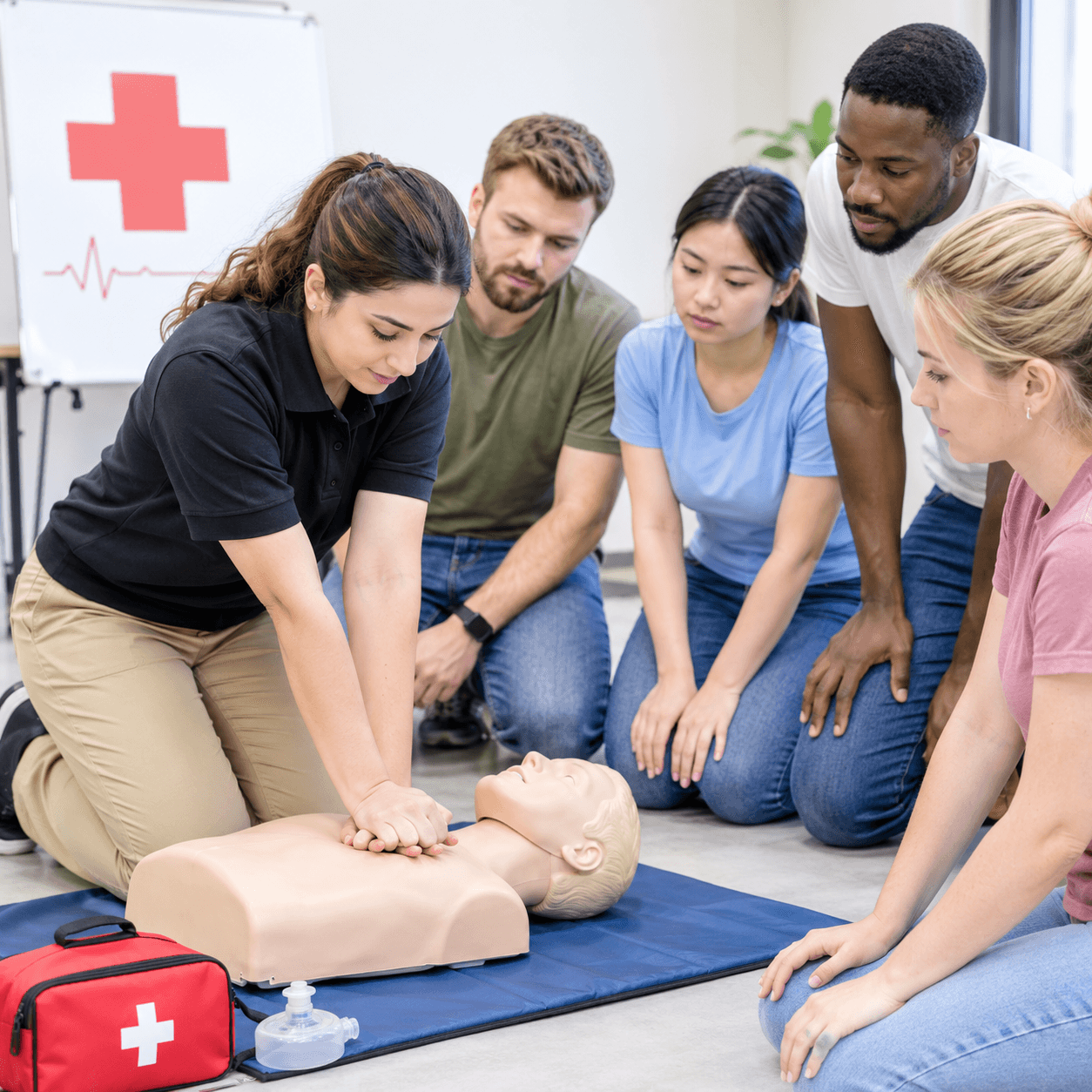
Kitchener-Waterloo workplaces, schools, and families all need people who can respond in an emergency. However, finding the right course can feel confusing. First Aid Training in Kitchener follows clear provincial rules, so your choices matter. Therefore, understanding those rules saves both time and money. This guide explains what CPR-C/AED training covers. It also shows how to pick a trusted provider nearby. Meanwhile, it highlights what employers must do under Regulation 1101. Everyone gains from clear, trusted information. Local knowledge also helps you compare options quickly.
Why Local Training Matters
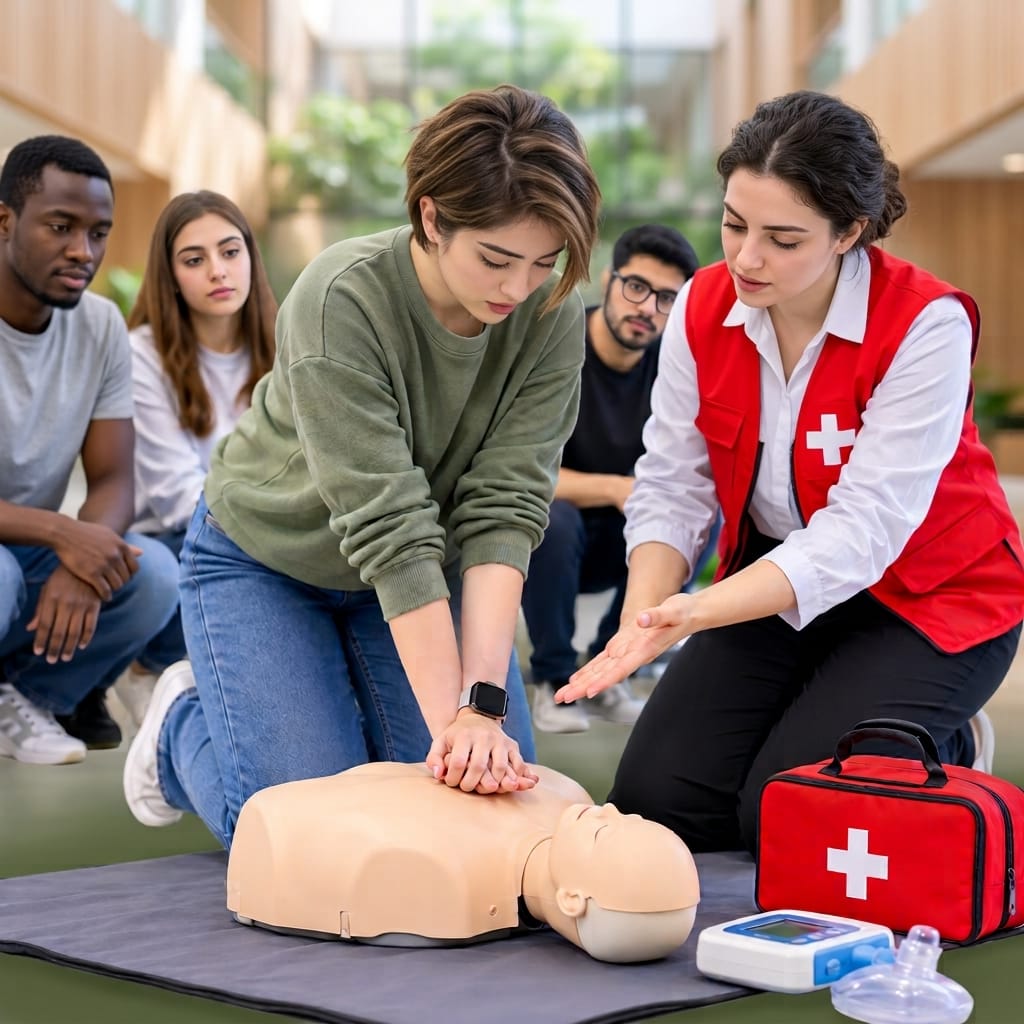
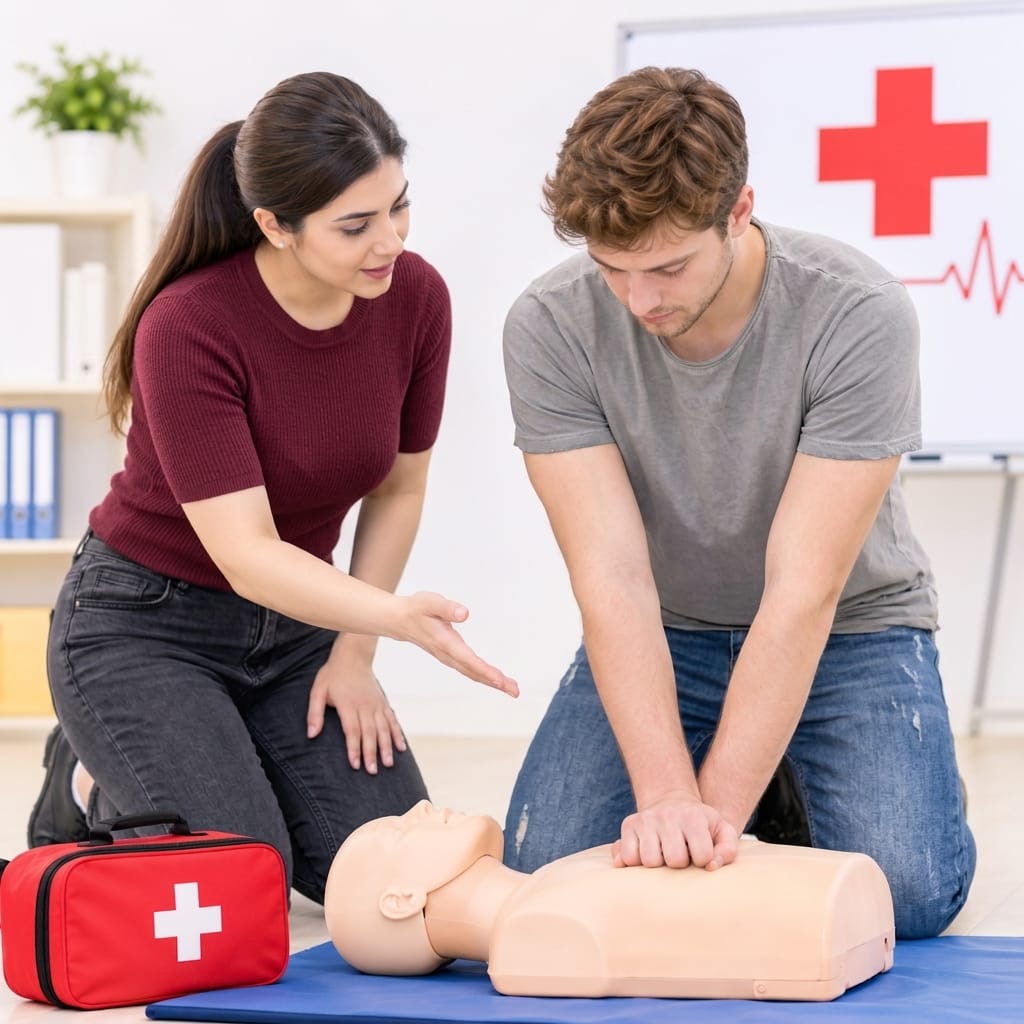
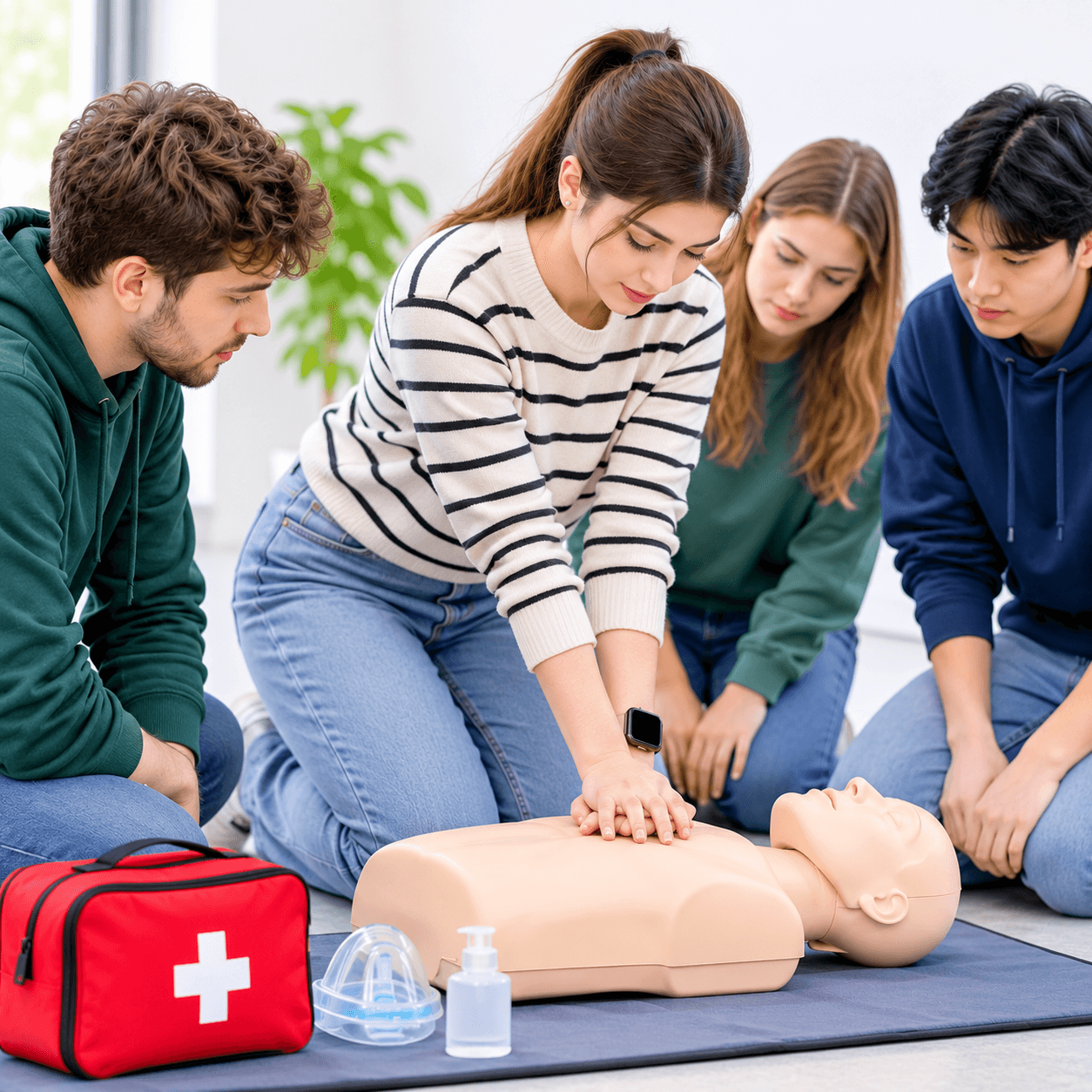
Training close to home saves travel time and keeps teams together. For example, Kitchener-Waterloo employers can book on-site sessions for entire shifts. In addition, small in-person classes allow more coaching from the instructor. CPR is a physical skill, so hands-on practice matters. Therefore, choose a class where you practice on manikins. Local courses also make re-certification easier every three years. Meanwhile, employers can schedule refreshers without long trips. As a result, skills stay sharp and teams stay prepared. Instructors can tailor examples to offices, warehouses, schools, or clinics. Besides, teams that train together communicate better during real incidents. Close-by classes also reduce missed work time. Short drives mean fewer excuses to postpone training.
What CPR-C/AED Training Covers
A standard course teaches practical skills for real emergencies. CPR-C covers adults, children, and infants. Additionally, instructors give feedback so your technique improves quickly. Each skill builds on the last, and repetition makes the steps automatic. As a result, you leave with real confidence. Expect to learn these core skills:
- CPR and AED use: you practice compression, breaths, and defibrillator steps.
- Choking response: you learn techniques for adults, children, and infants.
- Bleeding and wounds: you control bleeding and dress common injuries.
- Medical emergencies: you recognize shock, allergic reactions, and heart attacks.
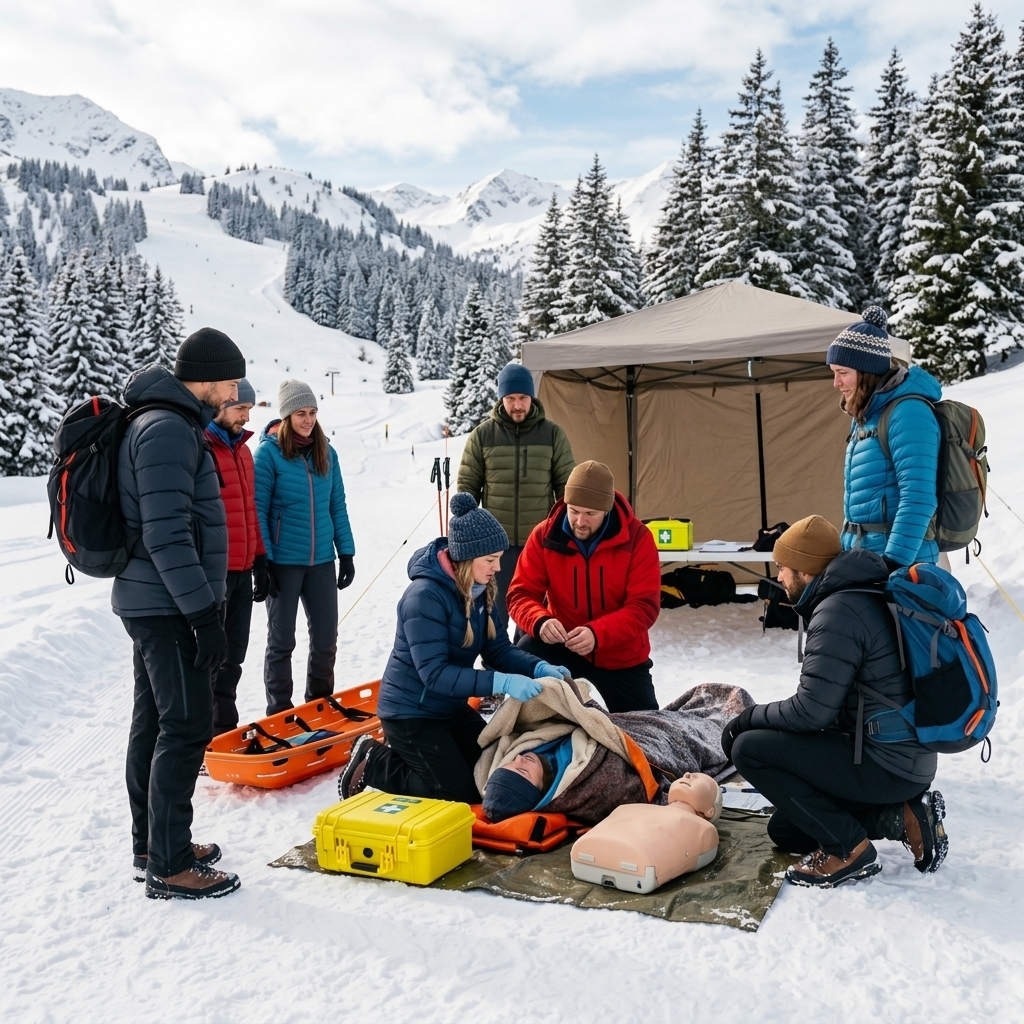
- Scene safety: you check for hazards and call 911 correctly.
Basic or Intermediate? How to Choose
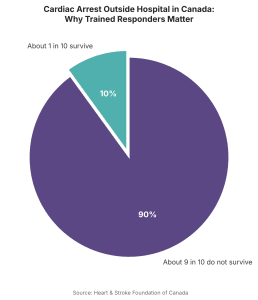
Ontario sets the course level by workers per shift. Since June 2026, Basic and Intermediate First Aid replace the old Emergency and Standard names. Review your numbers whenever staffing changes. Seasonal and part-time workers count too. The pie chart below shows why trained res ponders matter. Therefore, follow these steps:
- First, count the maximum workers on your busiest shift.
- Next, choose Basic First Aid for one to five workers.
- Then, choose Intermediate First Aid for six or more workers.
- Finally, confirm that your provider is WSIB-approved.
Pie chart showing that only about 1 in 10 people survive cardiac arrest outside hospital in Canada, while about 9 in 10 do not
What the Rules Say
Employers must keep a certified first aid on every shift under Regulation 1101. However, only WSIB-approved providers can issue valid workplace certificates. Therefore, always verify approval before you book. The WSIB-approved provider finder lets you search by location, level, and format. Approved providers also display a First Aid Program badge on their websites. Certificates generally stay valid for three years. Meanwhile, tracking expiry dates prevents gaps in coverage. In addition, keep training records in one place for inspections. Inspectors may ask to see certificates, so keep copies handy. Employers carry the legal responsibility for compliance. A quick quarterly review keeps everything on track.
Train Close to Home, Respond with Confidence
Ready to get started? Canadian HSE offers First Aid Training in Ontario from its Kitchener base. Its courses focus on practical skills for real workplaces. As a result, your team can train close to home. You can also explore options with Canadian HSE today. Meanwhile, the process stays simple whether you train one person or a full team. Reach out with your shift sizes and questions. The team can answer questions about levels, dates, and renewals. Small steps today build safer workplaces tomorrow. Contact us to confirm which course level and date suit your needs.