
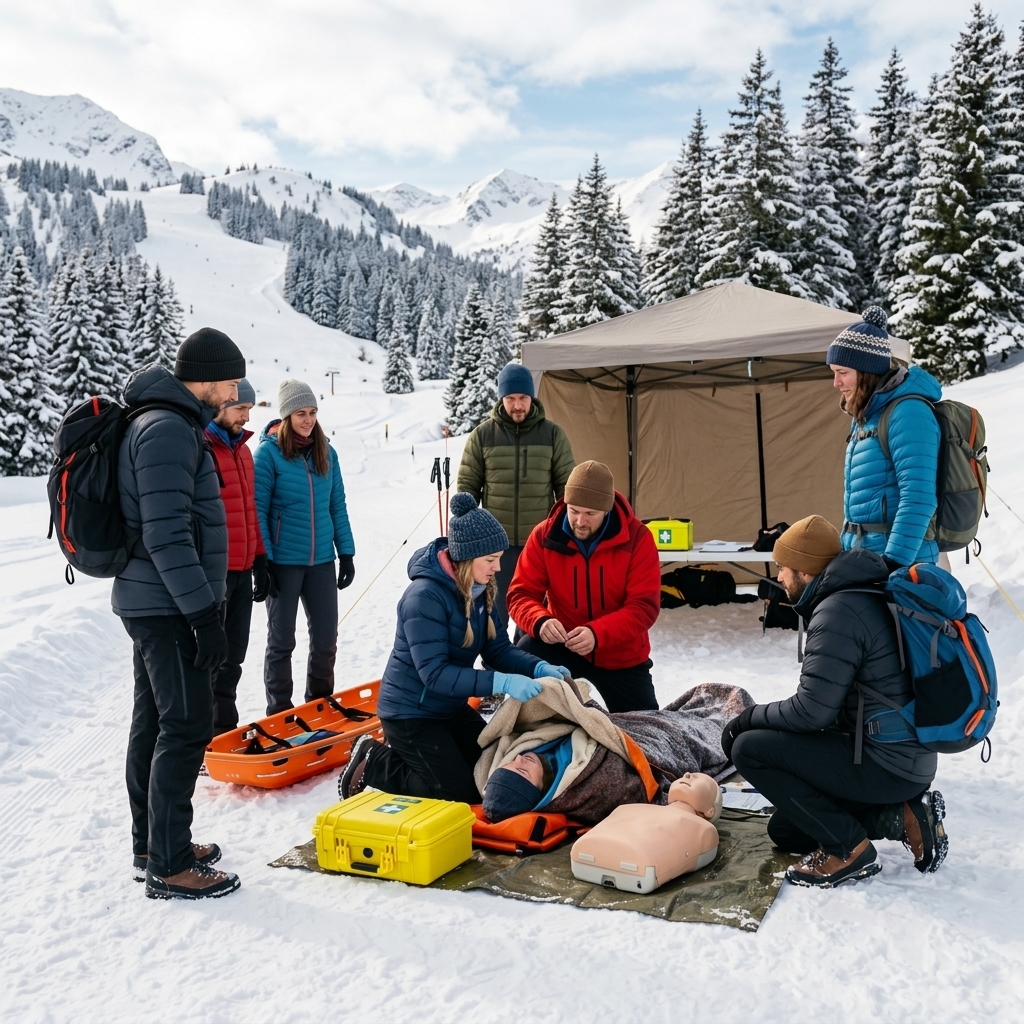
Ontario winters are no joke. Between plunging temperatures, biting wind chill, and the sheer amount of time many of us spend outdoors- shoveling, commuting, working, or just walking the dog- cold weather creates real risk that’s easy to underestimate. Knowing solid winter first aid tips isn’t just for hikers and outdoor workers; it’s genuinely useful knowledge for anyone living through a Canadian winter.
Cold Weather Emergency Preparedness Starts Before You Step Outside
Good cold weather emergency preparedness begins well before an emergency happens. A few simple habits make a real difference:
- Dress in layers. A few lighter layers trap warmth more effectively than one heavy coat, and they let you adjust as conditions change.
- Cover vulnerable areas. Fingers, toes, ears, and nose are most at risk of frostbite, so gloves, warm socks, and a toque genuinely matter.
- Check the wind chill, not just the temperature. Wind chill can make conditions feel and behave far colder than the thermometer suggests.
- Stay hydrated. Drink plenty of fluids during winter activity, and avoid caffeine or alcohol, both of which can contribute to dehydration.
- Carry emergency basics in your vehicle. A blanket, extra layers, and high-energy snacks can make a real difference if you’re ever stranded.
Recognizing and Responding to Hypothermia
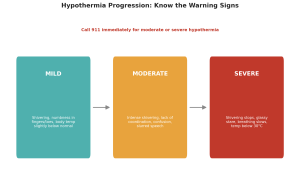
Understanding hypothermia first aid starts with recognizing that it develops in stages, and catching it early matters enormously. According to the Canadian Red Cross, hypothermia signs progress from mild to severe:
- Mild: shivering, complaining of cold, numbness in fingers and toes, body temperature slightly below normal.
- Moderate: more intense shivering, lack of coordination or slurred speech, confusion, and impaired judgment.
- Severe: the person stops shivering entirely, shows a glassy stare, breathing slows or stops, and body temperature drops below 30°C, possible unconsciousness.
If you suspect hypothermia, here’s how to help:
- Call 911 immediately if hypothermia is moderate or severe.
- Move the person to a warm, sheltered location as quickly as possible.
- Remove any wet clothing and dry the person thoroughly.
- Warm the person gradually, wrapping them in blankets or dry clothing, and warming the core (chest, abdomen) rather than the extremities first.
- Avoid rapid rewarming, such as immersion in hot water, which can be dangerous.
- Give warm fluids only if the person is fully alert, never if they’re confused or losing consciousness.
Recognizing and Responding to Frostbite
Frostbite happens when skin and underlying tissue actually freeze, most commonly affecting fingers, toes, ears, and the nose. Warning signs include skin that turns red, then numb, hard, pale, or waxy-looking. Here’s how to respond:
- Get the person out of the cold as soon as possible.
- Do not rub or massage the affected area, this can cause further tissue damage.
- Slowly rewarm using lukewarm water or indirect heat, never direct high heat.
- Separate affected fingers or toes with dry, sterile gauze if blisters haven’t formed.
- Avoid letting the area refreeze once it’s been warmed, refreezing causes significantly more damage.
- Seek medical attention promptly, especially for anything beyond mild, surface-level frostbite.
Winter Safety Ontario: Know Before You Go
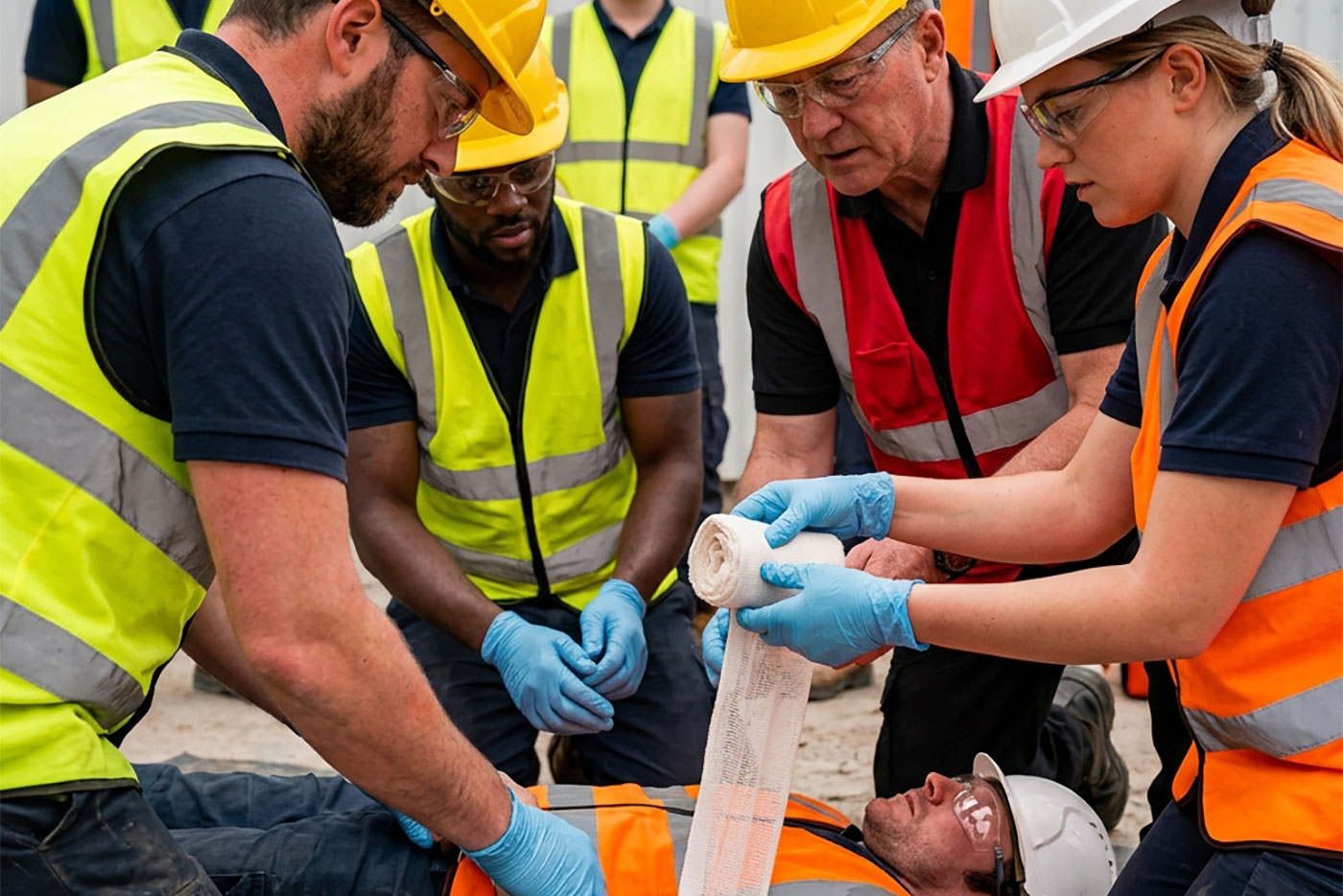
Solid winter safety Ontario habits go beyond individual preparedness. Always check local weather and wind chill warnings before heading outdoors, and treat severe cold warnings seriously by limiting time outside when possible. Employers with outdoor workers also carry specific responsibilities, including providing warm-up breaks, appropriate protective clothing, and first aid training suited to cold-weather risks.
What the Canadian Red Cross Recommends
The Canadian Red Cross has long emphasized that cold-related emergencies often happen in remote or outdoor settings where professional help may be delayed, meaning the actions of bystanders in the first few minutes genuinely shape the outcome. Their guidance consistently stresses early recognition, since hypothermia becomes more dangerous, and harder to treat, the longer it progresses without intervention. You can review their full winter safety guidance via the Canadian Red Cross cold-related emergencies
Build Real Winter Readiness
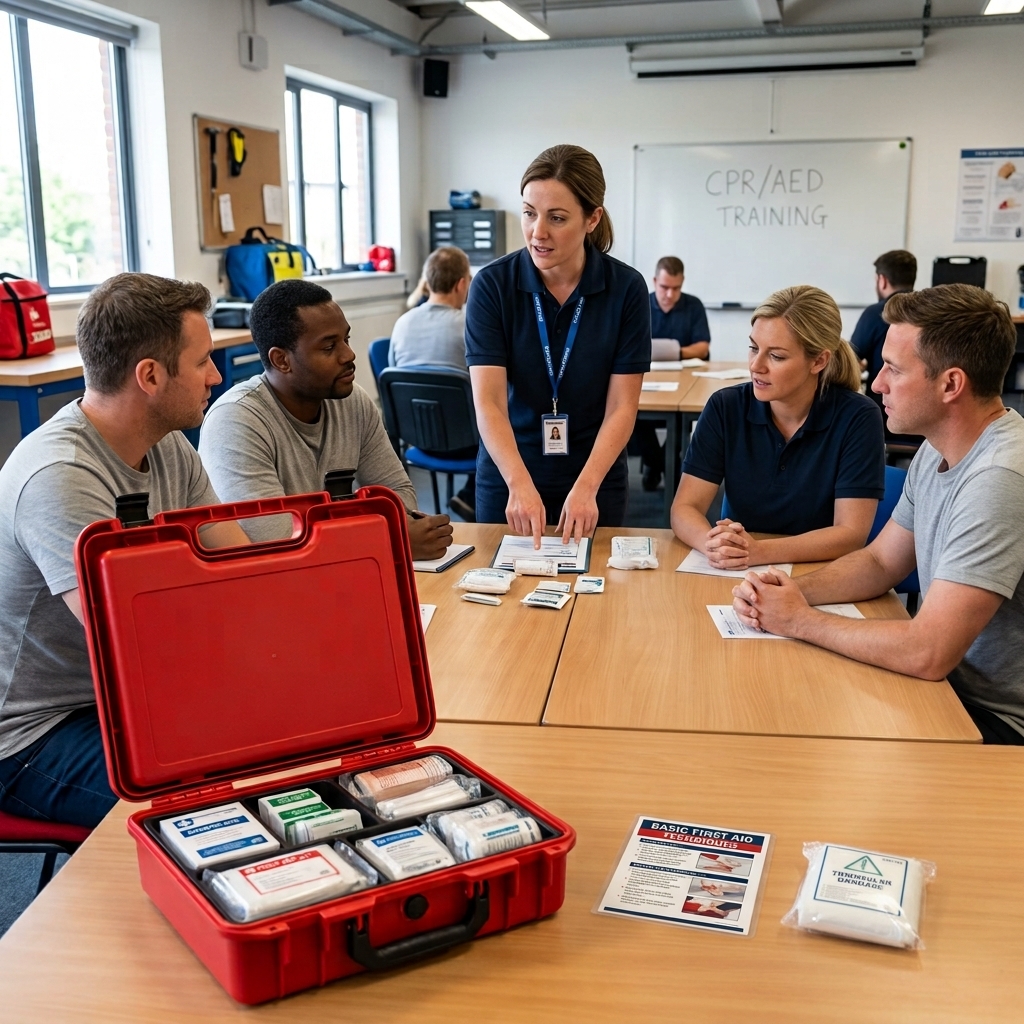
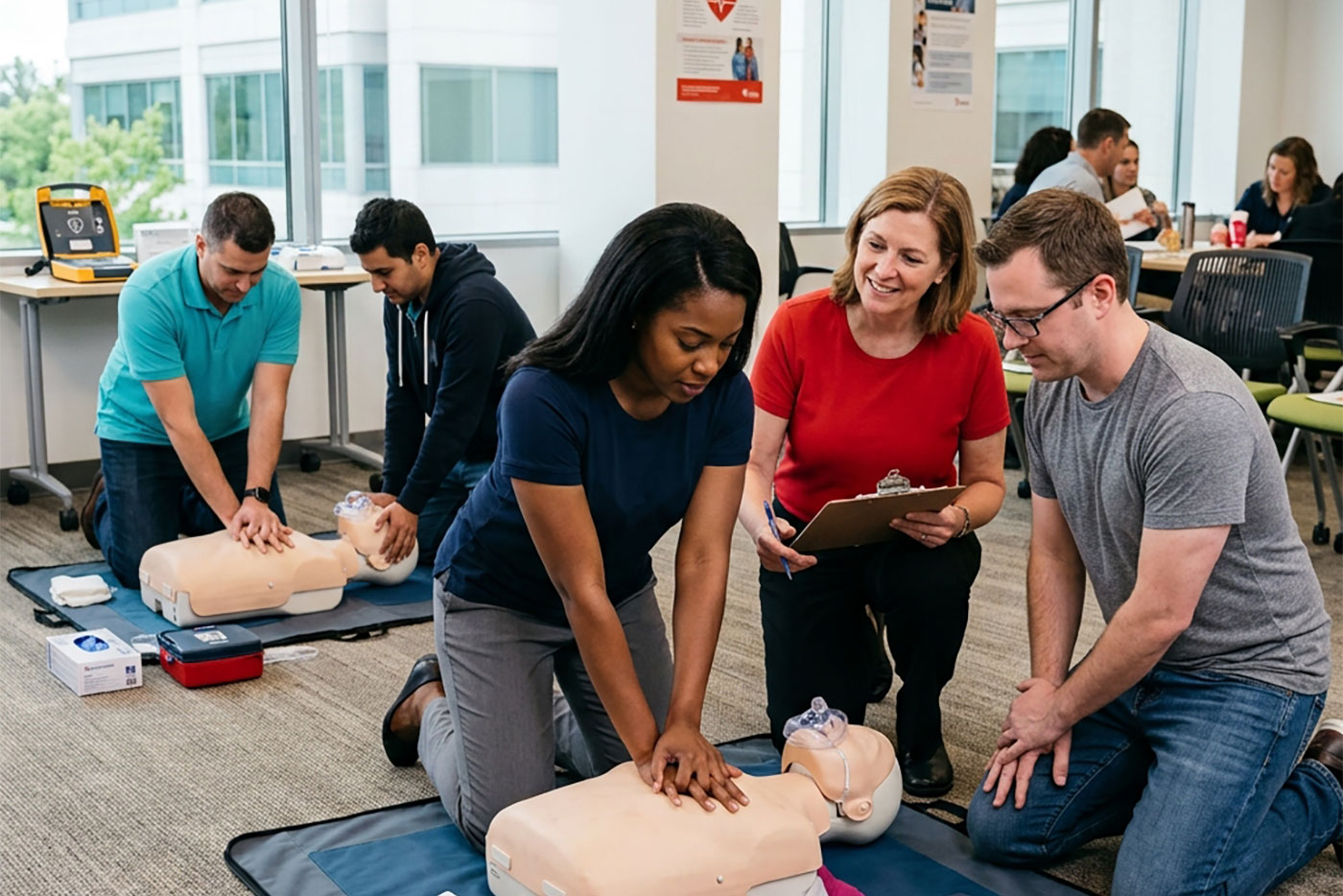
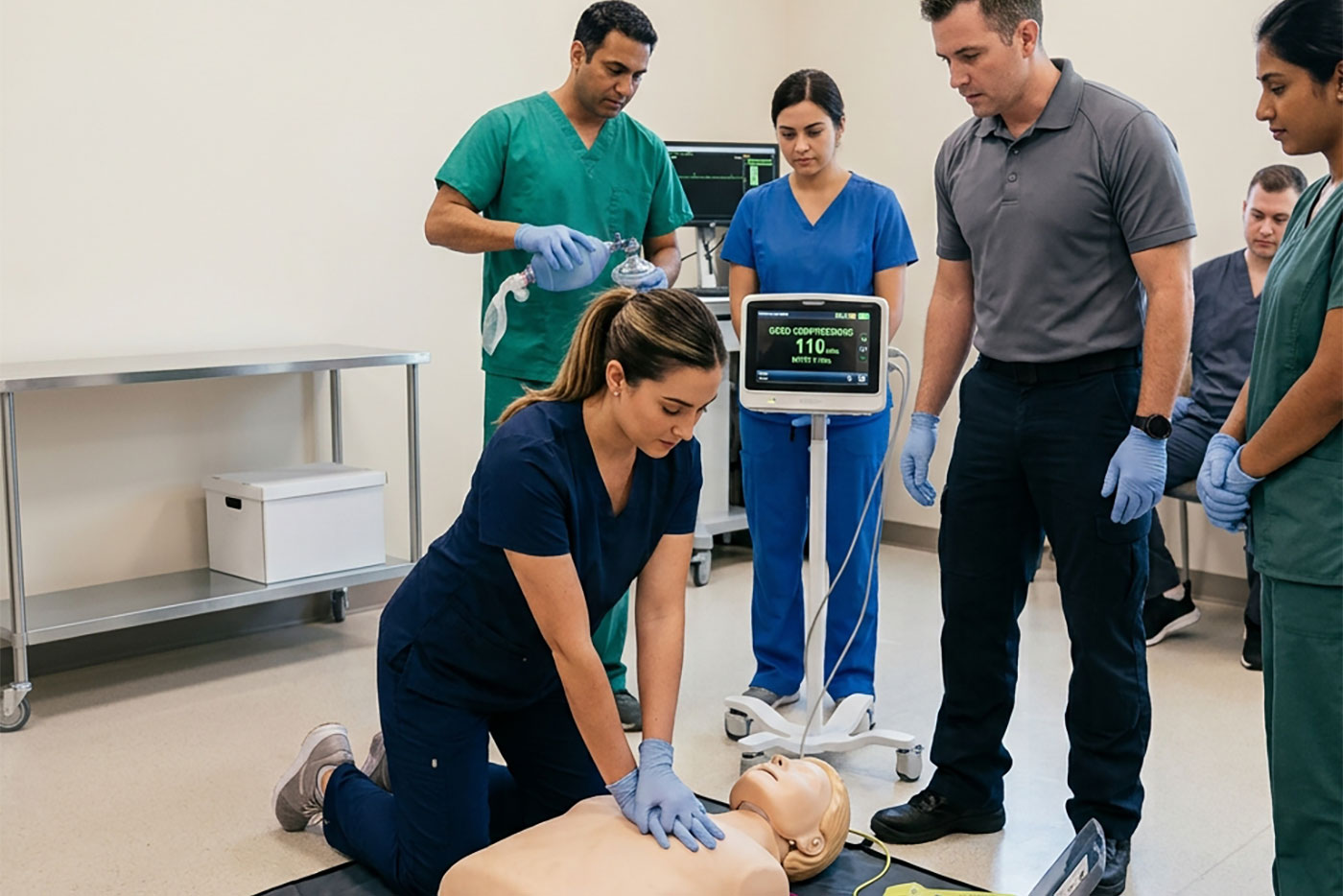
Reading through these tips is a solid start, but hands-on training builds the kind of confidence that actually holds up in a real cold-weather emergency. Canadian HSE, based in Kitchener, offers first aid and CPR certification that covers cold-related emergencies as part of a well-rounded, practical curriculum.
Ready to build real winter emergency skills? Explore training options with Canadian HSE in Kitchener, or contact us to find the right course for you or your team.