
If you’ve ever watched someone choke at a dinner table, seen a coworker collapse, or just wondered what you’d actually do in those first terrifying seconds of an emergency, you’ve probably thought about taking a first aid course. Maybe your workplace is asking for it. Maybe you’re a new parent. Maybe you just want to stop feeling helpless. Whatever brought you here, welcome. This guide will walk you through exactly what Canadian First Aid Training is, how it works, and what to expect if you’re starting from zero.
The Basics: What Canadian First Aid Training Actually Covers
Canadian First Aid Training is a system of programs that teach ordinary people how to respond to medical emergencies before professional help arrives, bridging the gap between “something bad just happened” and “the paramedics are here.”
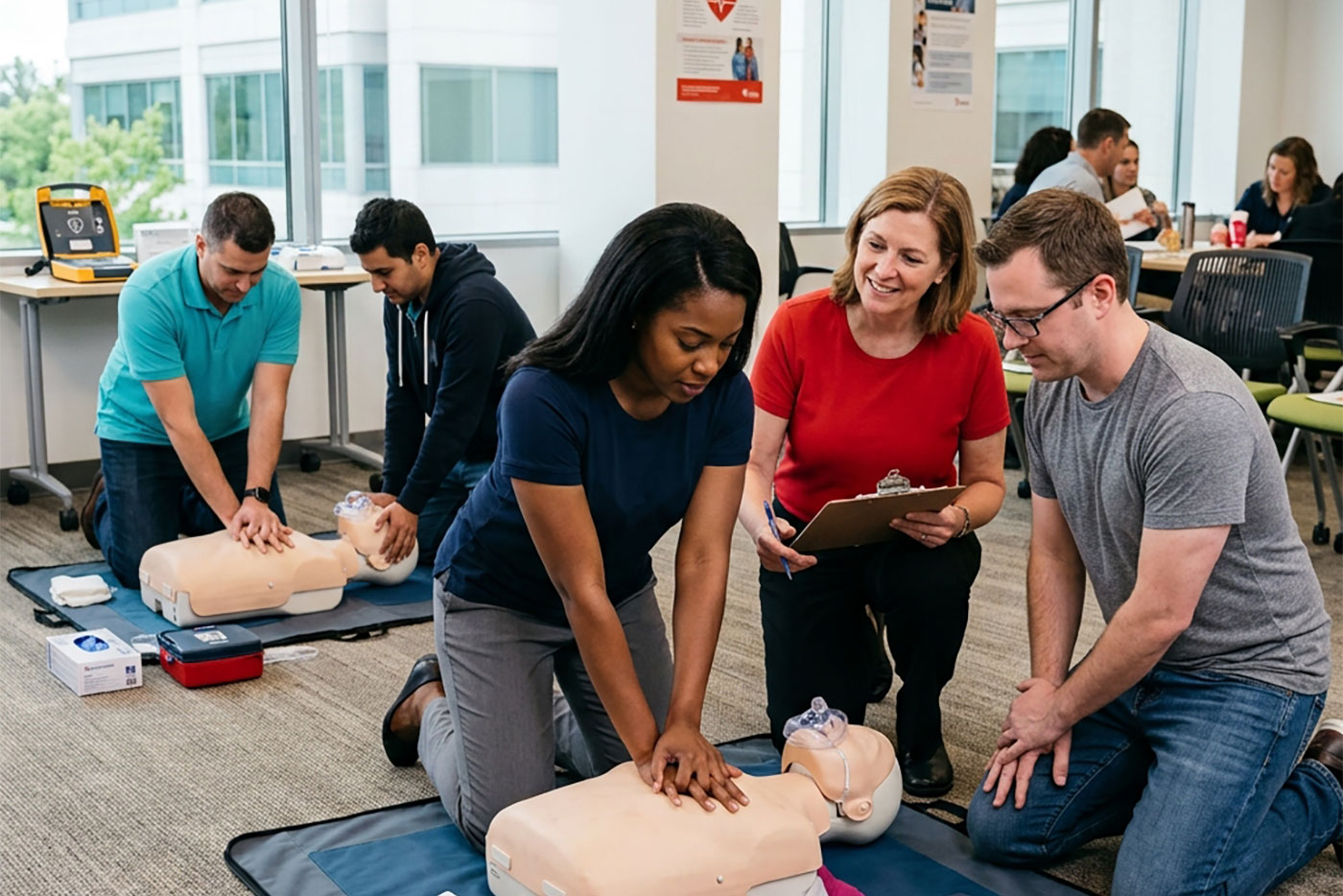
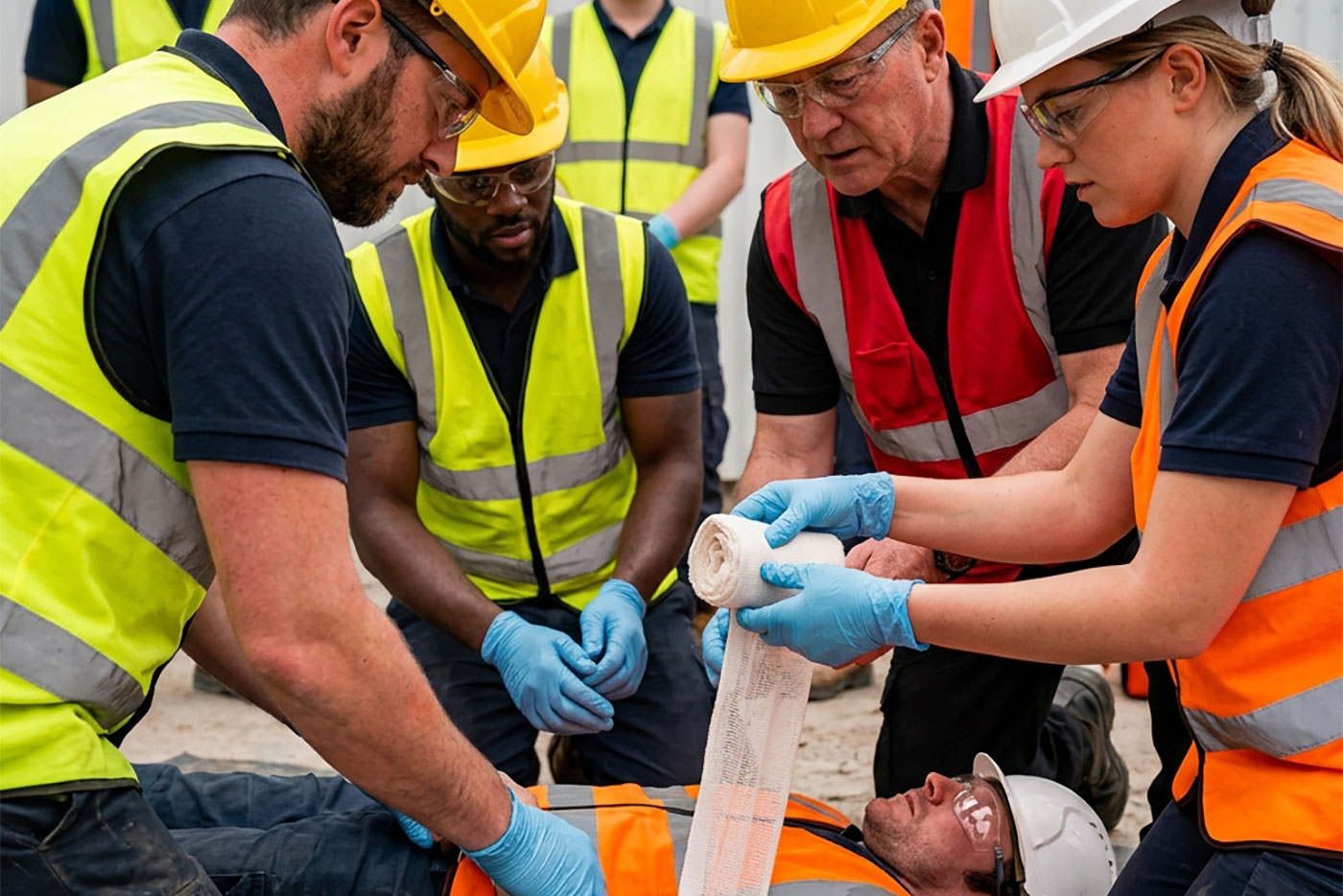
Most courses cover core skills like scene safety, CPR, AED use, wound and bleeding management, choking response, and handling burns, fractures, seizures, or allergic reactions, with some also including mental health first aid. Training is delivered through recognized organizations like the Canadian Red Cross, St. John Ambulance, and the Heart and Stroke Foundation. Provincial requirements vary slightly, but core skills stay consistent across providers since they follow national and international resuscitation guidelines.
Why This Matters More Than People Realize
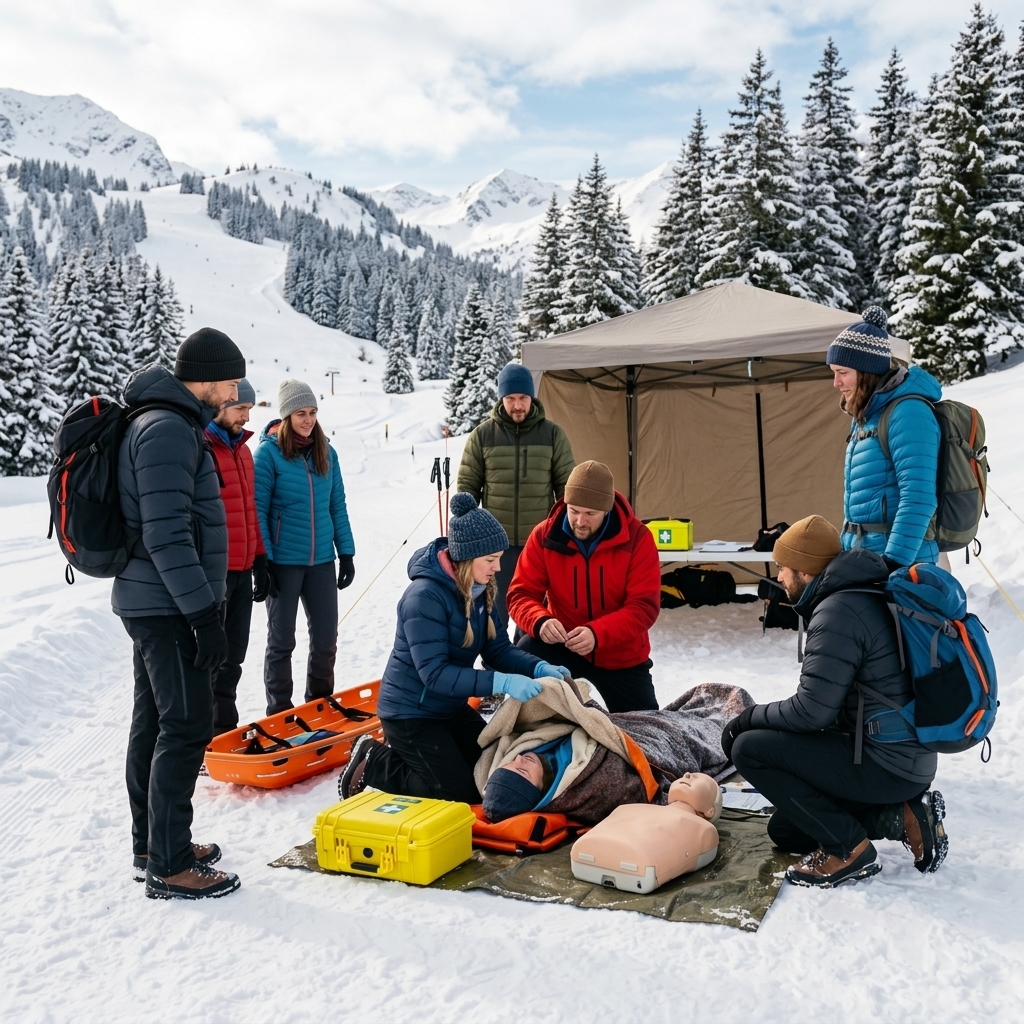
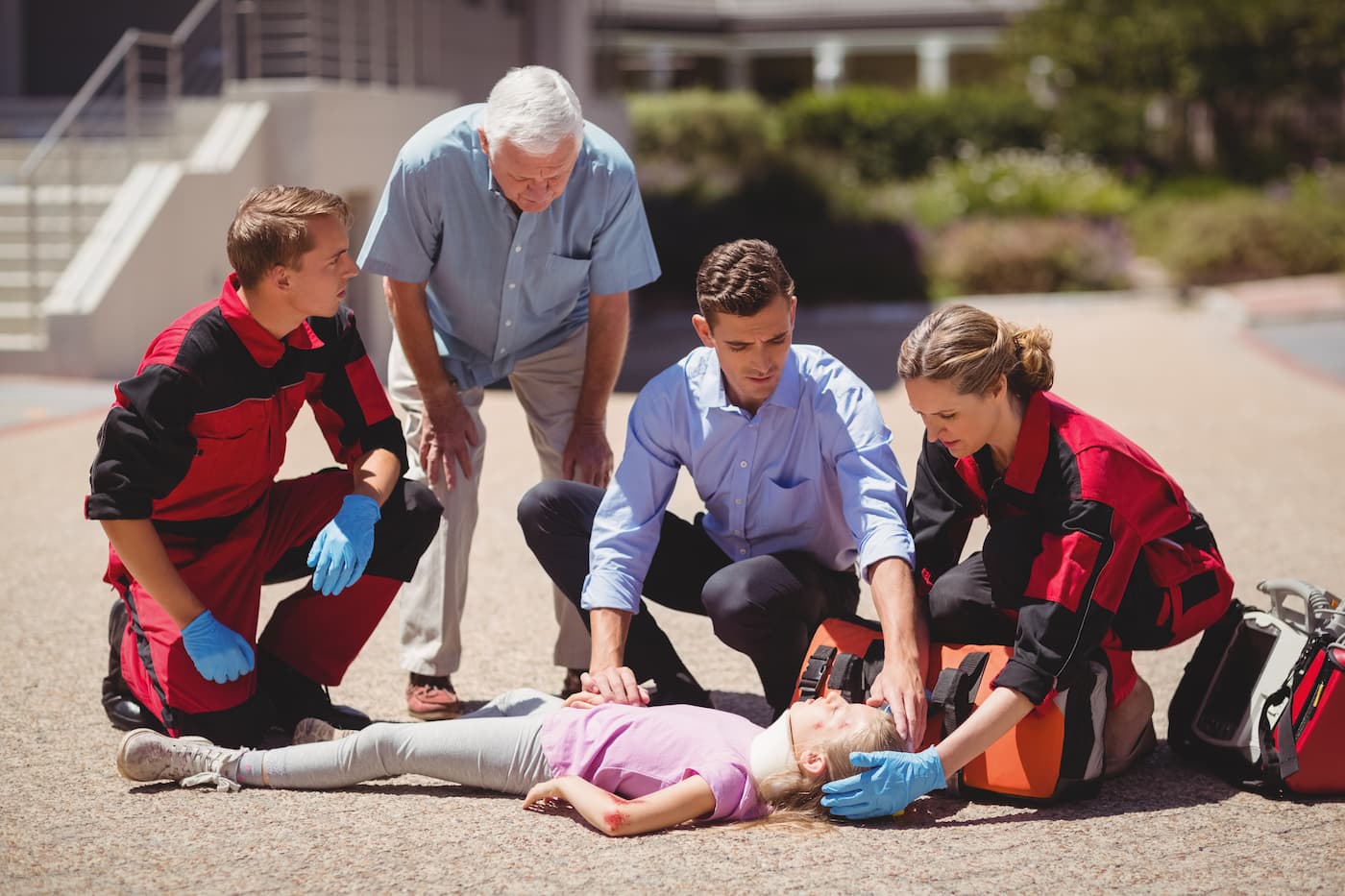
Most medical emergencies don’t happen in hospitals, they happen at home, at work, on a hiking trail, or in a parking lot. The people most likely to help in those first critical minutes are bystanders, not doctors. That’s the point of First Aid Training and Certification: it turns everyday people into capable first responders, even if just for a few minutes.
It’s also practical. Many Canadian workplaces are legally required to have a certain number of certified first aiders on-site, depending on industry and employee count. If you work in construction, education, healthcare-adjacent roles, or hospitality, your employer likely requires or strongly encourages this certification.
Canadian First Aid Certification Levels Explained
One of the most confusing parts for beginners is figuring out which level of certification they actually need. Here’s a simplified breakdown:
- Basic First Aid, the entry-level course. It’s shorter, usually one day, and covers the essentials:
- CPR
- AED use
- Basic emergency response
This is often enough for low-risk workplaces or personal peace of mind.
- Intermediate First Aid, the more comprehensive option, usually spanning two days. It covers everything in EFA plus more advanced topics like:
- Spinal injuries
- Secondary assessments
- Multi-casualty scenarios
This is the level most workplaces require, especially in higher-risk environments.
- CPR-only courses, a separate option for people who just want that specific skill. These come in different levels depending on your needs:
- Level A, adult CPR and AED
- Level B, adult, child, and infant CPR
- Level C, adult, child, and infant CPR plus two-rescuer scenarios
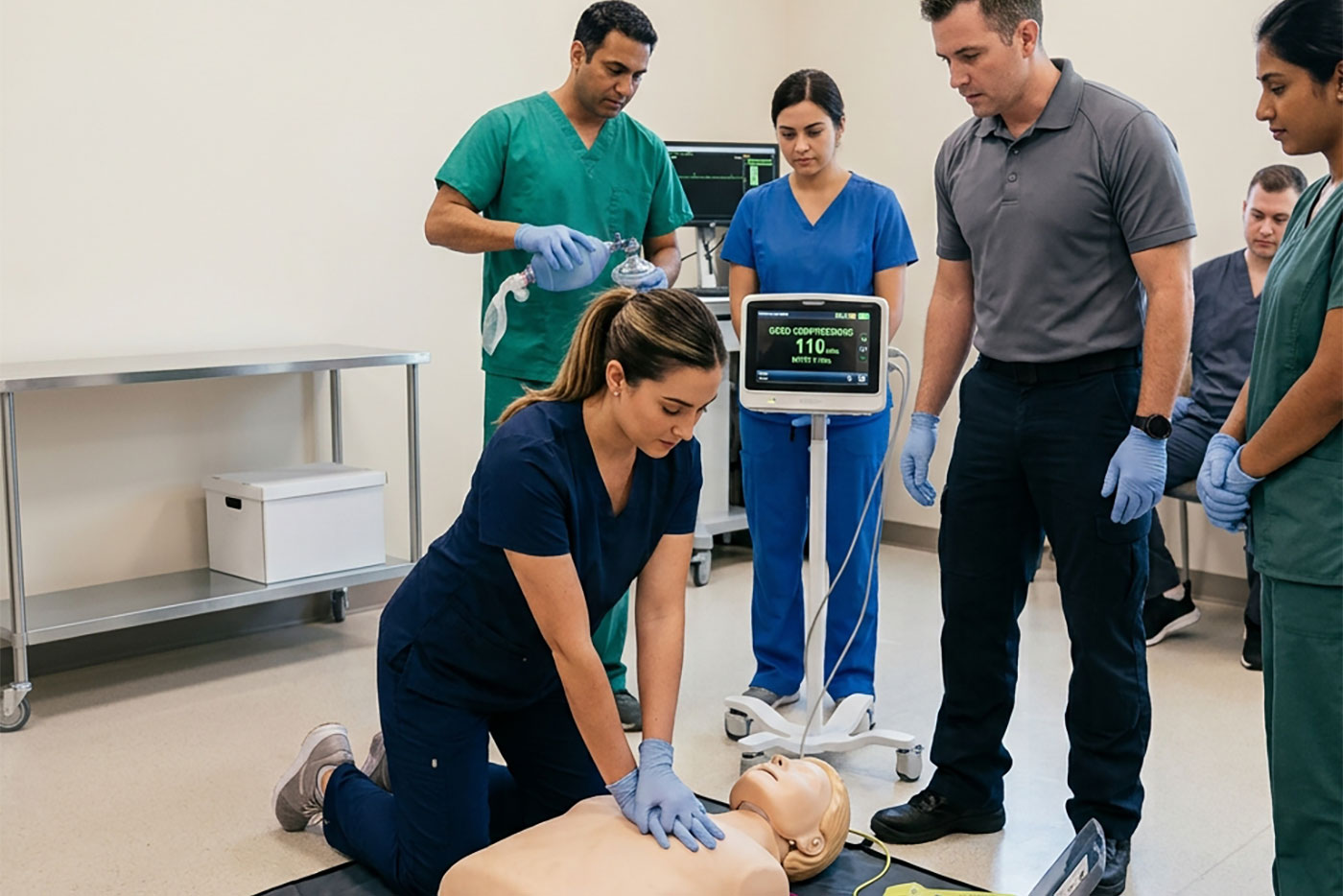
- HCP (Healthcare Provider) , for those training for a healthcare role
Certifications typically last three years before renewal is required, though this can vary slightly by provider.
Course Details and Costs You Should Expect in 2026
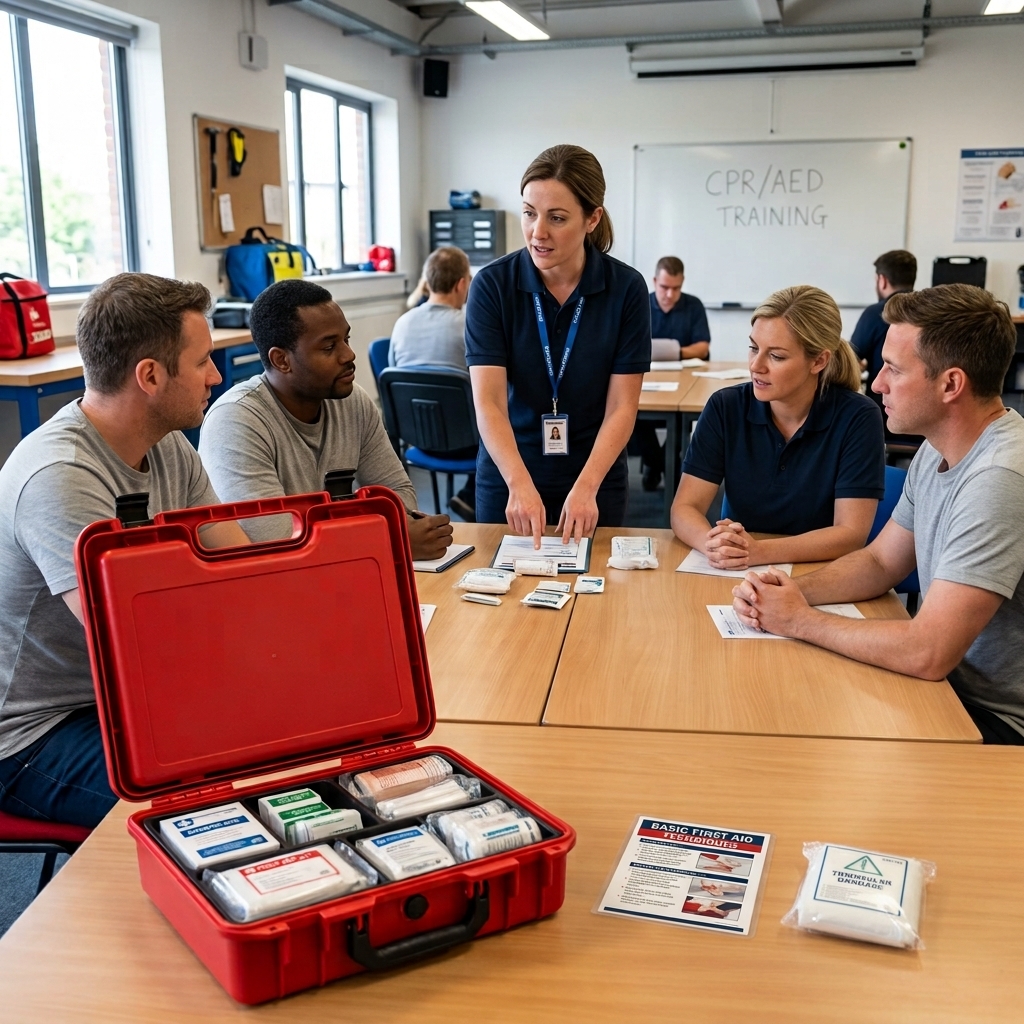
Pricing stays fairly stable but varies by province and provider. Courses are offered in-person or in blended formats, where you complete theory online and attend a shorter in-person session for hands-on skills testing. This has grown popular since regulators still require in-person evaluation of physical skills like chest compressions and bandaging.
What 2026 Certification Requirements Look Like
Requirements haven’t changed dramatically, but there’s growing emphasis on refresher training and workplace-specific customization, with many providers now offering sector-specific courses for construction sites, schools, or remote workplaces that add content relevant to that environment’s risks. If you’re certifying for employment, check with your employer or provincial regulator on which certification level and provider they recognize, since not all courses count equally for compliance.
Getting Started
If you’re a total beginner, the best first step is simply picking a recognized provider, checking your province’s requirements (if this is for work), and signing up for either an Emergency or Standard First Aid course with CanadianHSE based on your needs. It’s a short time commitment for a skill that genuinely could save someone’s life, possibly even your own. First aid isn’t about becoming a medical expert overnight. It’s about being the calm, capable person in the room when it matters most