
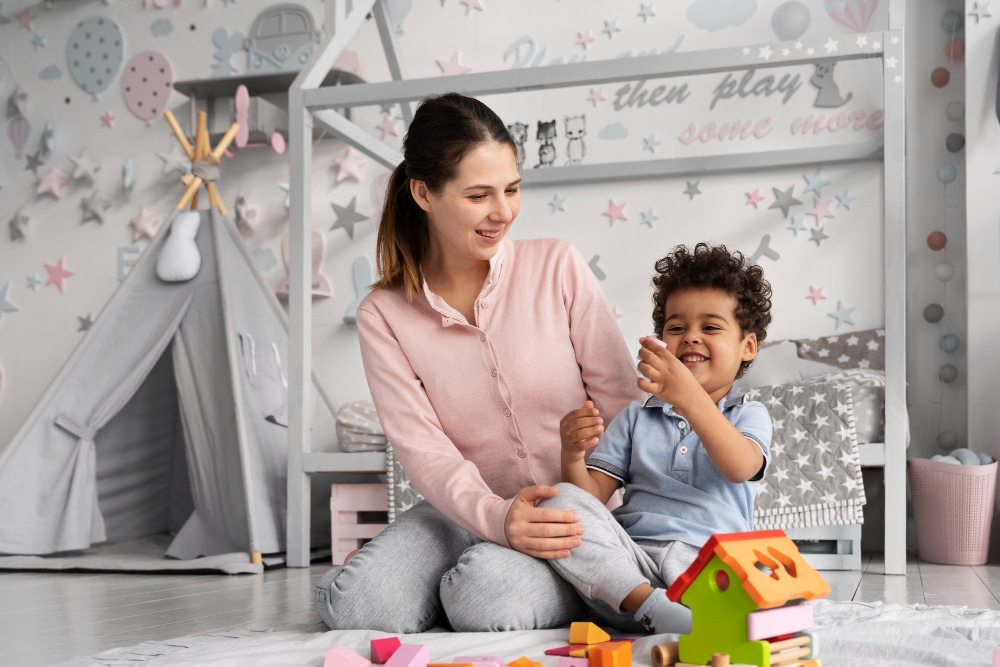
Babysitter courses are created to help beginners understand what babysitting really is all about. They teach the knowledge and responsibilities involved in childcare, so beginners in babysitting won’t feel confused or unprepared. And yes, many babysitter courses are created specifically for young learners, including students aged 11 to 16 years old.
Who Can Attend a Babysitter Course in Canada?
Babysitter courses for Canadians are usually designed for beginners, especially for young people who are getting ready for their first babysitting experience. In most cases, the target age group is: 11 to 16 years old. This is because it is at this age that students begin babysitter courses for their neighbors, relatives, or family friends. It is also a period when young people are learning about responsibility, communication, and independence. However, babysitter courses can also benefit:
- First-time babysitters of any age
- Older siblings who take care of younger brothers and sisters
- Teens who want to babysit professionally
- Parents who want to teach their children safety awareness
What a Babysitter Course Is Really About
A babysitting course is more than just playing with children or keeping them occupied.
It’s about learning how to:
- Safeguard children
- Abide by household rules
- Communicate with parents
- Deal with typical childcare scenarios
- Make informed decisions
The babysitter course training involved theoretical and also hands-on training.
What you’ll learn in a Beginner Babysitter Course
A good babysitter course will cover a range of topics from safety to childcare knowledge and professional conduct. Here’s what new babysitters can expect to learn.
- Understanding Your Role as a Babysitter
One of the first things that the course will teach you is what babysitting is all about. Many new babysitters think that babysitting is “just watching kids,” but it’s not.
You will learn:
- What is the role of babysitters is
- What you can and cannot do
- How to remain professional
- The importance of trust in childcare
- Basic Childcare and Child Development
Children act in different ways according to their age. A toddler does not think like a school-aged child, and a baby requires totally different care.
In a babysitter training, you will learn about:
- Children’s behavior according to their age
- Basic child development
- What do children need emotionally?
- How routines help children feel safe
This helps you handle children calmly and confidently.
- Safety Awareness (Indoors and Outdoors)
Safety is the number one reason why parents want their babysitters to be trained.
When you take a babysitting class, here are some things that you will be able to learn:
- How to identify potential dangers in a house
- Rules of safe supervision
- Indoor and outdoor safety awareness
This is particularly important for beginners between the ages of 11 and 16 years old because safety awareness helps to promote maturity.
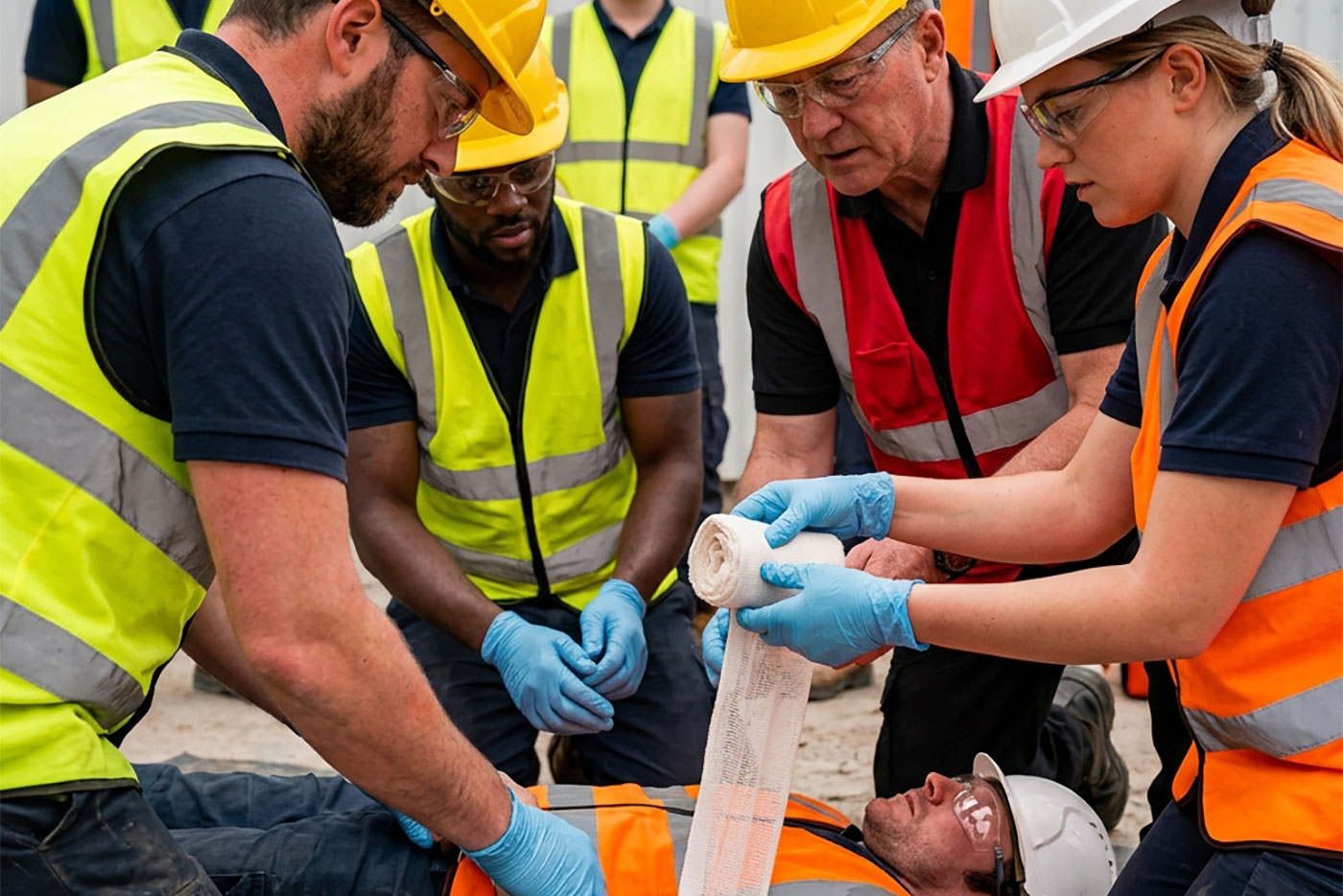
- Emergency Awareness (What to Do if Something Happens)
Babysitters are not expected to be doctors. However, they are expected to remain calm and seek help promptly if something goes wrong.
In an online babysitter course near me, from the UAE, you learn:
- What constitutes an emergency?
- Whom to call and when
- How to follow the emergency steps
- How to remain calm in a crisis
With the baby sitter course training you can remain responsible by knowing the right steps to take
- Health, Hygiene, and Basic Care Routines
Babysitting also involves daily care, such as meals, snacks, and basic cleanliness.
The topics that are usually covered in these courses include:
- Hand washing and basic hygiene
- Awareness of safe food handling
- Keeping children clean and comfortable
- Identifying when a child may be ill
These are basic skills, but they are extremely important in actual babysitting.
- Understanding Allergies and Safety Risks
Allergies are common among Canadian children, and parents are very concerned about them. Taking a babysitter course will help new babysitters understand why.
You will be able to learn:
- What allergies are
- Why is it so important to follow instructions
- How to recognize warning signs
- When to call parents right away
- Communication Skills (With Parents and Children)
Babysitting is not just about the kids, but also about communicating with parents like a pro. Lessons include:
- Asking questions before parents leave
- Following instructions correctly
- Informing parents if necessary
- Reporting what happened during the babysitting period
Good communication skills will help you gain more babysitting jobs because parents will trust you.
- Behavior Guidance and Managing Difficult Moments
Let’s face it kids won’t always cooperate. New babysitters are concerned about what to do if a child cries, won’t go to bed, or begins acting up.
A babysitter course will help you understand:
- Positive behavior management
- Establishing boundaries with respect
- Directing children in a calm manner
- Adhering to family rules
This is a tremendous confidence builder for new babysitters.
- Professionalism and Responsibility
Babysitting is a common first job. A course in babysitting teaches you professional skills that are valuable in life.
You will learn about:
- Being on time and reliable
- Respecting family privacy
- Using phones correctly
- Being trustworthy and honest
These skills will help you be the type of babysitter that parents want to hire again.
Conclusion: A Great First Step for Beginners (Especially Ages 11 to 16)
A beginner babysitter course is one of the best ways to begin babysitting in Canada. It is especially useful for new learners aged 11 to 16, as it helps teach them responsibility, safety, and professionalism from a young age.
Online babysitter courses contain the most important information that parents would like babysitters to possess. If you are a beginner babysitter and would like to feel confident and trusted, a babysitter course is a great place to start.