Babysitting is often seen as a simple job. Watching children while parents are out, but the work is, in fact, cloaked with serious responsibility. Children depend on babysitters not only for supervision, but also for safety, emotional support, and basic care. That is why babysitting today requires more than good intentions. It requires proper training. A babysitter course is designed to impart skills, knowledge, and confidence in individuals for responsible childcare. It transforms babysitting from a casual activity to a more organized and skill-oriented activity.
What Is a Babysitter Course?
Babysitter courses are a type of short-term instructional course in which one learns to handle children safely and responsibly care for children of different ages. In Canada, these courses are designed to meet real childcare expectations, not just basic supervision. The goal is simple: to prepare babysitters to keep children safe, healthy, and emotionally supported, while also knowing how to respond in emergencies.
Most Canadian babysitter courses are suitable for:
- Teenagers (usually 11–16 years old)
- Minimum age is 11
- New childcare providers
- Anyone who wants formal childcare training
The course combines practical childcare skills, safety knowledge, and confidence-building, which parents value deeply
What Does a Babysitter Course in Canada Teach?
This is where things get interesting. A babysitter course in Canada is far more comprehensive than people expect.
1. Child Safety and Supervision
You learn how to:
- Supervise children appropriately by age
- Keep children safe indoors and outdoors
- Identify potential hazards in homes and play areas
- Set boundaries and follow safety rules
This alone separates a trained babysitter from an untrained one.
2. First Aid and Emergency Response
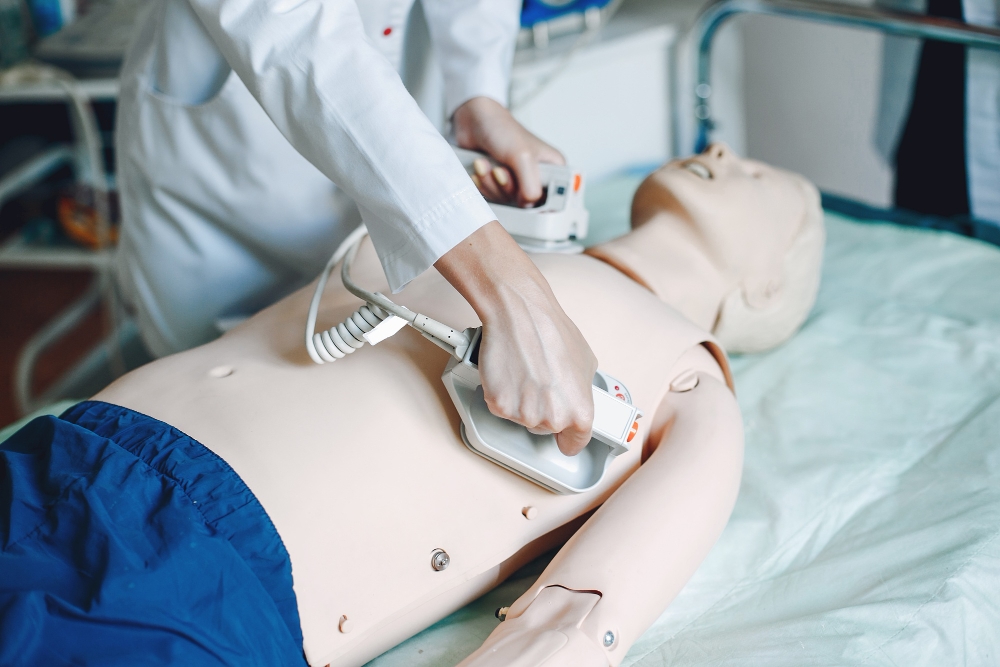
This is one of the most important reasons babysitter courses matter in Canada. Most courses include:
- Basic first aid
- Choking response for infants and children
- What to do in case of burns, cuts, or falls
- Emergency decision-making
- When and how to call emergency services (911 in Canada)
Parents want to know that if something goes wrong, the babysitter won’t panic.
3. Child Development Basics
Babysitters learn:
- How children behave at different ages
- Why toddlers act differently from school-age children
- Age-appropriate activities and play
- Emotional needs of children
This helps babysitters respond with understanding instead of frustration.
4. Feeding and Nutrition
In Canada, food allergies are taken very seriously. Courses teach:
- Safe food handling
- Awareness of allergies (like peanuts, dairy, gluten)
- Proper snack and meal preparation
- Following parents’ instructions closely
This knowledge protects both the child and the babysitter.
5. Behavior Management
Instead of yelling or punishment, babysitter courses teach:
- Positive discipline techniques
- Calm communication
- How to handle tantrums
- Conflict resolution between siblings
These are real-life skills babysitters use every day.
6. Responsibility and Professionalism
Babysitter courses in Canada also focus on:
- Trust and reliability
- Respecting family rules
- Professional behavior
- Communication with parents
- Understanding legal and ethical responsibilities
This helps babysitters be taken seriously
Why Is a Babysitter Course Important?
A babysitter course is important because it protects children, supports parents, and prepares babysitters to handle real responsibility.
1. Children’s Safety Comes First
Children are vulnerable and depend entirely on adults for protection. A trained babysitter understands:
- How to avoid accidents there
- How to respond in emergencies
- How to maintain a safe environment
This training significantly reduces the risk of injury or harm.
2. Parents Need Trust and Confidence
Parents want reassurance that their children are in capable hands. A babysitter course provides:
- Proof of training
- Evidence of responsibility
- Trust in the babysitter’s abilities
Certified babysitters are more likely to be trusted and rehired.
3. Babysitting Is a Serious Responsibility
- Caring for someone else’s child
- Taking Fast decisions
- Managing unexpected situations
A babysitter course prepares individuals mentally and emotionally for these responsibilities.
4. It Improves Employment Opportunities
Babysitters with training stand out. A babysitter course:
- Makes job applications stronger
- Increases chances of being hired
- Supports higher pay rates
- Leads to more regular work
Many families prefer trained babysitters over untrained ones.
5. It Builds Confidence and Decision-Making Skills
Training reduces uncertainty. Babysitters who complete a course:
- Feel confident handling children
- Stay calm under pressure
- Make better decisions
- Confidence improves performance and safety
Certification Without Practical Training: Does It Still Matter?
Yes, because certification shows:
- Completion of structured learning
- Awareness of childcare responsibilities
- Commitment to safety and professionalism
While practical training increases a person’s level of experience, knowledge is where a person starts in regard to safe behavior. Some childcare-related work requires theoretical knowledge before applying what is learned practically
Certification and Its Importance
Babysitter courses provide a certificate upon completion. This certificate:
- Verifies training and competence
- Enhance credibility in the professional
- Functions as proof of skills
Even if babysitting is not formal, becoming certified can make it professionalized and reliable
Online Babysitter Courses in Canada
Many babysitter courses in Canada are offered online and do not include practical training. These courses:
- Are flexible and accessible
- Focus on theory and awareness
- Suit busy schedules
- Provide certificates upon completion
Online courses are often the first step before advanced or in-person training.
Long-Term Benefits of a Babysitter Course
Even without practical practice, a babysitter course builds valuable life skills, including:
- Responsibility
- Risk awareness
- Communication
- Emotional intelligence
- Confidence
These skills remain useful in education, work, and everyday life
A Babysitter Will Be Able to Summarize Indoor and Outdoor Security and Safety
Being a babysitter is a job that involves much more than just sitting with children. The babysitter is entrusted with taking care of another person’s child in terms of its safety and security, both inside and outside the premises. The comprehension and explanation of security and safety, both inside and outside, are one of the most significant elements a babysitter should possess in their expertise. Children are naturally curious and active. Even a familiar area can become dangerous if a child does not have safety awareness.
Final Thoughts:
Babysitting Course Engages babysitting as a noble activity by teaching it as a respected profession. The course helps individuals gain skills on how to handle children safely, during emergencies, or when communicating with parents. Babysitting encompasses not only child monitoring but also child protection, direction, and support. A babysitting course can ensure that child safeguarding and protection are not ignored or overlooked. Any individual involved in caring for children, whether on a part-time or full-time basis, who undertakes a babysitter course is, therefore, not only helpful but imperative.